Each week, we’ll be helping you to get to know our winners better (what a great bunch they are) and highlighting the best of their work, interviews and essays.
We’ve dedicated this week to all things concerning Kamila Shamsie, 2010 winner for fiction. Check out this video in which she discusses having a cosmopolitan with one of Shakespeare’s characters, the one book she just doesn’t “get,” and her biggest annoyance about book critics.
Each Friday we’ll be bringing you news about your favorite authors, literature and books in general. Tell us what you think in the comments:
Sweet Blackberry, founded by actress Karyn Parsons, is an educational foundation and production company whose mission is to use the power of storytelling to educate, empower, and inspire kids from all backgrounds. The organization showcases stories of African Americans, immigrants, women or disabled individuals to highlight their courage and accomplishments. This trailer is a behind-the-scenes look at their mission, their process and their goals.
Tri-C student Brian Ivey interviewed Isabel Wilkerson after her February talk on campus. Check out the video and hear about her connection to her work, The Warmth of Other Suns, and why she felt an “urgency” to complete the project.
Jill Lepore doesn’t think so. As part of a series of discussions sponsored by the Center for Civil Discourse at the University of Massachusetts, the 2006 Anisfield-Wolf winner shares her thoughts on whether our society is more or less civil than any other period in society.
We find the most fascinating things by following our favorite authors on Facebook and Twitter. 2011 winner Isabel Wilkerson shared this gem with us and we’re happy to share it with you.
Wilkerson wrote:
So cool. A composer and a violinist are creating a classical work of music based on “The Warmth of Other Suns.” Gratified that the story of the Migration is crossing boundaries and inspiring unexpected art forms. Kudos to Leaha Villarreal and Andie Springer for embracing this book in their work!
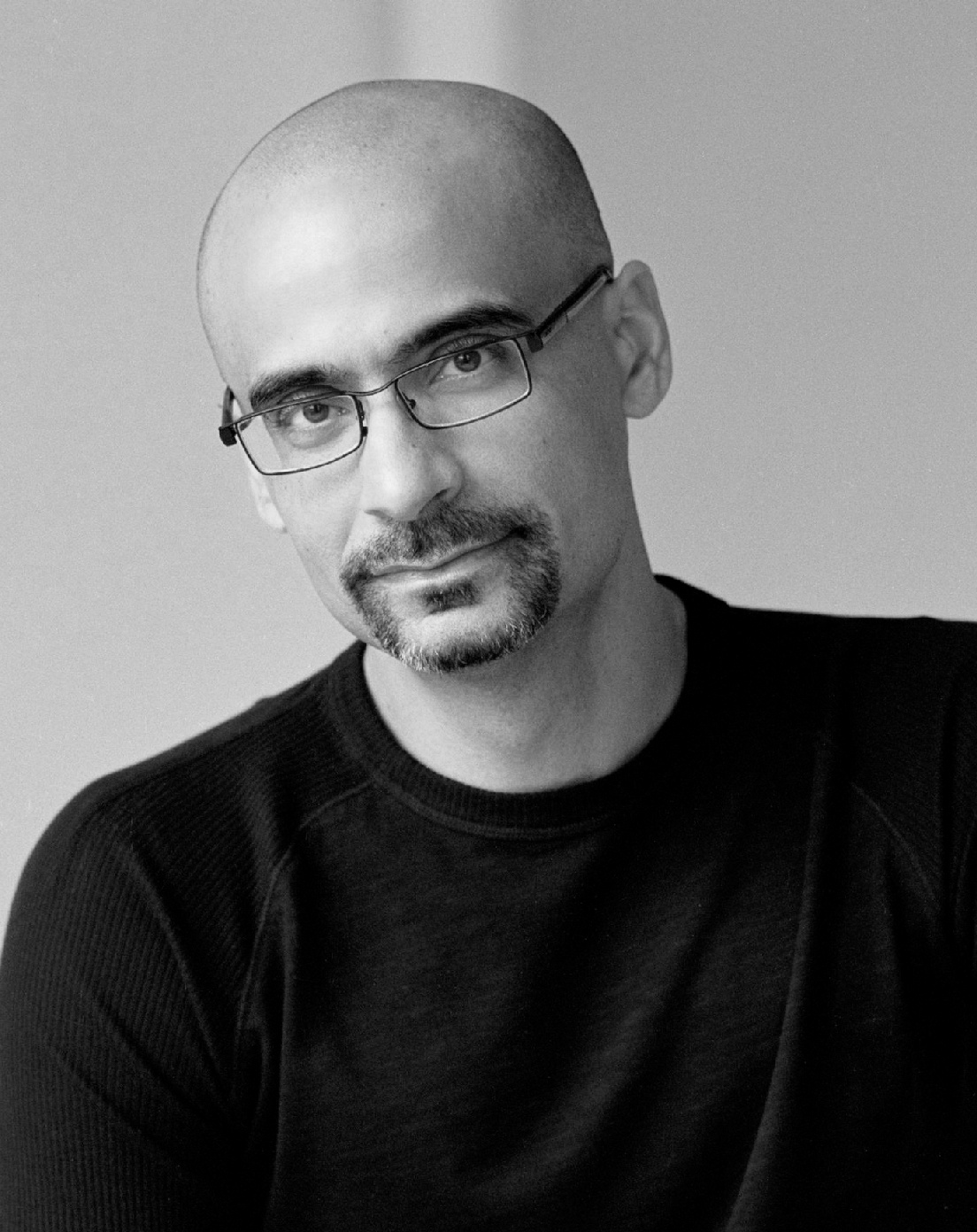
Junot Diaz’s short story collection This Is How You Lose Her will be published in September. It’s Diaz’s first book since his 2007 debut novel The Brief Wondrous Life of Oscar Wao, which, in addition to the 2008 Anisfield-Wolf award for fiction, won the Pulitzer Prize for Fiction and National Book Critics Circle Award. {New York Times}
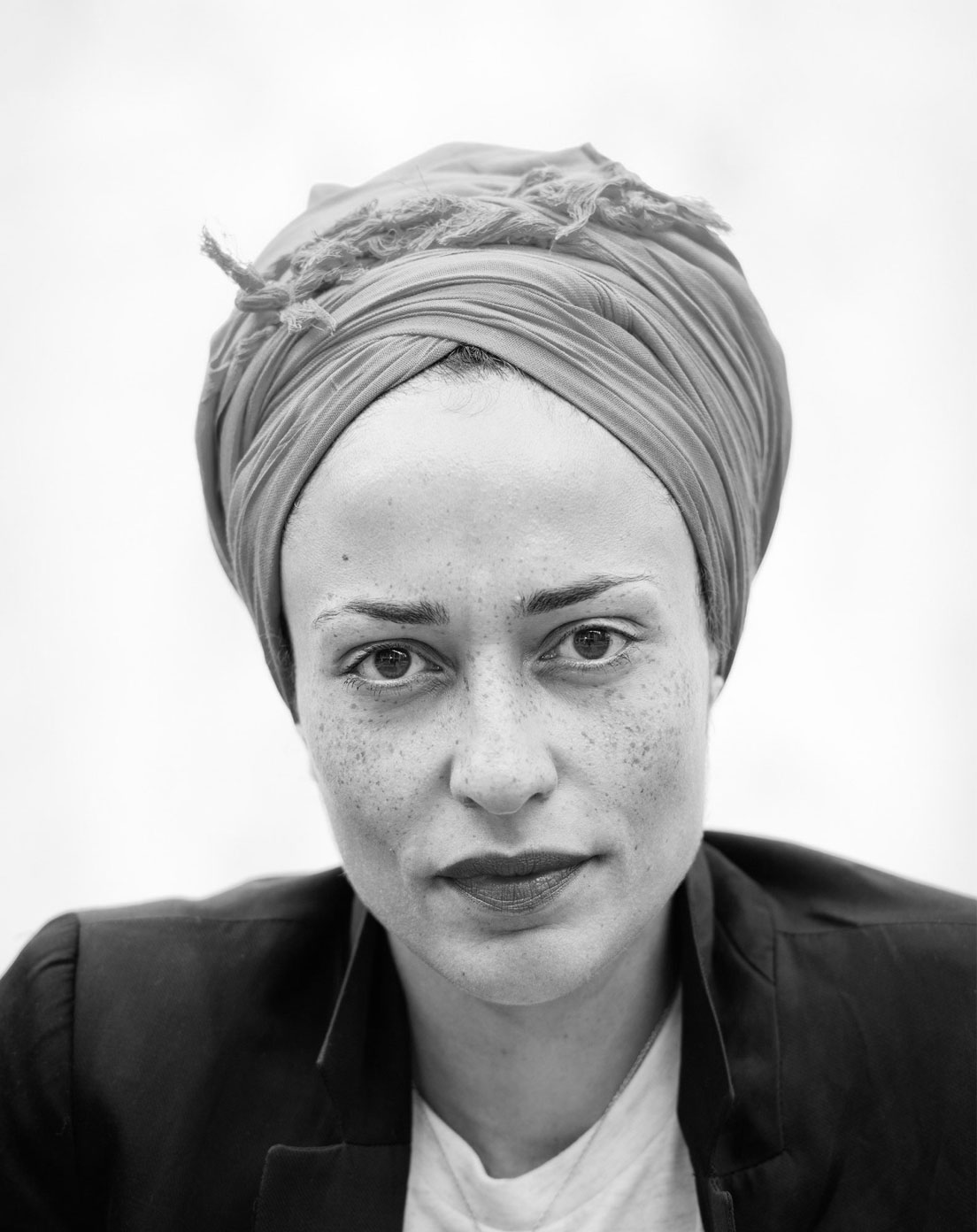
It hasn’t been officially confirmed but the rumor mill is buzzing that Zadie Smith’s latest book will be released in September. No doubt fans of White Teeth and On Beauty are waiting anxiously. {Sarah Weinman}
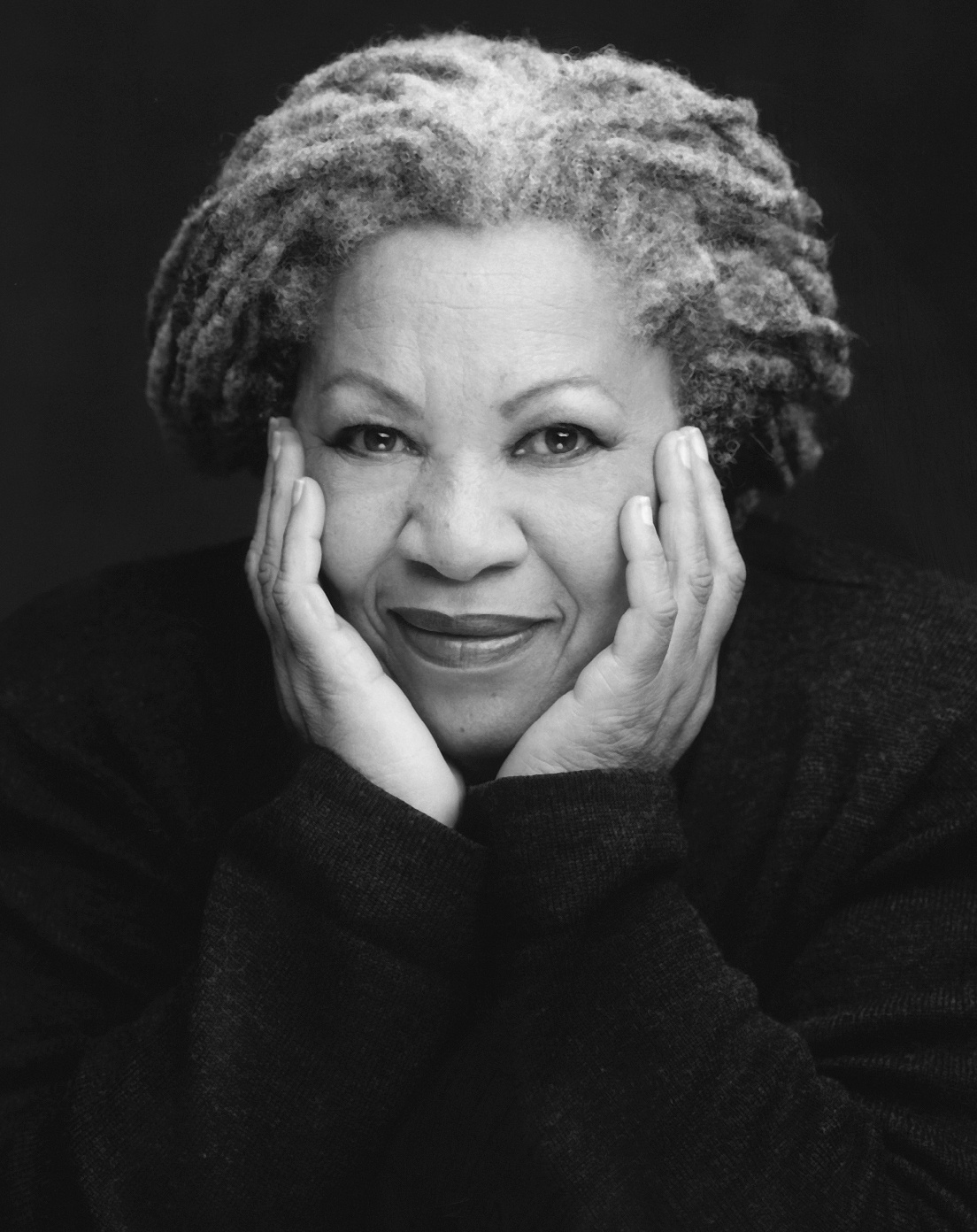
Toni Morrison’s 10th novel, Home, will be released May 8. It follows an African American Korean war veteran who returns to his Georgia community a changed man. {L.A. Times}
We’ve been in a real August Wilson mood around here lately and with good reason. Residents of Northeast Ohio (our neck of the woods) will have the chance to see five of Wilson’s plays from his Pittsburgh Cycle, his ten-play cycle on the Black experience in the 20th century.
Take a listen to this Around Noon podcast on Wilson’s work and get your tickets today.
The website and corresponding book, “The Top Ten,” tackles that very question, asking celebrated writers to list their favorite 10 books. It’s so simple yet incredibly fascinating to see which authors select which books and what genres they love.
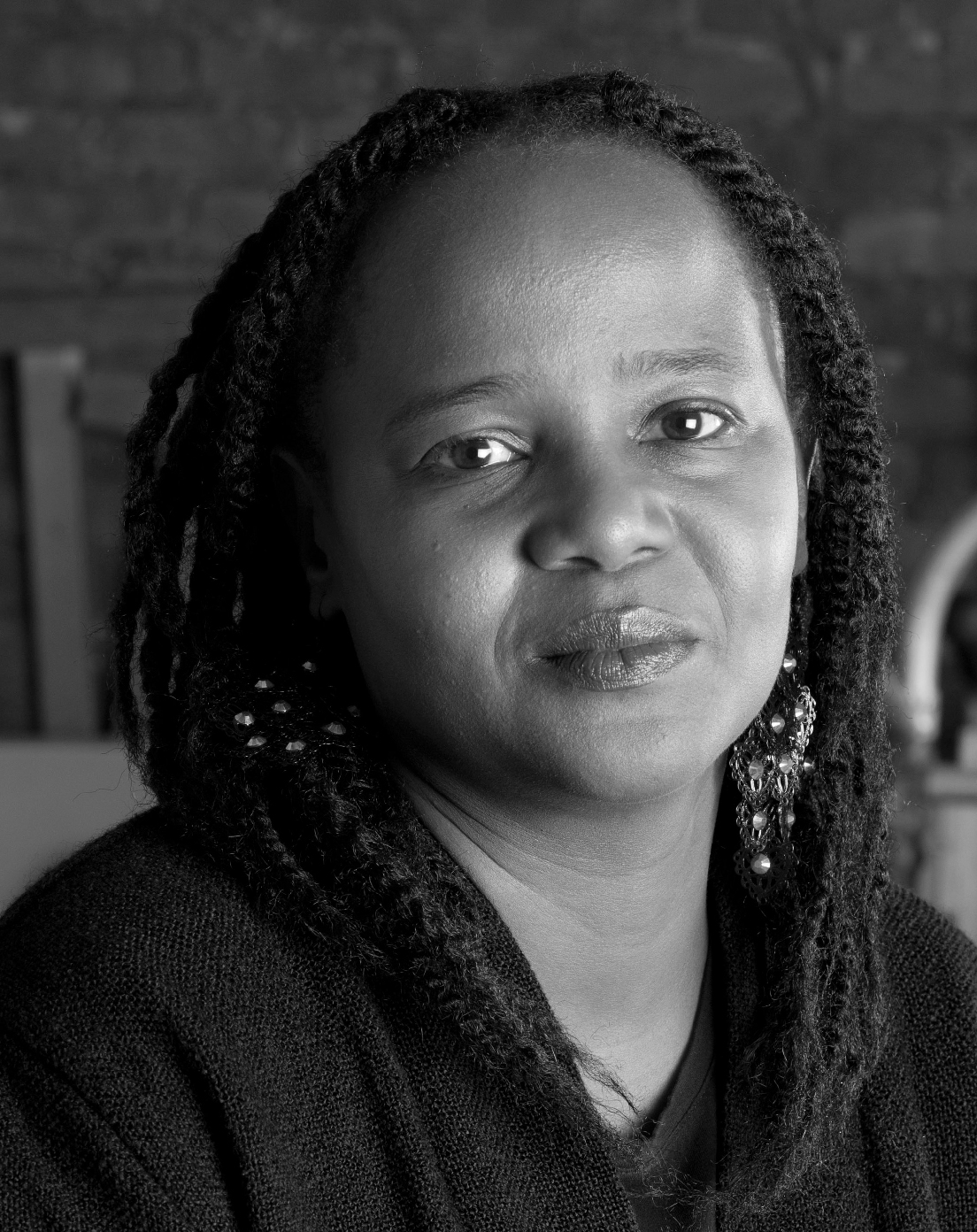
A few of our own Anisfield-Wolf authors have been featured on the site—Joyce Carol Oates and Edwidge Danticat. Check out their picks below:
Top Ten List for Edwidge Danticat
Their Eyes Were Watching God by Zora Neale Hurston
The Stranger by Albert Camus
Germinal by Emile Zola
Invisible Man by Ralph Ellison
One Hundred Years of Solitude by Gabriel GarcÃa Márquez
Beloved by Toni Morrison
Night by Elie Wiesel
The Color Purple by Alice Walker
The Trial by Franz Kafka
Masters of the Dew by Jacques Roumain
Top Ten List for Joyce Carol Oates
Crime and Punishment by Fyodor Dostoevsky
Ulysses by James Joyce
The Sound and the Fury by William Faulkner
The Poems of Emily Dickinson by Emily Dickinson
The Stories of Franz Kafka by Franz Kafka
The Red and the Black by Stendhal
The Rainbow by D.H. Lawrence
Women in Love by D.H. Lawrence
Moby-Dick by Herman Melville
Adventures of Huckleberry Finn by Mark Twain
Are any of these books on your top 10 list? Share your favorites in the comments below!
Each Friday we’ll be bringing you news about your favorite authors, literature and books in general. Check out the first installment and tell us what you think in the comments:
Isabel Wilkerson (2011 winner) was on PBS Newshour to discuss the groundbreaking of the Smithsonian’s African-American History Museum. See her part at the 4:00 minute mark.
Our friends over at Book Riot have declared May 8 “Toni Morrison Day” based off the release date of Ms. Morrison’s (1998 winner) newest book, Home. One of their writers will be re-reading her entire catalog and will be blogging about the experience.
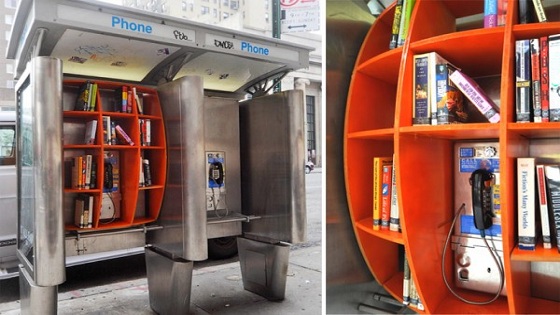
New York has tons of payphones but its residents also have millions of cell phones. To make them more useful, architect John Locke has fashioned these bookshelves to repurpose the structures into free-standing mini libraries.
In this interview, 2005 Lifetime Achievement Award winner August Wilson gives his opinion on everything from African-Americans visiting to Africa to whether the Cosby Show was realistic for its time. There aren’t many interviews with Wilson available, so we hope you take some time to listen to his passionate views on race and culture. Let it spark a conversation today.
Here at Anisfield-Wolf, we appreciate great dialogue about literature that helps us make sense of the world we live in. How would the world be different if Zadie Smith never sat down to write? If Beloved never escaped from Toni Morrison’s fingers? If we were never able to explore changes in our society through works like The Reluctant Fundamentalist? These authors have spent considerable time trying to explore what it means to be black, white, Australian, Pakistani, Jamaican, etc., and how they are able to move in the world because of it.
We hope to extend the conversations they have started. There’s a number of places to do that.
Right here on the blog we hope to give you quick updates on what’s happening in the world of Anisfield-Wolf award winners, both past and present. We’re fortunate to have such a rich canon of work to pore through and examine and discuss.
We’re also active on Facebook and Twitter, where we keep an ongoing discussion about new books, the “old” books you can’t put down, and the literature that has fundamentally changed your life.
We’d love for you to join our mailing list. Please e-mail us at Hello@Anisfield-Wolf.org to receive news and updates about the Anisfield-Wolf Book Awards.
Watch Anisfield-Wolf jury member Rita Dove get presented with the 2011 National Medal of Arts by President Barack Obama and Kwame Anthony Appiah be presented with the 2011 National Medal of Humanities.
Oberlin College will host 1988 Anisfield-Wolf award winner Toni Morrison in an intimate event on Wednesday, March 14 at 7:30. The Nobel-prize winning author will read from her upcoming novel, Home, as well as participate in a question-and-answer session. The public can request tickets by sending a self-addressed stamped envelope along with your request to:
Central Ticket Service
Hall Auditorium
67 N. Main St.
Oberlin, OH 44074
If you have the opportunity to go, we highly recommend you take the time to see Ms. Morrison in person. In the meantime, check out this reading Toni Morrison delivered in late 2011, at George Washington University:
Today, President Obama will present the 2011 National Medal of Arts to distinguished Anisfield-Wolf jury member Rita Dove. Ms. Dove will be honored for her contributions to American poetry.
Ms. Dove creates works that are equal parts beauty, lyricism, critique, and politics. Ms. Dove has worked to create popular interest in the literary arts, serving as the United States’ youngest Poet Laureate and advocating on behalf of the diversity and vitality of American poetry and literature.
She has also won the National Humanities Medal, also being awarded today, becoming only the third person to have the honor of both medals. We send up a hearty round of congratulations to Ms. Dove!
Black History Month is but one period out of the year where we focus on the accomplishments and contributions of those of the African Diaspora. We believe that the world is a richer place when we celebrate our rich cultural diversity, as evidenced by our dedication to selecting books that contribute to the dialogue. It’s hard for us to select our favorite books out of the Anisfield-Wolf library, so instead we will choose books that give great insight into the triumphs and challenges of African Americans. Share this list with your colleagues, friends, children and neighbors.
Tell us – which of these books have you already read? Which would you recommend?
Being able to communicate directly with your favorite writers and authors is probably one of the best uses of Twitter. Here, we’ve rounded up some Anisfield-Wolf winners you can find tweeting and answering questions from their readers. Click on the tweets to see their full profiles.
A recent New York Times article examines the relationship between readers and authors in the social media landscape. Previously, the divide was rather clear: authors write the books and readers gobble them up. There wasn’t much mingling besides the occasional book signing or speaking engagement.
But now with the social atmosphere cultivated by Web 2.0 tools like Facebook and Twitter, readers can interact with their favorite authors like never before, and authors can have a more direct involvement in the marketing of their books. Moreover, authors can get feedback that is more personal than an Amazon.com review or an anonymous post on a message board.
When they use social media, authors have as many personae to choose from as they do in their other writings. Some strike poses that effectively increase the distance between them and their readers, foiling voyeurs. Gary Shteyngart (4,187 followers), whose first tweet was posted on Dec. 1, is charming yet enigmatic (“grandma always said to me, ‘boytchik, do not start a meth lab.’ but i guess i had to learn the hard way”), and often writes in the voice of his dog (“woof!”). When I asked if he enjoys interacting with readers on Twitter, Shteyngart responded: “There are so many clever people out there. I love each one of them. Many times I laugh with them.” Humor is common and welcome in authorial tweets. One of Twitter’s funniest is Mat Johnson (39,712 followers), who told me he consciously becomes “Mat Johnson, author and humorist,” on Twitter. (“Teenagers hanging out at a playground, laughing to each other at how ironic they’re being. I want that made illegal.”)
Joyce Carol Oates, celebrated author and National Book Award winner, will receive Oregon State University’s inaugural Stone Award for Lifetime Literary Achievement in May.
The biennial award is given to a major American author who has created a body of critically acclaimed work and who has – in the tradition of creative writing at OSU – been a dedicated mentor to young writers. The honorarium for the award is $20,000, making the new Stone Prize one of the most substantial awards for lifetime literary achievement offered by any university in the country.
The award will be presented to Oates at a special event at on Thursday, May 10, at thePortland Art Museum Fields Ballroom beginning at 7:30 p.m. OSU Distinguished Professor of English Tracy Daugherty will conduct an on-stage interview with Oates. A reception and book signing will follow. Tickets are available at:https://pam.spotlightboxoffice.com/purchase/step4?ticketID=63600
“Joyce Carol Oates is that rare literary figure who, over the course of an extraordinarily productive literary career, has also given generous attention and energy to young writers,” said Marjorie Sandor, director of the Master of Fine Arts Program in Creative Writing at OSU. “Unflagging in her support for literary magazines and presses, she has enriched and enlivened our nation’s cultural life.”
Please join us in congratulating Joyce on this terrific accomplishment!
2011 Anisfield-Wolf winner Kamila Shamsie reflects on the availability of literature through the world’s public libraries—and what that means for future generations:
“A couple of years ago, after a reading in Karachi, I told off a young man who was asking me to sign a pirated copy of one of my books. Piracy is destroying publishing in Pakistan, I told him. He said he understood but added that because pirated books are cheaper he could buy more of them. It’s not as if Karachi is filled with public libraries, he said.”
Shamsie goes on to discuss the rising crisis in London, where 10 percent of all libraries have closed since April 2011. Read the full article here. A commenter on the article added:
“Libraries are important not just for the poor. They work for all of us and not only for books or computers. During this financial crisis we are living in, more people is going to the library to learn something new, to attend a free lecture, to polish his/her resume, to enjoy music from all over the world. Libraries are making everything they can to adapt their services to a new the technology not to mention how they help the new immigrant population. We have the moral obligation to protect, preserve and increase the public libraries.”
How often do you visit your town’s public library? Do they serve an important purpose in today’s society, even as technology expands our access to literature?
Meet Mary Helen Stefaniak, author of The Cailiffs of Baghdad, Georgia. When new teacher, Miss Grace Spivey, arrives and turns the annual festival into an exotic Baghdad Bazaar, the town is thrown into an uproar.
Although her progressive spirit proves threatening to some, Miss Spivey succeeds in pushing the limitations of stereotypes and inspiring change.
The Cailiffs of Baghdad, Georgia was the winner of a 2011 Anisfield-Wolf Book Award for Fiction.
Books will be available for purchase and signing courtest of the Friends of the Bay Village Library and Mac’s Books – Books on Coventry. Registration is required. To register, visit cuyahogalibrary.org or call 440.871.6392.