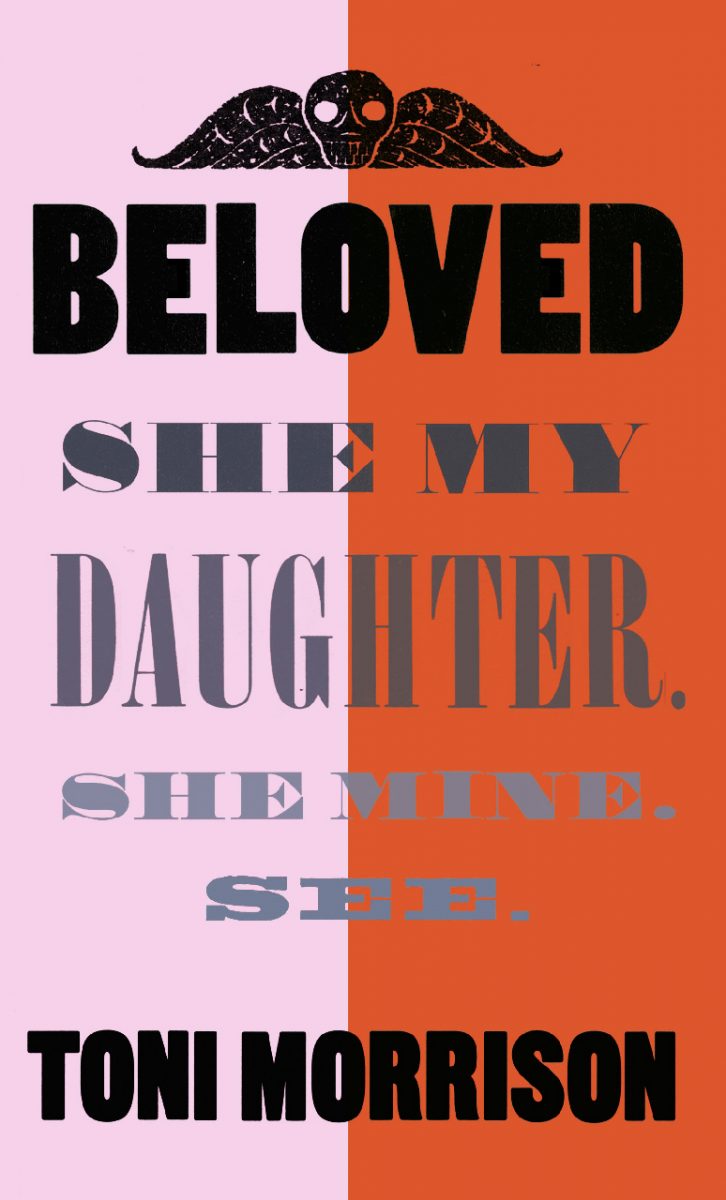
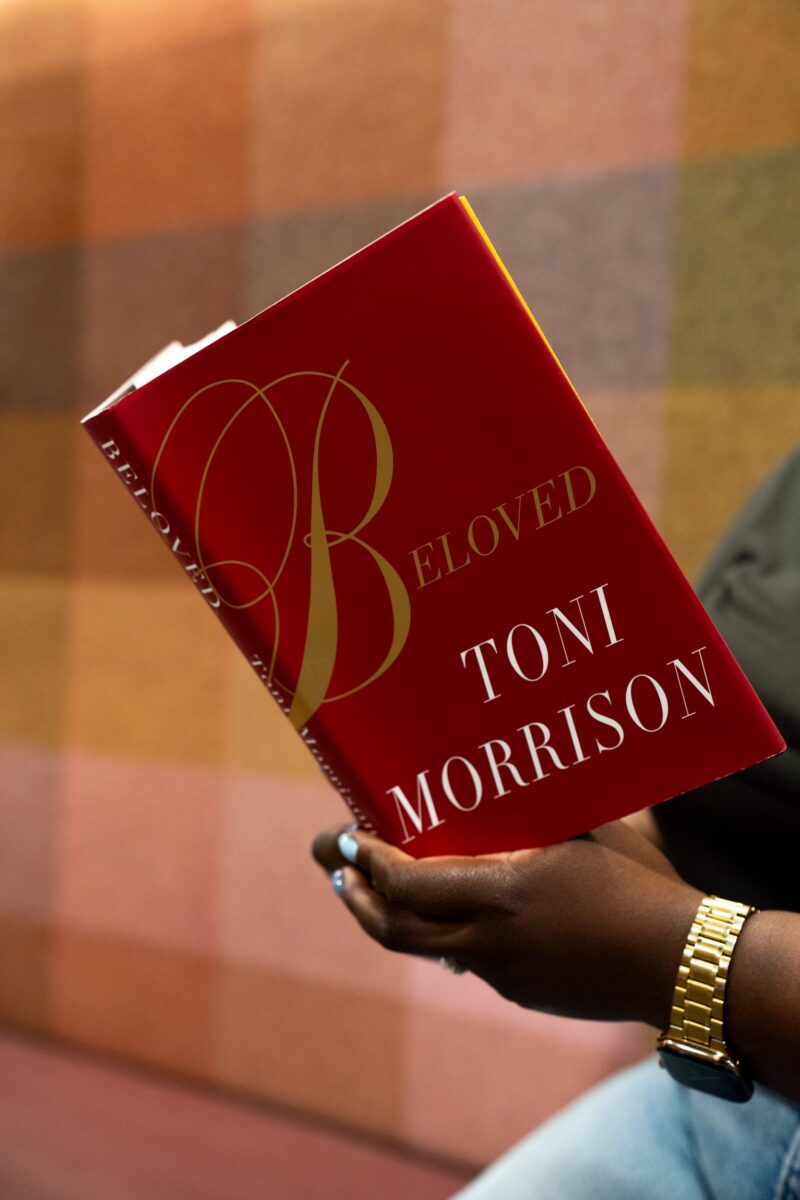
October’s Anisfield-Wolf Book Club selection is 1988 Anisfield-Wolf Book Awards Fiction winner, Beloved by Toni Morrison
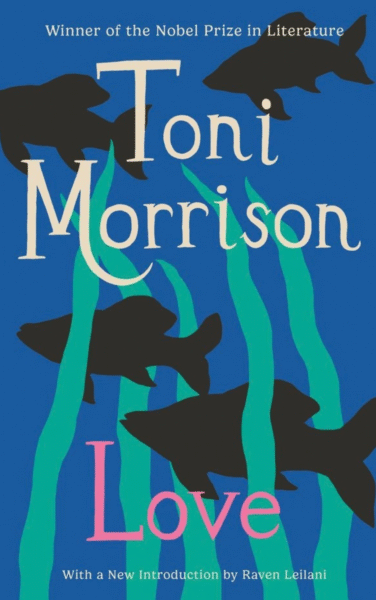
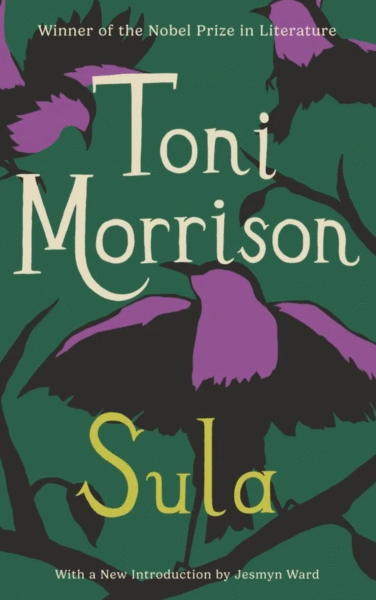
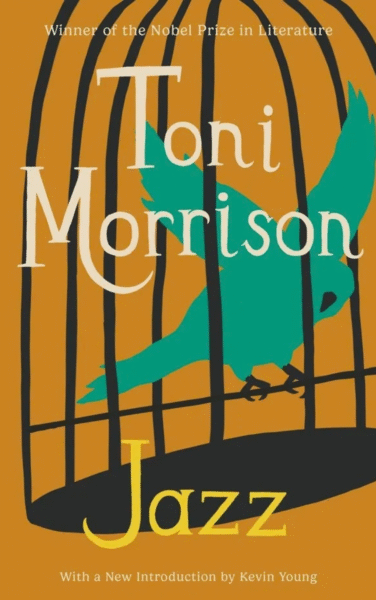
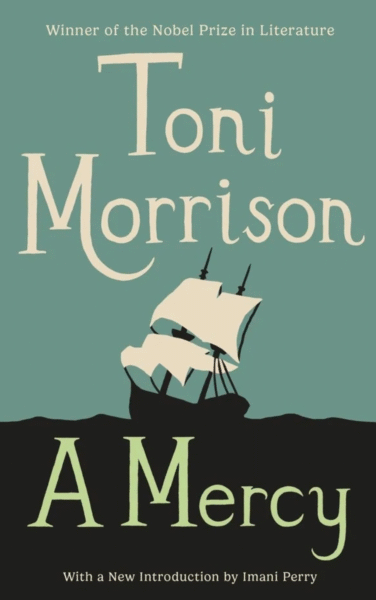
Toni Morrison has said that Beloved is the first novel in a trilogy about love. The second novel in that trilogy, Jazz, was published in 1992. Set in New York during the Harlem Renaissance, the novel pieces together the story of a love triangle in a narrative form that imitates the rhythms of jazz music. The third novel, Paradise, was published in 1998. It portrays the lives of the townspeople of Ruby, Oklahoma, who believe their community is “the one all-black town worth the pain,” and the women who inhabit the abandoned convent just outside town, whom the townspeople wish to exclude from their Eden. In 1993 Morrison received the Nobel Prize in literature for her six novels to that date. She was the first African American and the first black woman of any nationality ever to receive that prize.
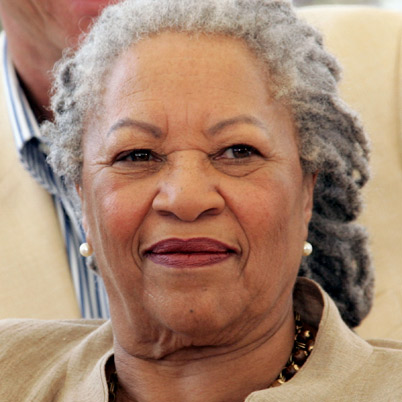
Toni Morrison was born Chloe Anthony Wofford in Lorain, Ohio, a small, racially mixed steel town. Her grandparents were all originally from the South, and Morrison credits her family with giving her a rich foundation in the language and rhythms of African American culture. She has said she was born into a family of storytellers, and considers her father’s folktales and her mother’s singing as examples of the uniquely black language she absorbed as a child. After graduating with honors from Lorain public schools, Morrison received a bachelor’s degree from Howard University in 1953. In 1955 she earned a master’s degree in English from Cornell University, where she wrote her thesis on alienation in the works of William Faulkner and Virginia Woolf. She taught at Texas Southern University for two years before accepting a teaching position at Howard.
While teaching at Howard, she married Jamaican architect Harold Morrison and gave birth to two sons. She later said it was the “powerlessness” she felt during her years as a wife and a mother of small children that led her to begin writing. In 1964 Morrison and her husband divorced, and she took a job in Syracuse, New York, as a textbook editor for Random House. In 1968 she moved to Random House’s trade division in Manhattan, becoming their first black woman senior editor. There, she focused on black authors and edited books by Angela Davis, Toni Cade Bambara, Gayl Jones, and Muhammad Ali. Morrison also continued writing her own fiction at night, after her sons were asleep, and in 1970 published her first novel, The Bluest Eye.
Through all of these works Morrison has had a tremendous impact on the American and the African American literary landscapes. Her novels are widely accessible to readers and internationally praised for the quality of their prose, yet they remain dedicated to exploring nuances of African American culture and language. In Black Women Writers, a 1984 book by poet Mari Evans, Morrison states that to her the best art “is unquestionably political and irrevocably beautiful at the same time,” a standard many readers believe she has met in all of her work.
Read more by Toni Morrison
Book Discussion Questions
Whether you are hosting your next book club or would simply like some questions to guide your reading, we curated a selection of questions to consider while you read Beloved.
From February 18, 2026 through February 18, 2027, Ohio will celebrate the life, literature, and legacy of Toni Morrison, Lorain, Ohio native and the first African American woman to win the Nobel Prize in Literature. Ohio Celebrates Toni Morrison is designed and led by Literary Cleveland with Ohio Humanities, Ohioana Library Association, and the Toni Morrison Society.
The winner of this year’s Lifetime Achievement Award goes to a writer who, for over the course of half a century, has painstakingly documented our racial history while the world readied itself to listen—Nell Irvin Painter.
It is certain that Nell Irvin Painter’s work has left an indelible mark on our understanding of race, race relations, and diversity. It is with great reverence that Painter joins the Anisfield-Wolf Book Awards canon as the 2026 Lifetime Achievement Winner.
Whether you are hosting your next book club or would simply like some questions to guide your reading, program director of the Anisfield-Wolf Book Awards, Kortney Morrow, has curated a selection of questions to consider while you read Nell Irvin Painter’s work.
Did you enjoy exploring Nell Irivin Painter’s work? If so, we recommend the following books to add to your reading list!
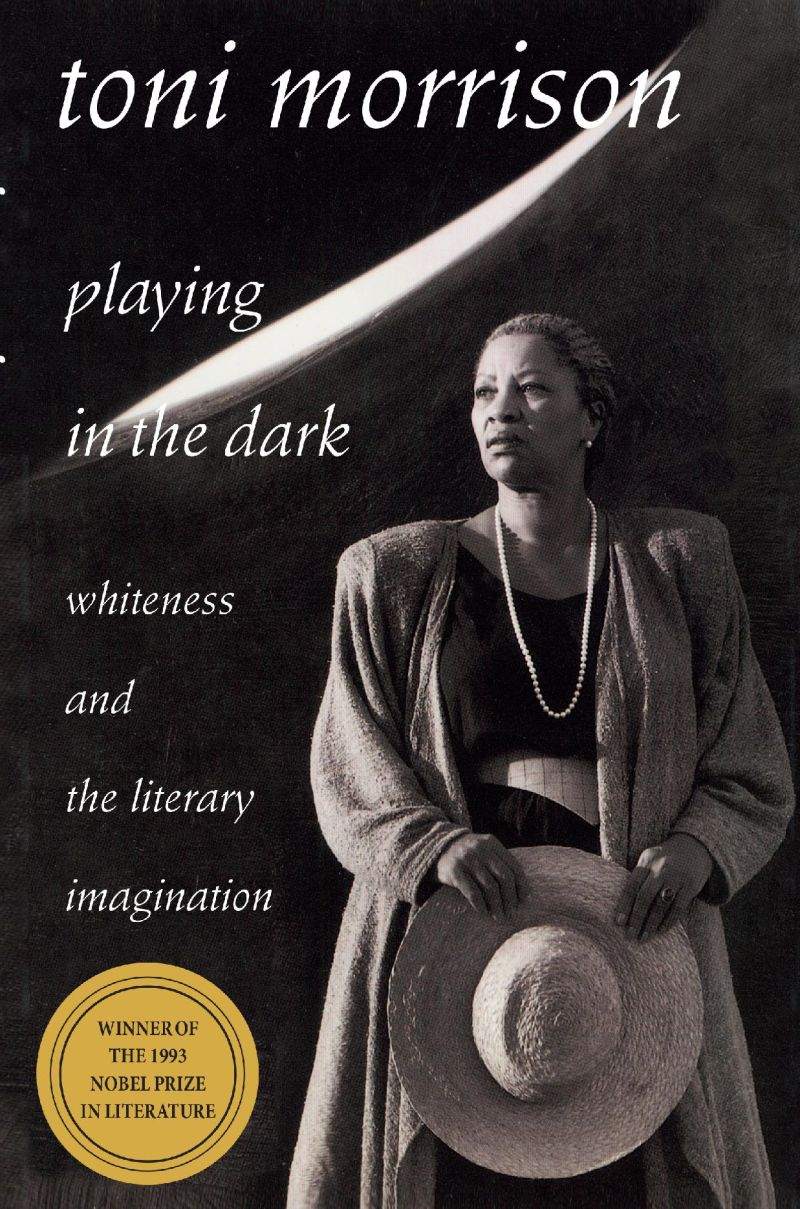
Playing in the Dark, Toni Morrison
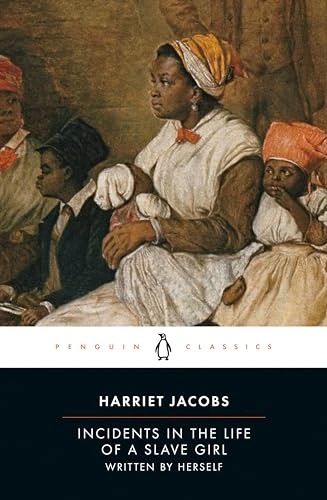
Incidents in the Life of a Slave Girl: Written by Herself, Harriet Jacobs, edited by Nell Irvin Painter
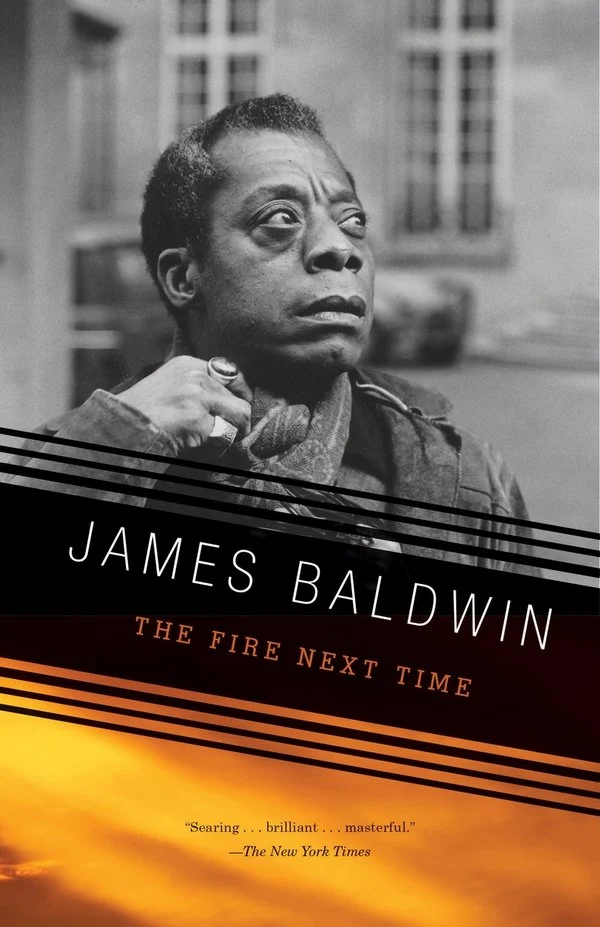
The Fire Next Time, James Baldwin
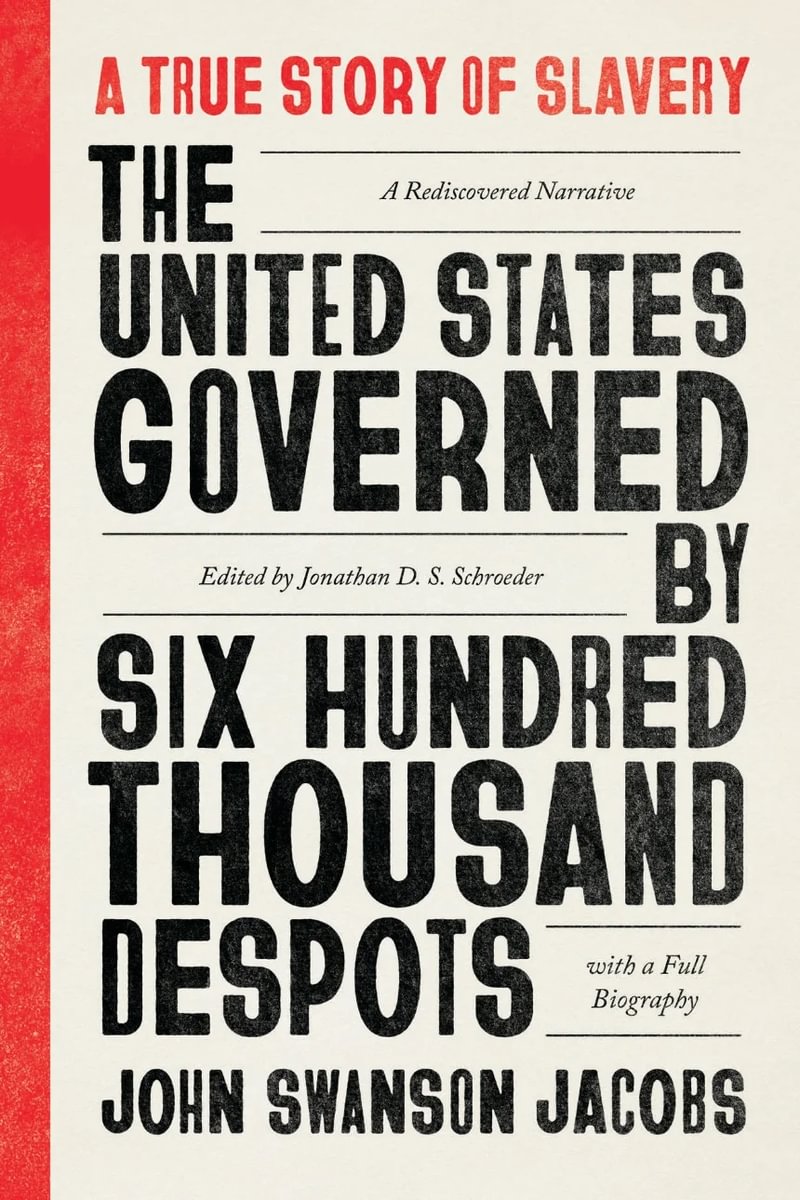
The United States Governed by Six Hundred Thousand Despots, John Swanson Jacobs, edited by Jonathan D.S. Schroeder
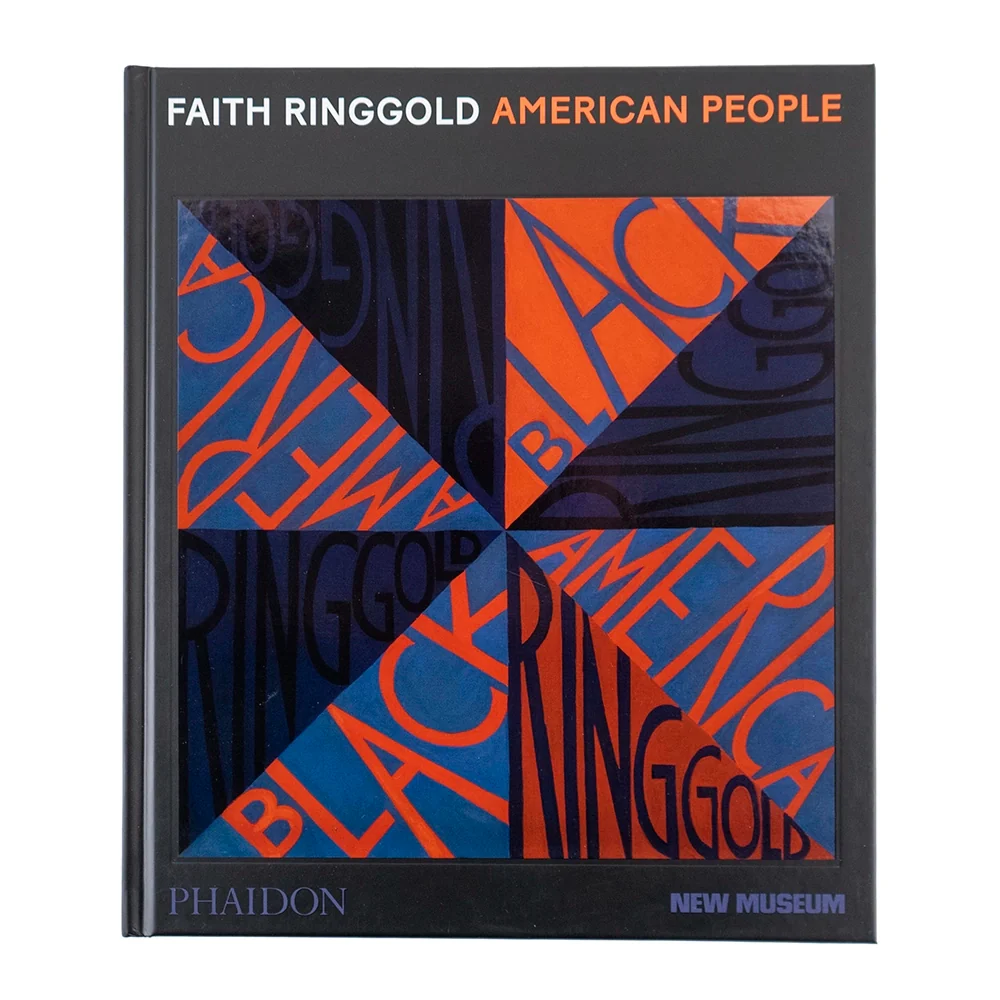
Faith Ringgold: American People
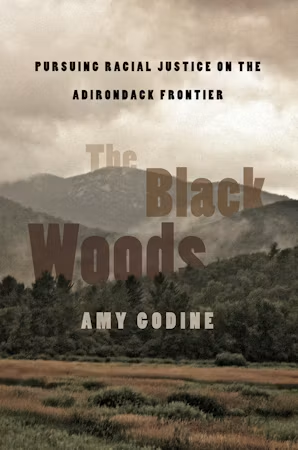
The Black Woods, Amy Godine
Explore thoughtful book discussion questions, exclusive author content, and thoughts on the winning books from AWBA program director, jurors and partners each month through our Anisfield-Wolf Book Club!
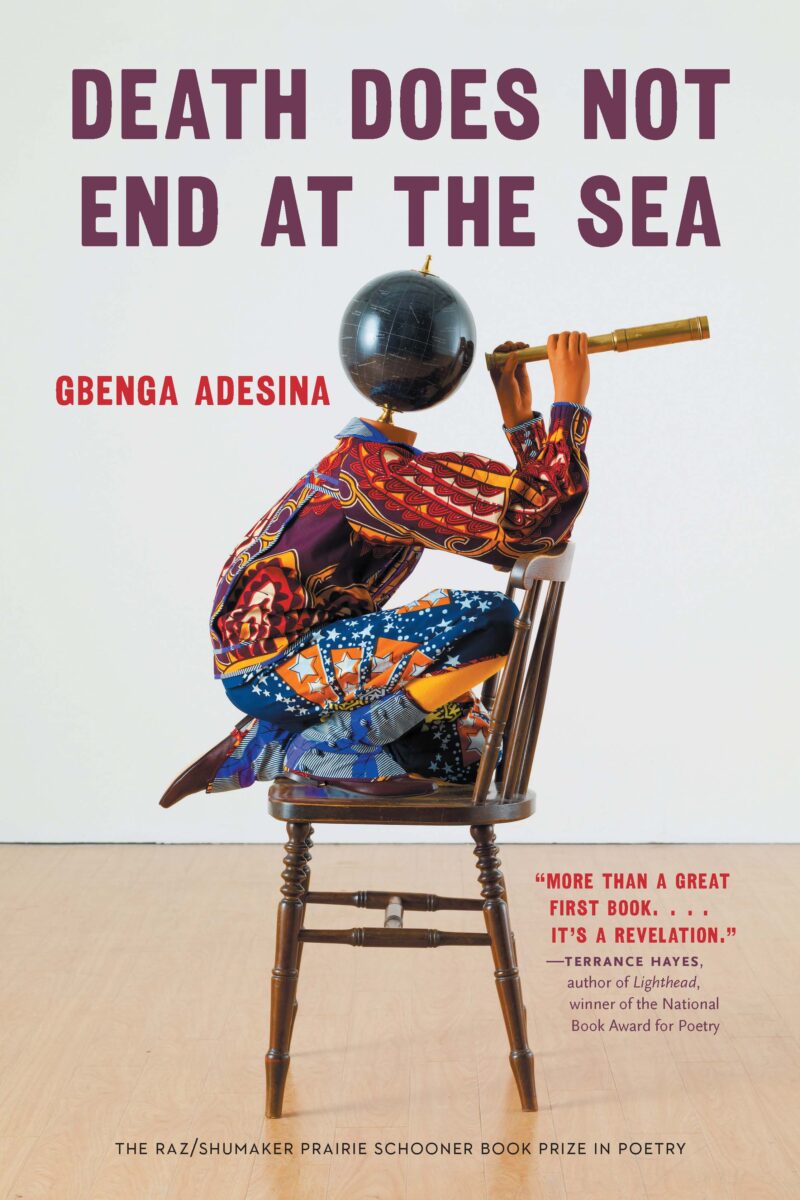
August’s Selection: 2026 Poetry Winner, Death Does Not End at the Sea, by Gbenga Adesina
In Gbenga Adesina’s groundbreaking debut book of poems, a defiant and wise exploration of exile, voyages, and spiritual odysseys, we encounter figures embarking on journeys haunted by history—a son keeps dreaming he carried his dead father across the sea; a young Black father, tired of fear and breathlessness, travels with his son in search of the ghost of James Baldwin—to Paris, the south of France, Turkey, and Senegal to investigate his ancestral roots; and finally, a group of immigrants on small boats in the middle of the Mediterranean Sea sing in order not to drown, in a stunning sequence that invokes the middle passage.
Whether you are hosting your next book club or would simply like some questions to guide your reading, program director of the Anisfield-Wolf Book Awards, Kortney Morrow, has curated a selection of questions to consider while you read Born In Flames.
Did you enjoy reading Death Does Not End at the Sea? If so, we recommend the following books to add to your reading list!
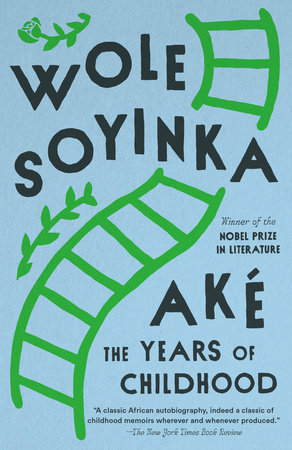
Ake, Wole Soyinka
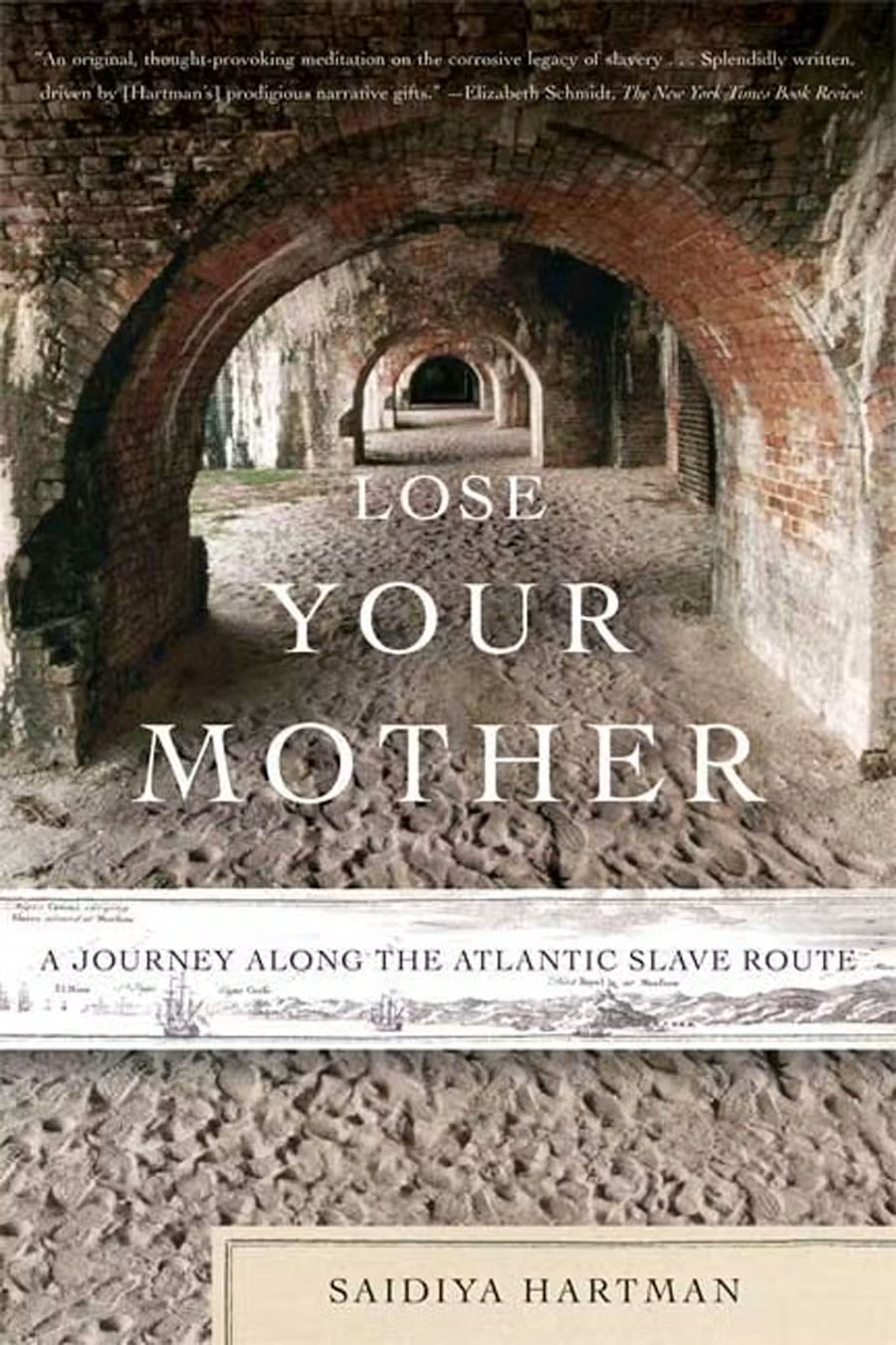
Lose Your Mother, Saidiya Hartman
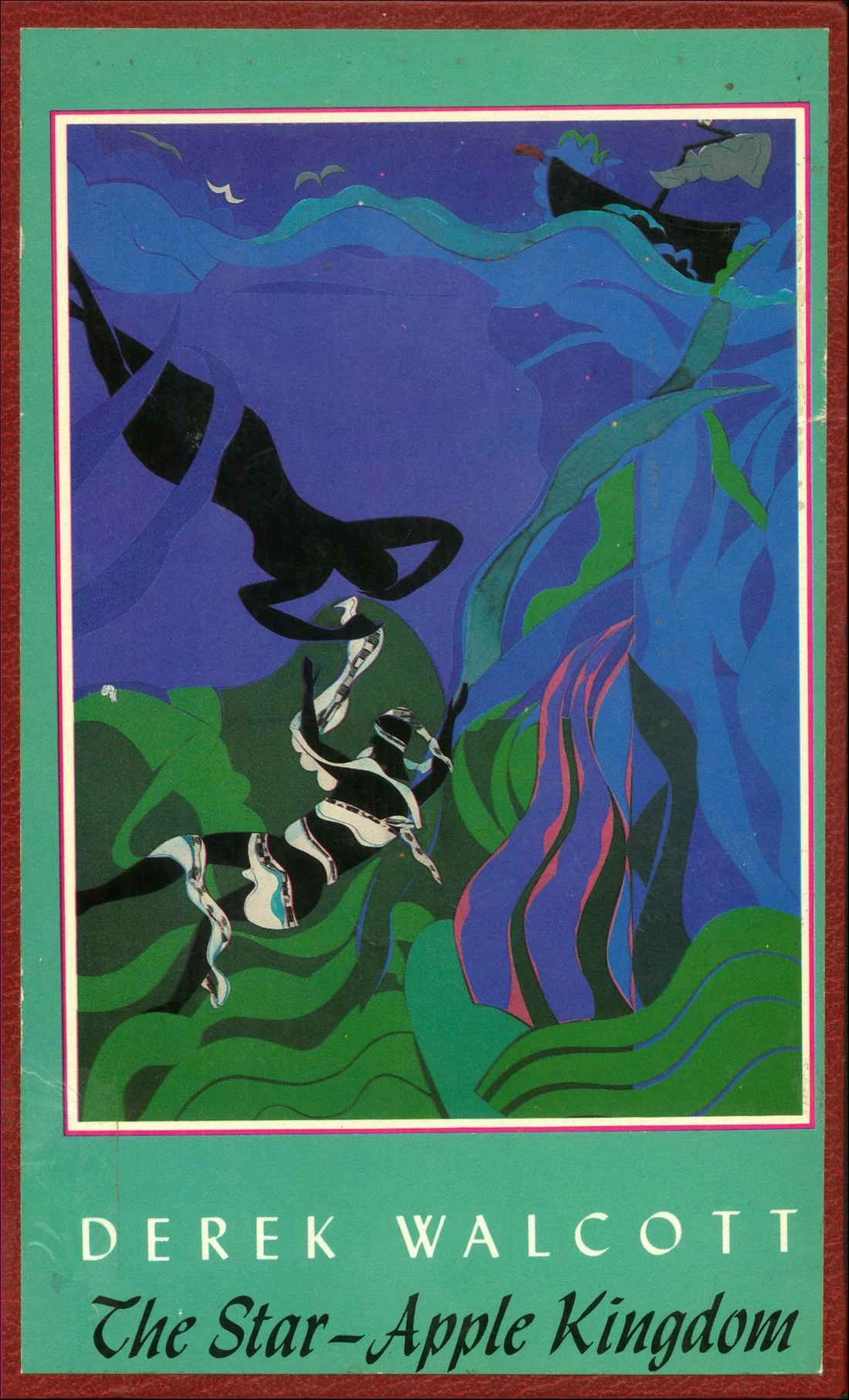
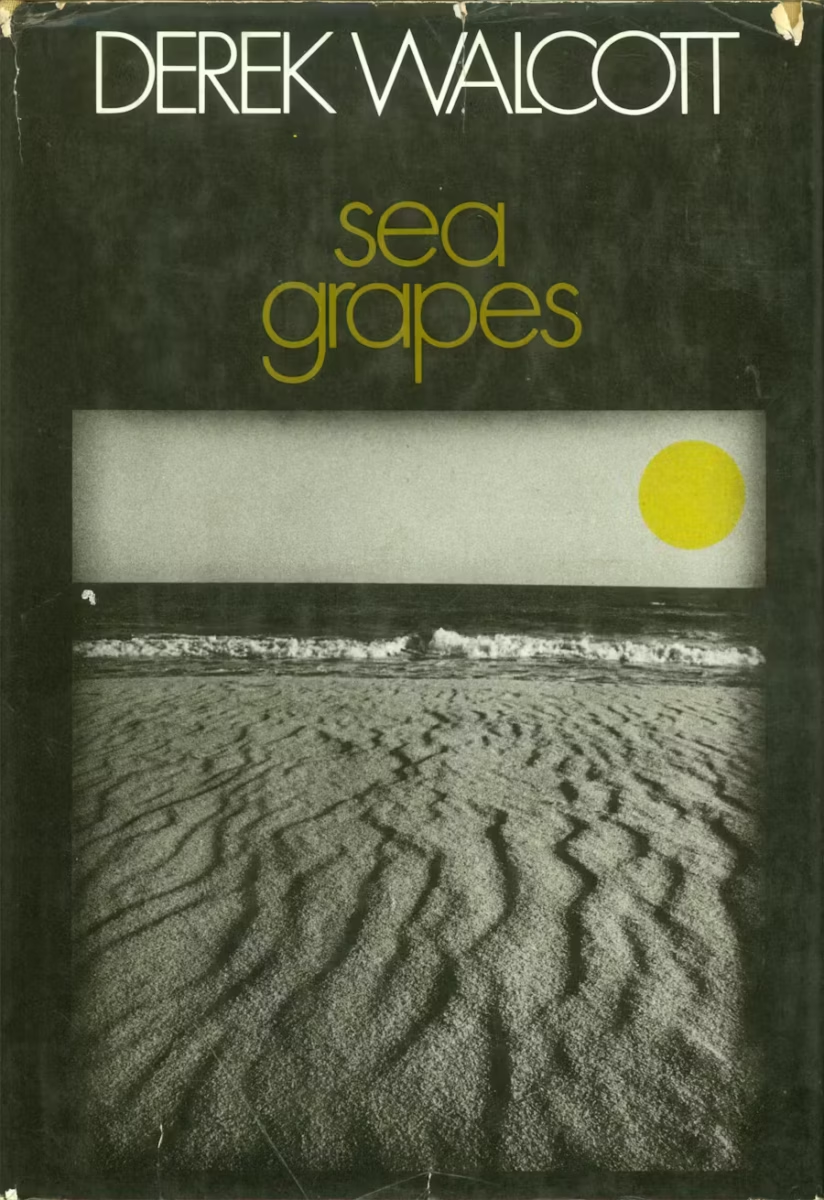
The Star-Apple Kingdom, Derek Walcott
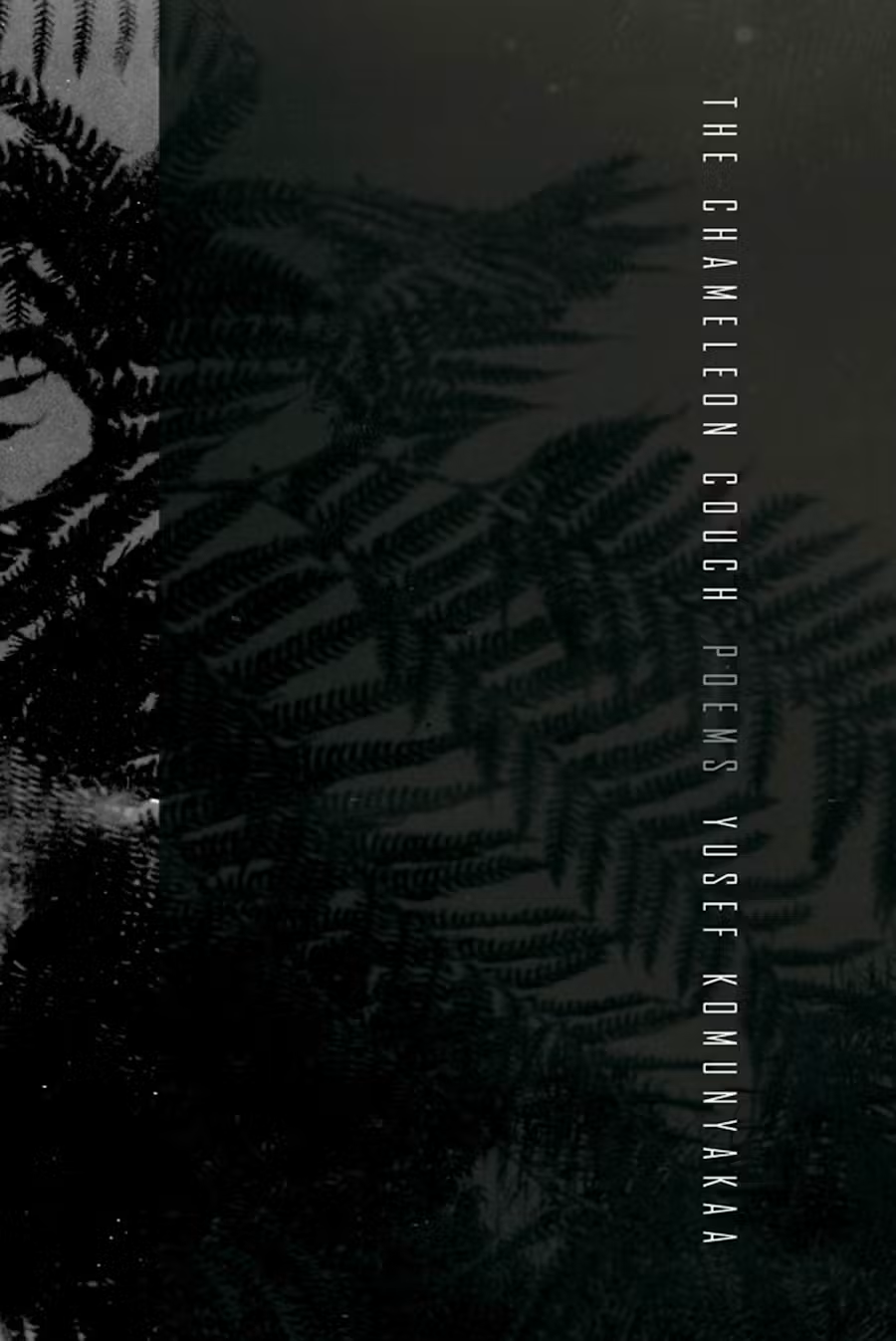
The Chameleon Couch, Yusef Komunyakaa
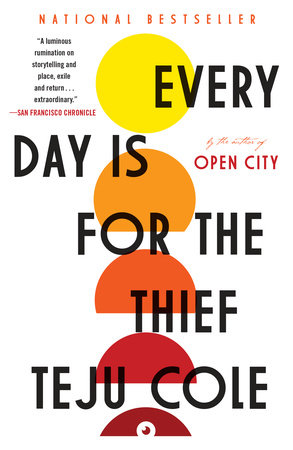
Every Day Is for the Thief, Teju Cole
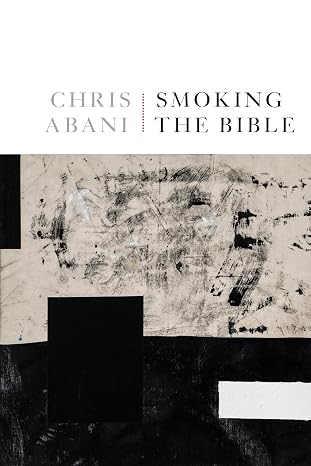
Smoking the Bible, Chris Abani
Explore thoughtful book discussion questions, exclusive author content, and thoughts on the winning books from AWBA program director, jurors and partners each month through our Anisfield-Wolf Book Club!
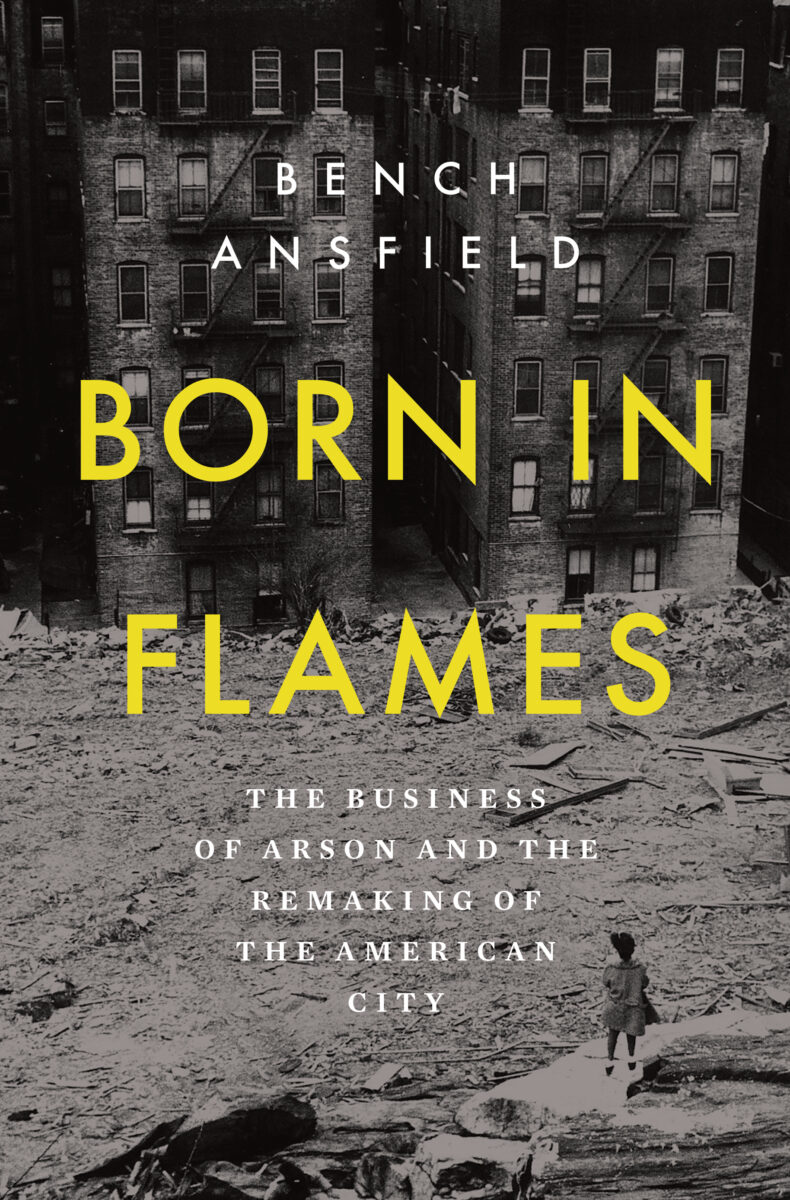
July’s Selection: 2026 Nonfiction Winner, Born in Flames, by Bench Ansfield
The explosive account of the arson wave that hit the Bronx and other American cities in the 1970s—and its legacy today. Ansfield’s book, based on a decade of research, introduces the term “brownlining” for the destructive insurance practices imposed on poor communities of color under the guise of racial redress.
Whether you are hosting your next book club or would simply like some questions to guide your reading, program director of the Anisfield-Wolf Book Awards, Kortney Morrow, has curated a selection of questions to consider while you read Born In Flames.
Did you enjoy reading Born in Flames? If so, we recommend the following books to add to your reading list!
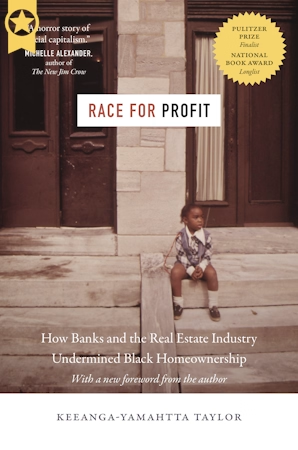
Race for Profit, Keeanga-Yamahtta Taylor
Freedom Dreams, Robin D.G. Kelley
South Bronx Rising, Jill Jonnes
The Limits to Capital, David Harvey
Capitalizing on Crisis, Greta R. Krippner
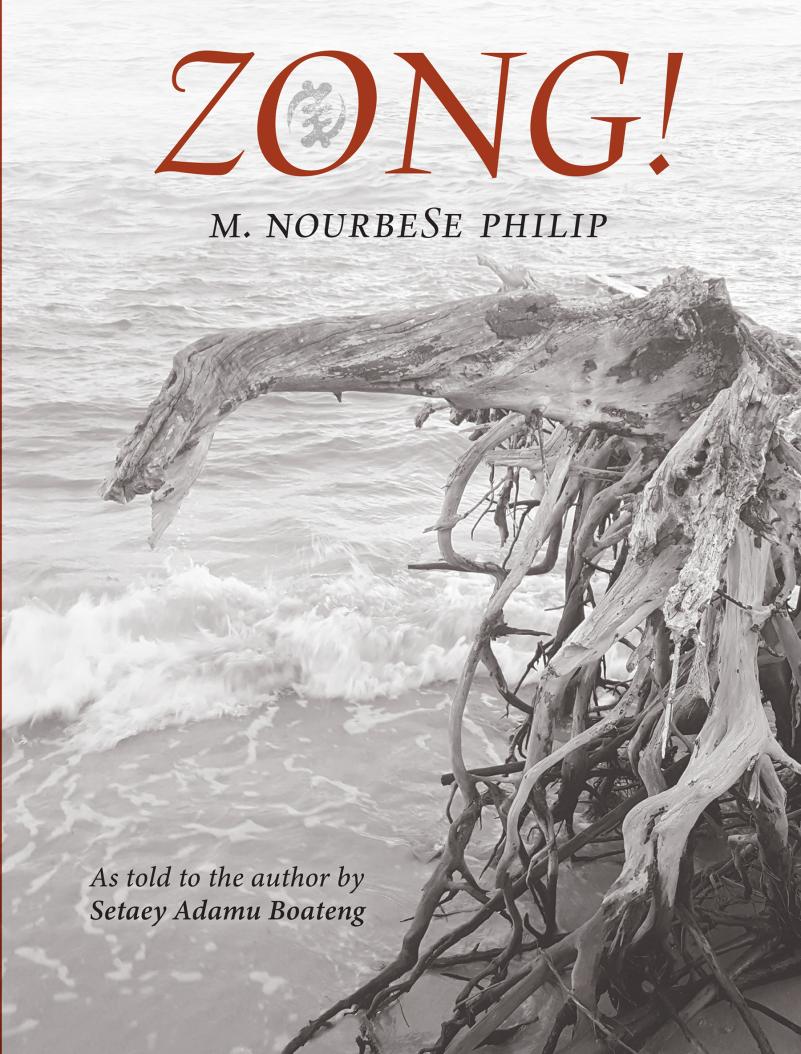
Zong!, M. NourbeSe Philip
The annual celebration weekend will anchor the month-long Cleveland Book Fest – a showcase of literary excellence in Northeast Ohio
The Anisfield-Wolf Book Awards (AWBA), the only national juried prize for literature that explores race and diversity, marks its 91st year with a series of events September 18-19 that will bring the 2026 winners to Cleveland for the annual award ceremony, readings and conversations across the city.
The AWBA events will anchor the month-long Cleveland Book Fest – a showcase of literary events across Cleveland alongside partners throughout September.
“The Anisfield-Wolf Book Awards are a uniquely Cleveland prize, and this year’s class is a powerful reflection of the consequential voices that have shaped and continue to define the awards,” said Kortney Morrow, director, Anisfield-Wolf Book Awards. “Every winner in a competitive category this year is a debut author – they include voices we are meeting for the very first time, at the exact moment their ideas are reshaping how we think about race, culture, history and one another. Our celebration weekend gives Clevelanders the rare chance to engage first hand with these authors and ideas.”
Anisfield Wolf Book Awards – A Nationally Renowned Prize Stewarded in Cleveland
Founded in 1935 by poet and philanthropist Edith Anisfield Wolf, the Anisfield-Wolf Book Awards have an extraordinary track record of recognizing work that endures. The Cleveland Foundation continues to steward the awards today.
Selected by a distinguished jury chaired by Pulitzer Prize–winning poet and AWBA-winning memoirist Natasha Trethewey and including Pulitzer Prize and AWBA-winning poet Jericho Brown; AWBA-winning novelist Peter Ho Davies; bestselling AWBA-winning writer and scholar Charles King; National Book Award and AWBA-winning writer and American historian Tiya Miles; and critically acclaimed author Luis Alberto Urrea, every winner in a competitive category for 2026 is a debut author, indicating the prize’s unwavering commitment to seeking out transformative work wherever it first emerges.
2026 Winners:
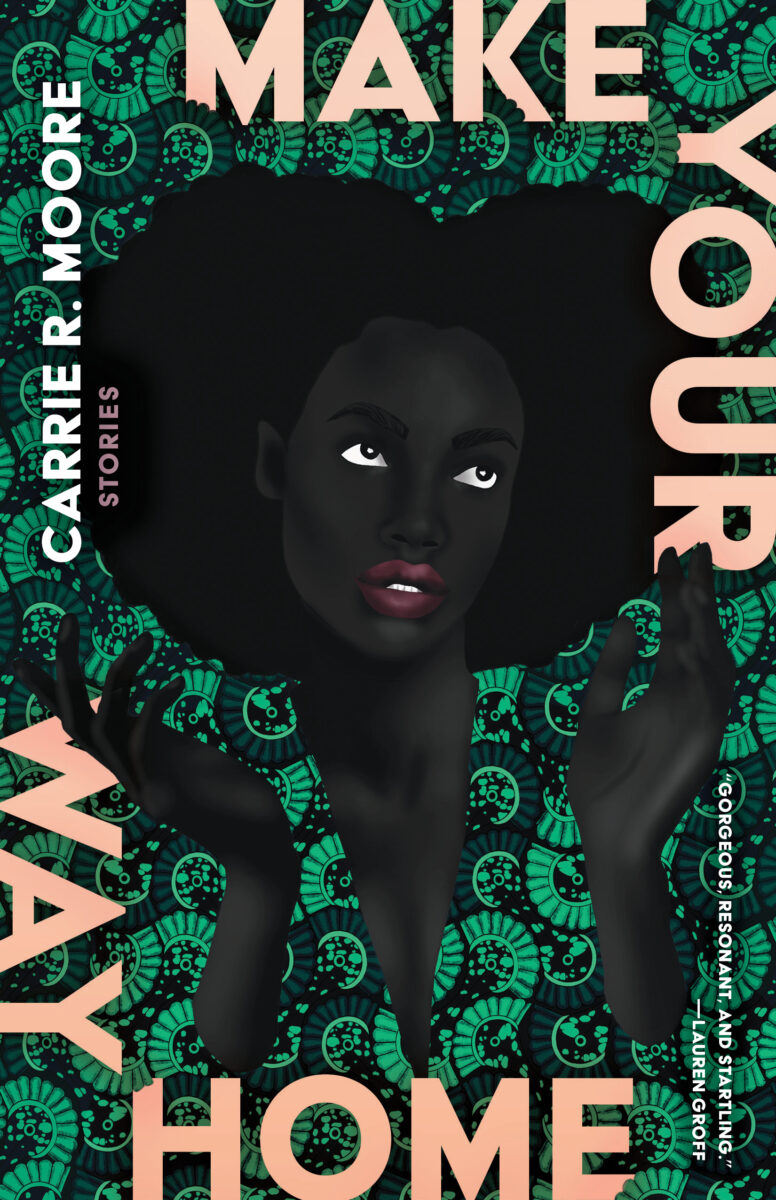
Fiction:Make Your Way Home by Carrie R. Moore
Nonfiction:Born in Flames: The Business of Arson and the Remaking of the American City by Bench Ansfield
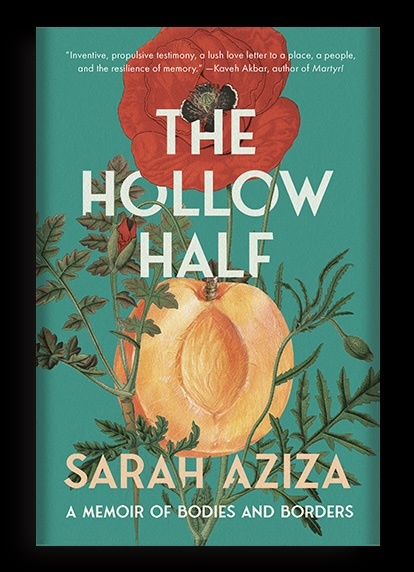
Memoir:The Hollow Half: A Memoir of Bodies and Borders by Sarah Aziza
Poetry: Death Does Not End at the Sea by Gbenga Adesina
Lifetime Achievement Award: Honoring pioneering historian Nell Irvin Painter
“For nine decades, the Anisfield-Wolf Book Awards have set the intellectual table for conversations on race and cultural differences and have fundamentally shaped how we see the world,” said jury chair Trethewey. “The 2026 class joins an extraordinary canon of seminal texts that continue to deepen our understanding of race, justice and humanity.”
The 2026 AWBA celebration weekend invites the public into conversation with this year’s honorees.
Tickets for the City Club and Awards Ceremony are now available and tickets for Saturday events will be available August 15.
FRIDAY, SEPTEMBER 18: CITY CLUB + AWARDS CEREMONY
11:30 AM-1 PM: The weekend opens Friday with a special City Club of Cleveland Forum featuring AWBA 2026 winner Sarah Aziza in conversation with WEWS reporter Nadeen Abusada.
6:30 PM: The 91st Anisfield-Wolf Book Awards Ceremony takes place at the Maltz Performing Arts Center (1855 Ansel Rd.), hosted by Jury Chair Natasha Trethewey. A public afterparty follows from 7:30–10 p.m. at the Ballroom at Park Lane, featuring book signings, food, music and merchandise for sale via Mac’s Backs.
SATURDAY, SEPTEMBER 19: A DAY WITH THE 2026 CLASS — EVENTS FREE AND OPEN TO THE PUBLIC
Saturday’s full day of programming offers Clevelanders unprecedented access to this year’s honorees across venues in Ohio City.
11-11:45 AM | Bench Ansfield with DeRay Mckesson and Tara Raghuveer (Director of the Tenant Union Federation) | Ohio City Room at Market Garden
Bench Ansfield joins civil rights activist and Campaign Zero Executive Director DeRay Mckesson and Director of the Tenant Union Federation Tara Raghuveer for a fireside chat on arson, insurance fraud, and tenant organizing in the Bronx and beyond.
12-12:45 PM | Sarah Aziza with Masrah Cleveland Al-Arabi | Jaja
Sarah Aziza will be joined by members of Cleveland Public Theatre’s Community Ensemble Masrah Cleveland Al-Arabi and three-time Arab American Book Award winner Phil Metres for a performance and conversation on Arabic, translation and the politics of language.
2:30–3:15 PM | Carrie R. Moore with Stevona Elem Rogers | The Foundry Carriage House
A conversation on writing Black romance, faith and the American South will feature debut fiction writer Carrie R. Moore in dialogue with writer and cultural worker Stevona Elem Rogers.
3:30-4:15 PM | Gbenga Adesina | The Foundry Tank House
Debut poet Gbenga Adesina reads a selection of pieces from Death Does Not End at the Sea amidst state-of-the-art indoor rowing tanks for a reading rooted in grief, migration, borders, faith and the power of the sea.
A Uniquely Cleveland Experience – Cleveland Book Fest Takes Over the City in September
Cleveland Book Fest will take place across Cleveland in September. This month-long showcase of literary excellence in Northeast Ohio is slated to draw in thousands of book lovers, writers and residents through author talks, poetic-inspired exhibits, dynamic readings, writing workshops and publishing panels.
Official partners include the Anisfield-Wolf Book Awards, The City Club of Cleveland, Cleveland Public Library, Cuyahoga County Public Library, Great Lakes African American Writers Conference (GLAAWC), Lake Erie Ink, Literary Cleveland and Writers in Residence.
“Over the years, Cleveland Book Fest has grown from a week of events into a month-long celebration of literary excellence, drawing some of the biggest names in the literary world alongside a wide audience of readers and writers from across the region,” said Morrow. “None of that happens without our partners, which are each leading extraordinary programming of their own, built to engage and educate every kind of audience. We’re especially thrilled that several past Anisfield-Wolf winners are returning to Cleveland as part of this year’s Book Fest.”
The full schedule for Book Fest is available here.
About the Anisfield-Wolf Book Awards
Established in 1935 by poet and philanthropist Edith Anisfield Wolf, the awards are the only national juried prize for literature that confronts race and celebrates diversity. The Anisfield-Wolf Book Awards are administered by the Cleveland Foundation. For more information, visit Anisfield-Wolf.org, and follow us on Facebook, X, and Instagram.
About Cleveland Book Fest
Cleveland Book Fest (formerly known as Cleveland Book Week) is a multi-organization initiative designed to showcase literary excellence in Northeast Ohio. This year’s festival is slated to draw in thousands of book lovers, writers and residents through author talks, poetic-inspired exhibits, dynamic readings and publishing panels. Partners include the Anisfield-Wolf Book Awards, The City Club of Cleveland, Cleveland Public Library, Cuyahoga County Public Library, Great Lakes African American Writers Conference (GLAAWC), Lake Erie Ink, Literary Cleveland and Writers in Residence. For more information and event schedules, visit www.clevelandbookfest.com.
Explore thoughtful book discussion questions, exclusive author content, and thoughts on the winning books from AWBA program director, jurors and partners each month through our Anisfield-Wolf Book Club!
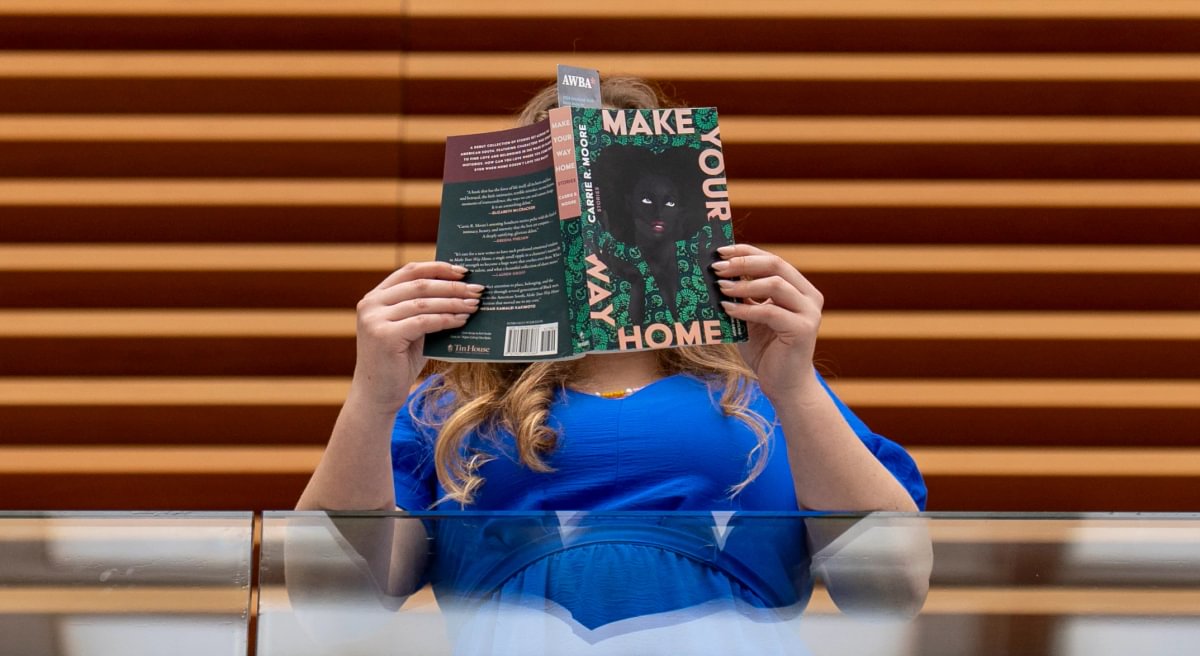
June’s Selection: 2026 Fiction Winner, Make Your Way Home, by Carrie R. Moore
Artfully and precisely drawn, and steeped in place and history as it explores themes of belonging, inheritance, and deep intimacy, Carrie R. Moore’s debut collection announces an extraordinary new talent in American fiction, inviting us all to examine how the past shapes our present—and how our present choices will echo for years to come.
Whether you are hosting your next book club or would simply like some questions to guide your reading, program director of the Anisfield-Wolf Book Awards, Kortney Morrow, has curated a selection of questions to consider while you read Make Your Way Home.
Did you enjoy reading Make Your Way Home? If so, we recommend the following books to add to your reading list!
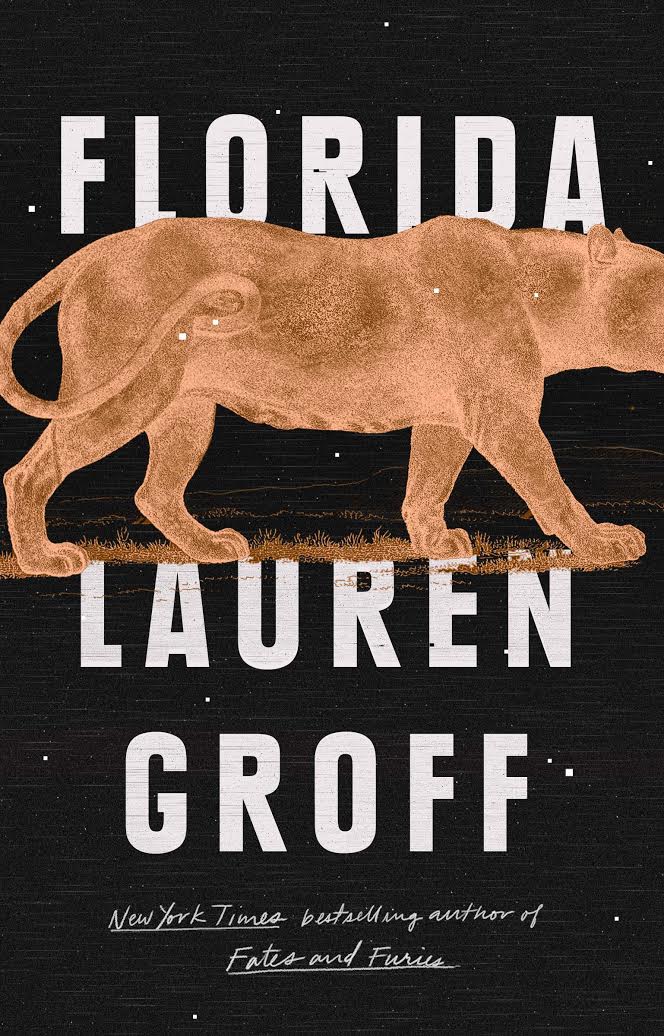
Florida, Lauren Groff
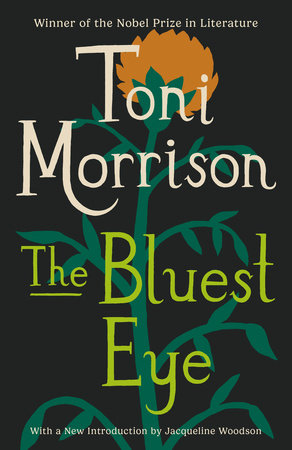
The Bluest Eye, Toni Morrison
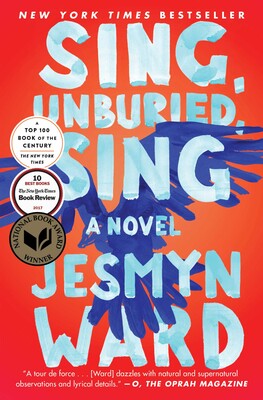
Sing, Unburied, Sing, Jesmyn Ward
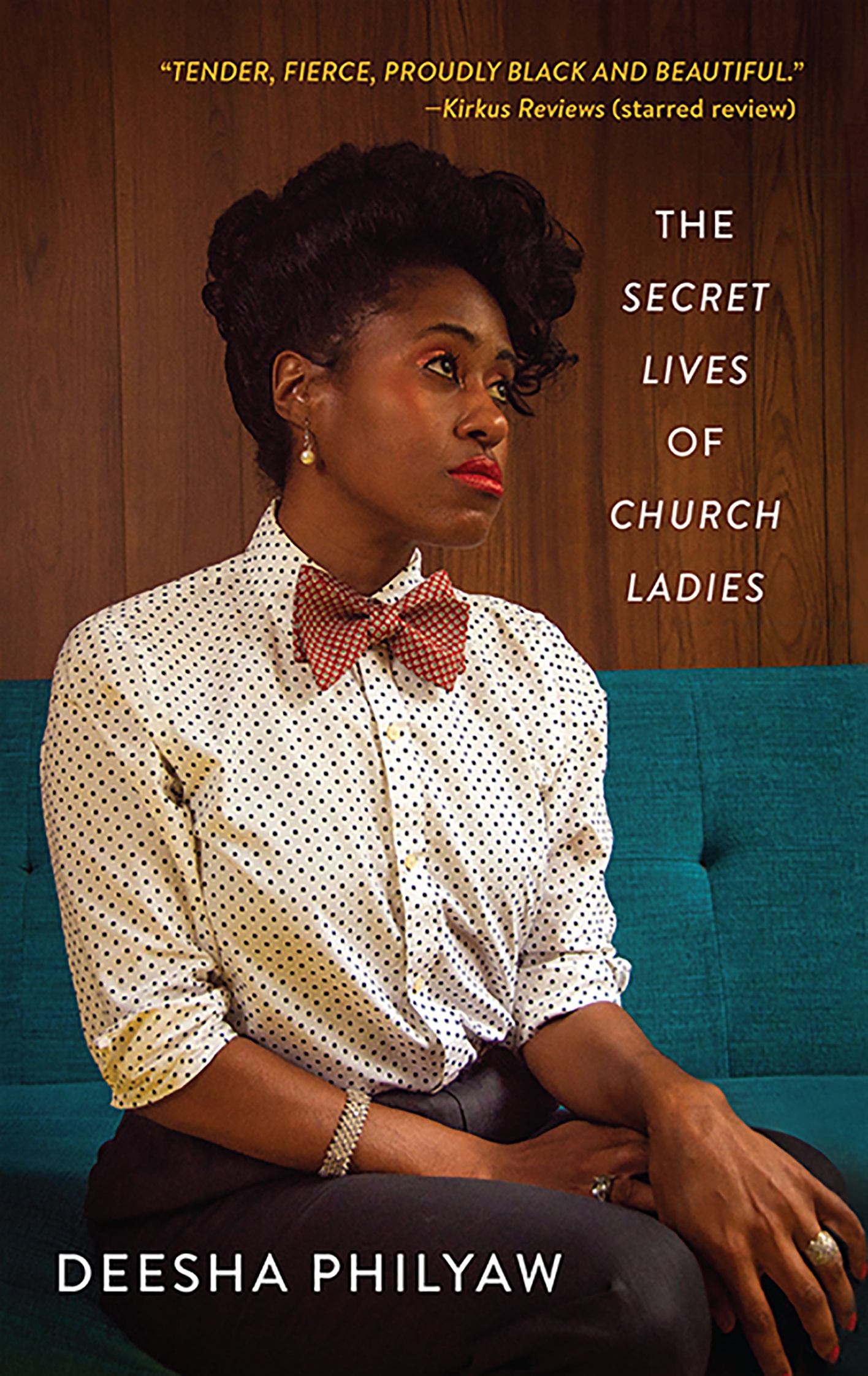
The Secret Lives of Church Ladies, Deesha Philyaw
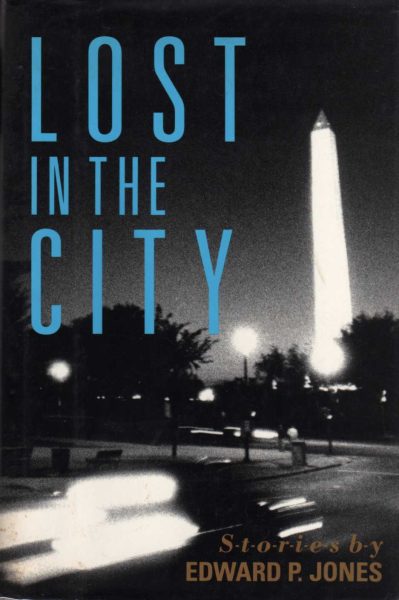
Lost in the City, Edward P. Jones
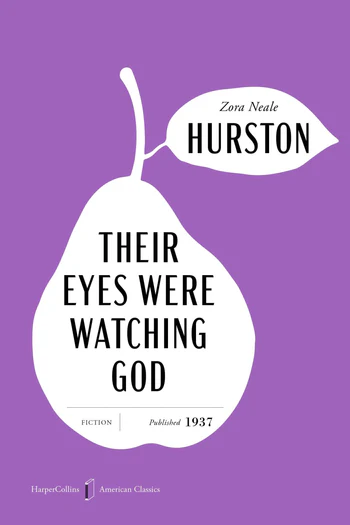
Their Eyes Were Watching God, Zora Neale Hurston
Explore thoughtful book discussion questions, exclusive author content, and thoughts on the winning books from AWBA program director, jurors and partners each month through our Anisfield-Wolf Book Club!
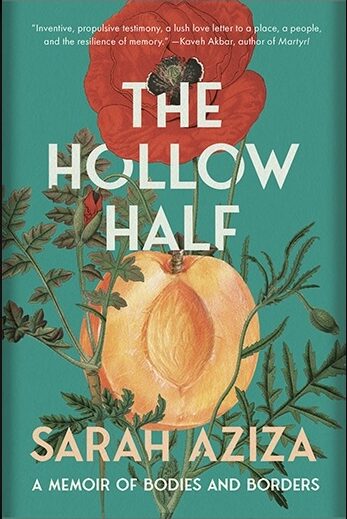
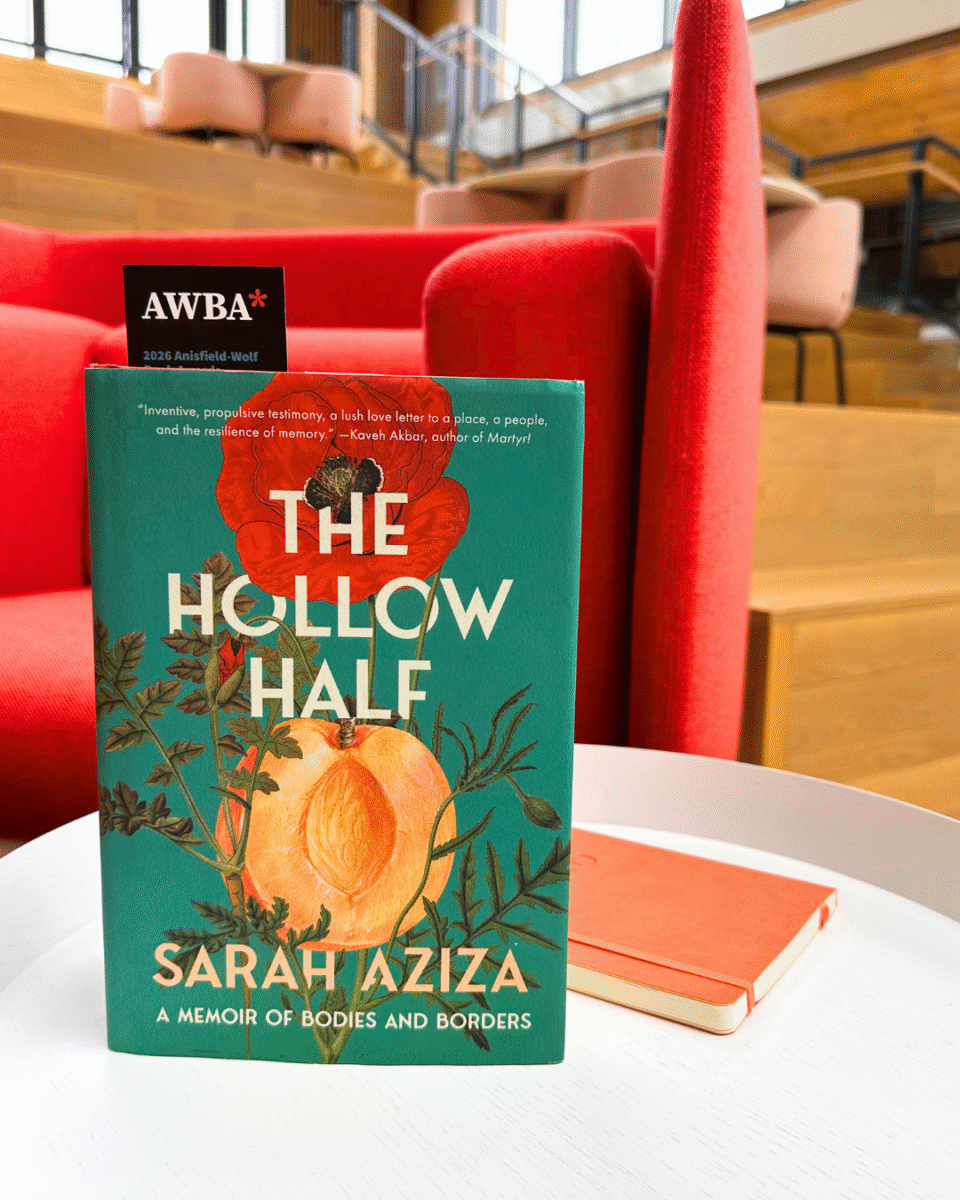
May’s Selection: 2026 Memoir Winner, The Hollow Half: A Memoir of Bodies and Borders, by Sarah Aziza
Weaving timelines, languages, geographies, and genres, The Hollow Half probes the contradictions and contingencies that create “nation” and “history.” Blazing with honesty, urgency, and poetry, this stunning debut memoir is a fearless call to imagine both the self and the world anew.
Whether you are hosting your next book club or would simply like some questions to guide your reading, program director of the Anisfield-Wolf Book Awards, Kortney Morrow, has curated a selection of questions to consider while you read The Hollow Half.
Did you enjoy reading The Hollow Half? If so, we recommend the following books to add to your reading list!
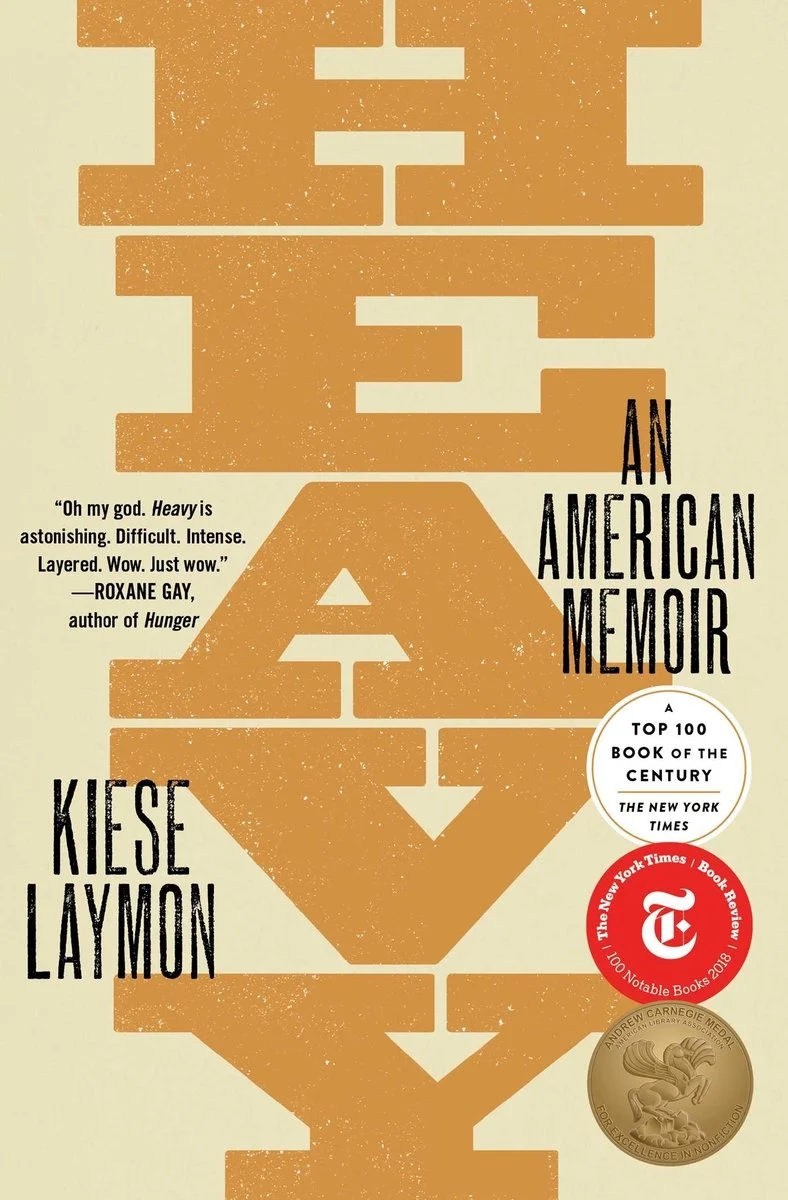
Heavy, Kiese Laymon
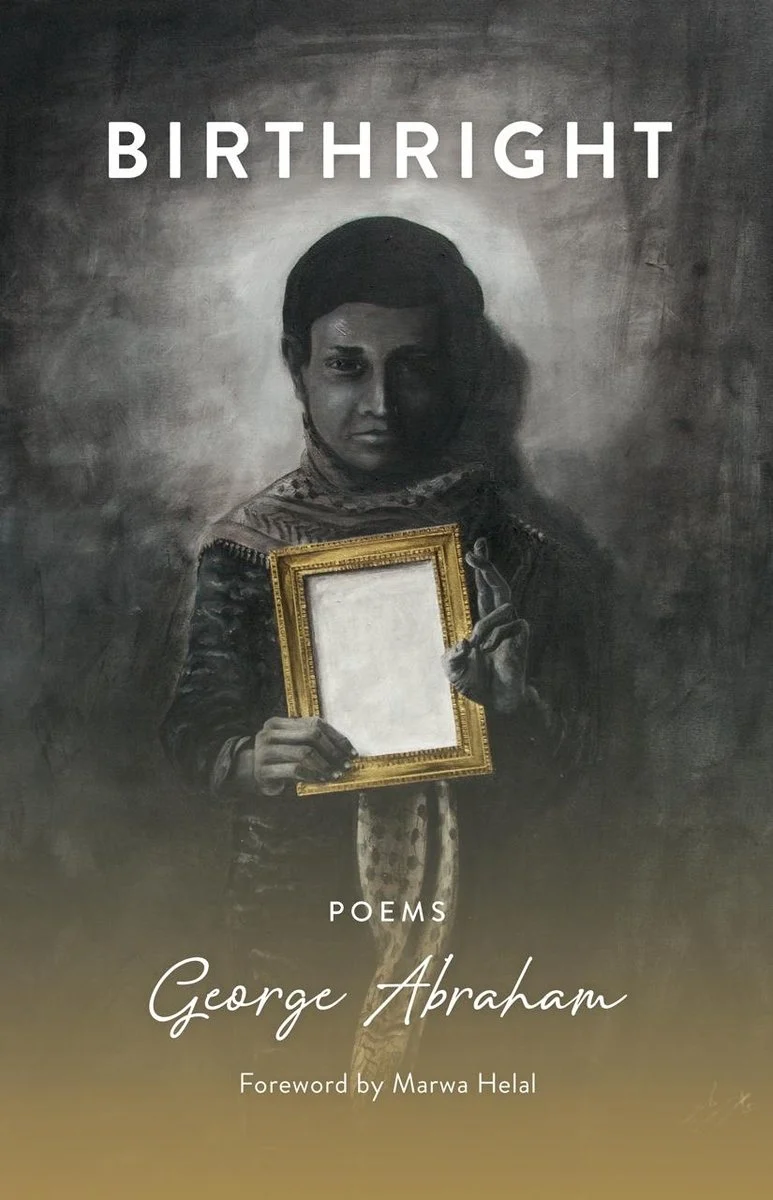
Birthright, George Abraham
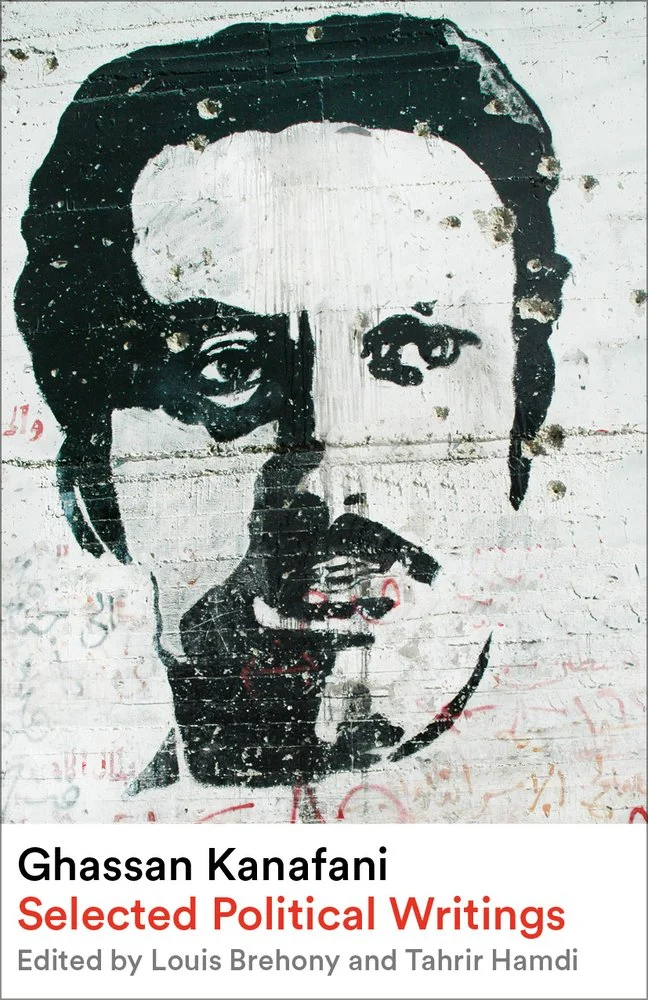
Ghassan Kanafani: Selected Political Writings, Ghassan Kanafani
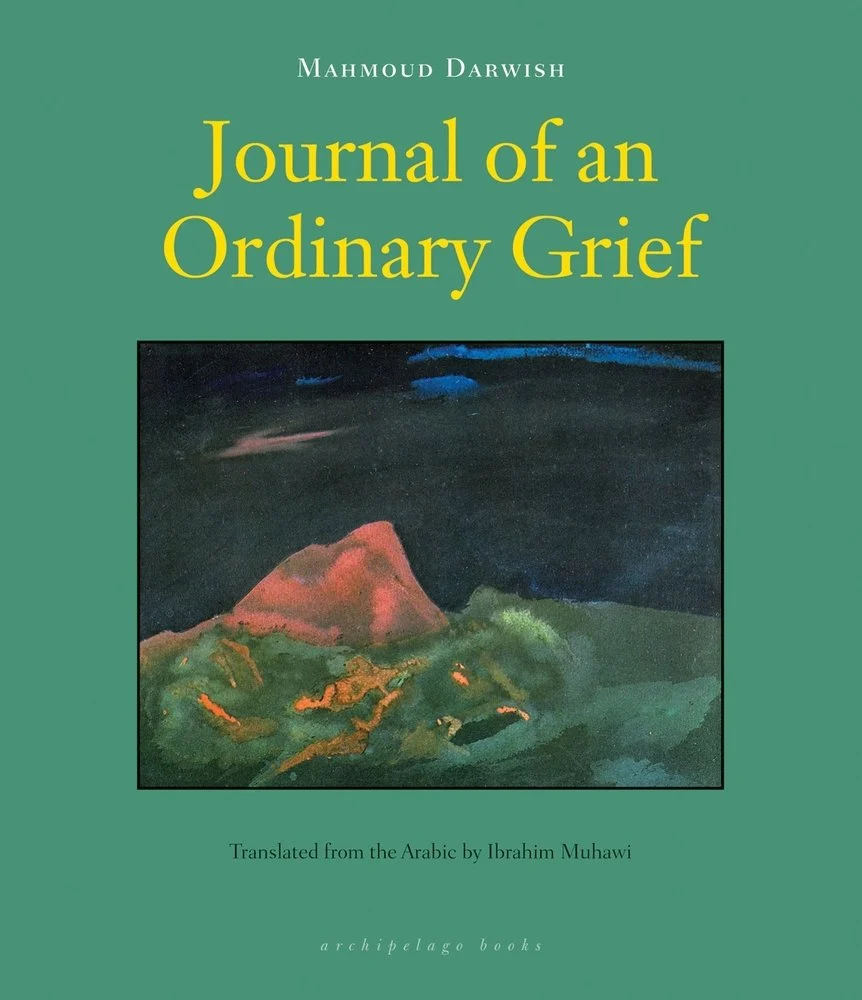
Journal of an Ordinary Grief, Mahmoud Darwish
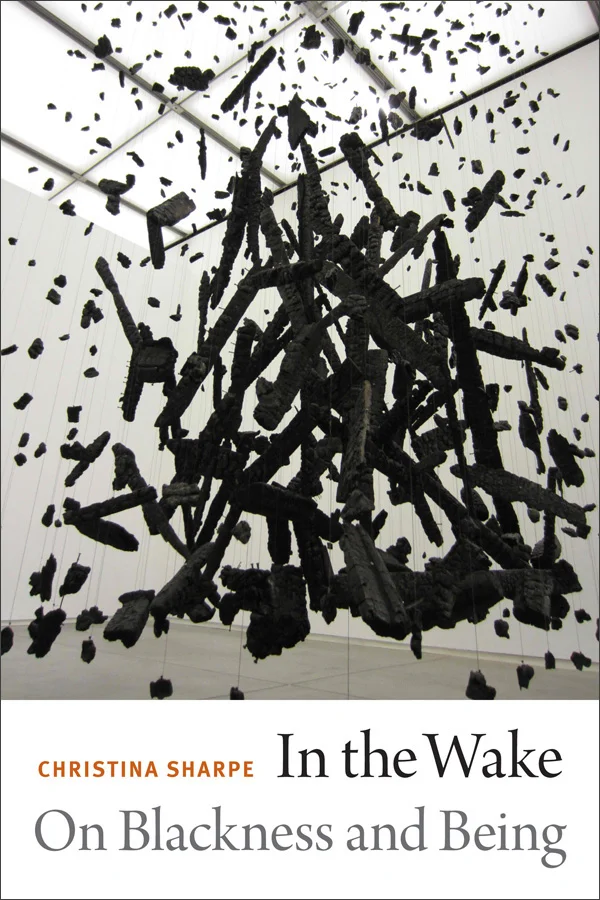
In the Wake: On Blackness and Being, Christina Sharpe
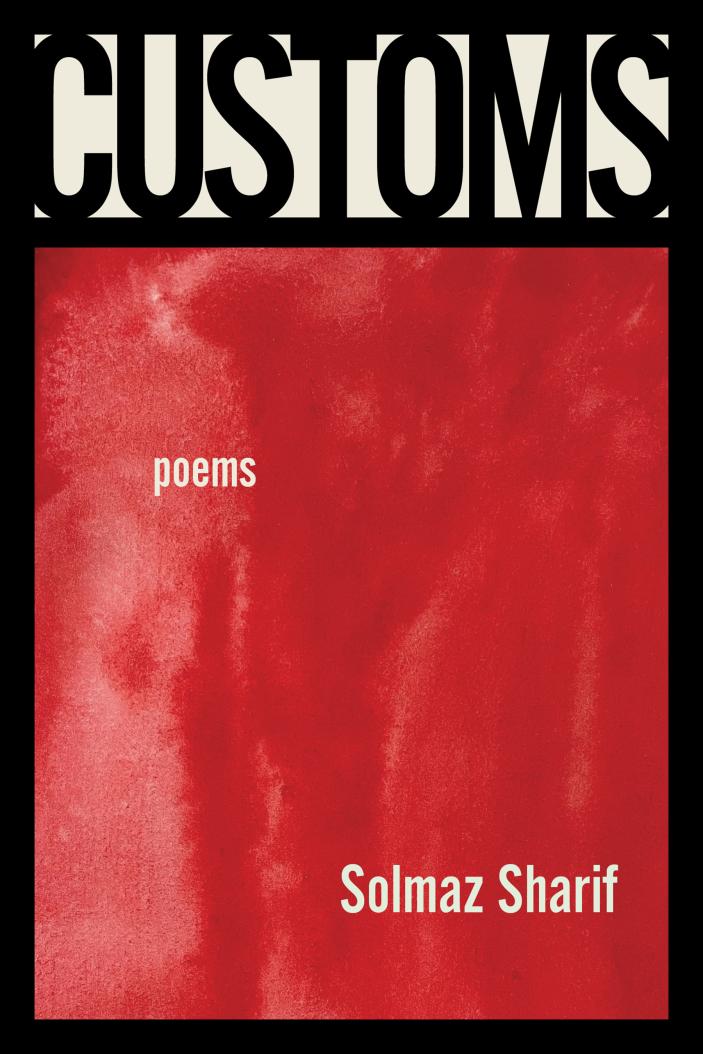
Customs, Solmaz Sharif
Save the Date- September 18-19, 2026
Join us for a weekend of opening and challenging minds as we honor the 2026 Anisfield-Wolf Book Award winners. Attend our annual signature ceremony at the Maltz Performing Arts Center on September 18 as this year’s winners join the esteemed canon of America’s only juried book prize focusing on works that address racism and diversity.
On September 19, we will host a series of events featuring thought-provoking conversations and readings featuring past AWBA winners and jurors—leading writers who have fundamentally shaped how we think about race relations and cultural diversity.
Full Schedule + Tickets Coming Soon
Sign up now to be the first to receive exclusive updates and early announcements!
Explore thoughtful book discussion questions, exclusive author content, and thoughts on the winning books from AWBA program director, jurors and partners each month through our Anisfield-Wolf Book Club!
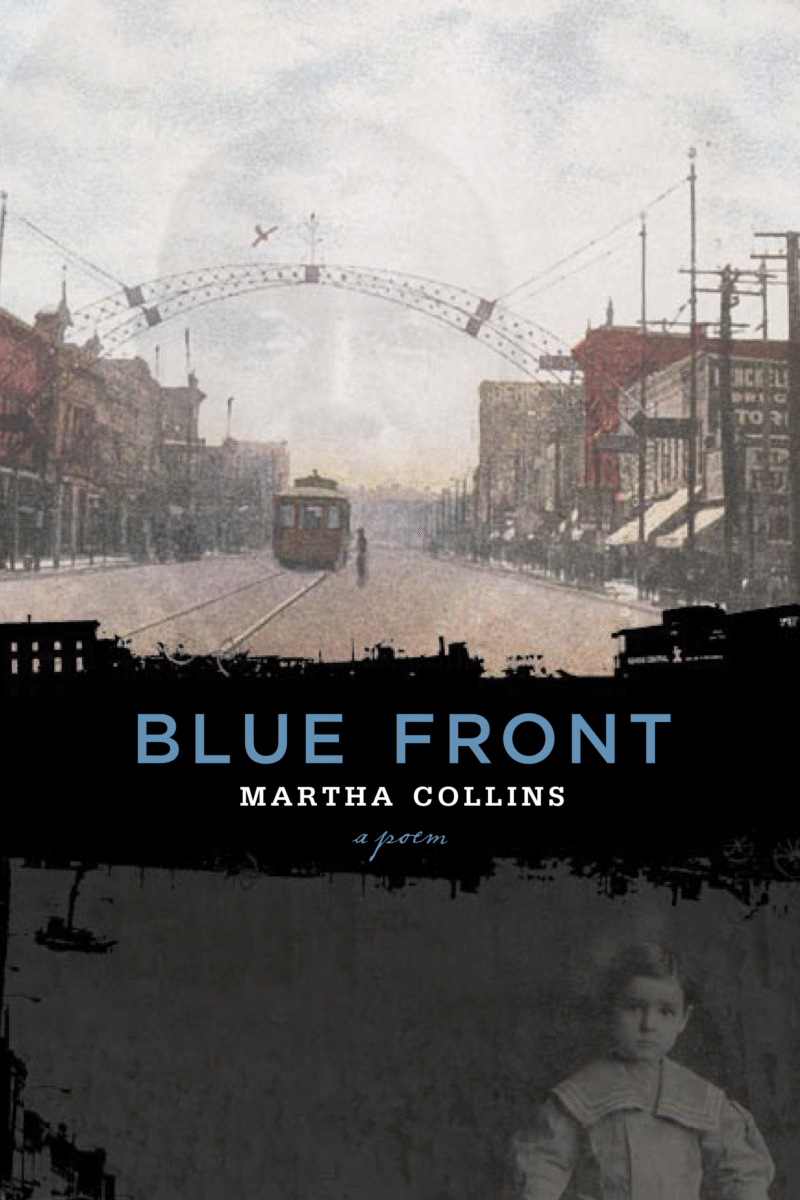
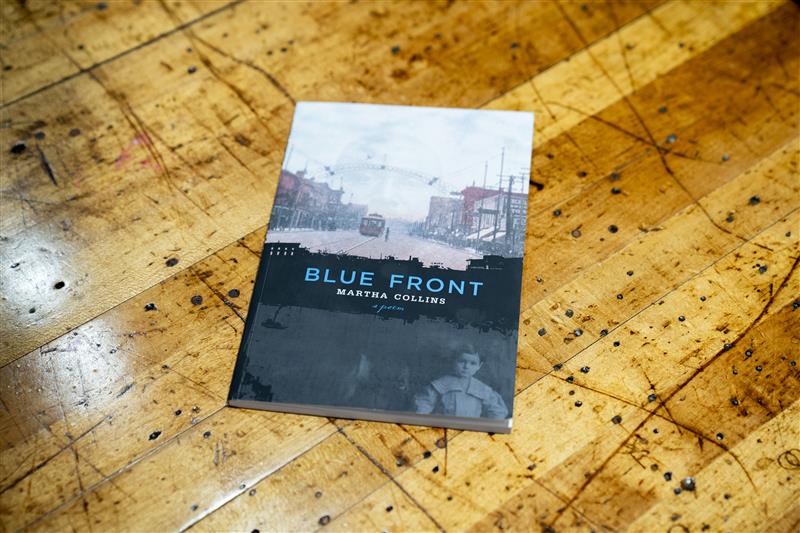
April’s Selection: 2007 Fiction Winner, Blue Front, by Martha Collins
Martha Collins’, Blue Front, the book-length poem based on a lynching her father witnessed when he was five years old in Cairo, Illinois, was also chosen as one of “25 Books to Remember from 2006” by the New York Public Library and won an Ohioana Book Award. A selection of poems from Blue Front received the Laurence Goldstein Poetry Prize in 2005. The author of four previous poetry collections, including Some Things Words Can Do, Collins has also published two books of co-translations of Vietnamese poetry.
Whether you are hosting your next book club or would simply like some questions to guide your reading, program director of the Anisfield-Wolf Book Awards, Kortney Morrow, has curated a selection of questions to consider while you read Blue Front.
Did you enjoy reading Blue Front? If so, we recommend the following books to add to your reading list!
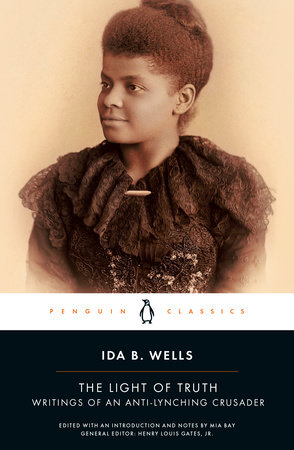
The Light of Truth, Ida B. Wells
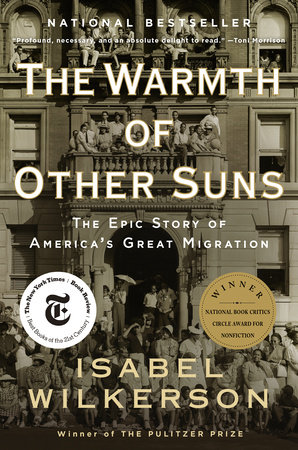
The Warmth of Other Suns, Isabel Wilkerson
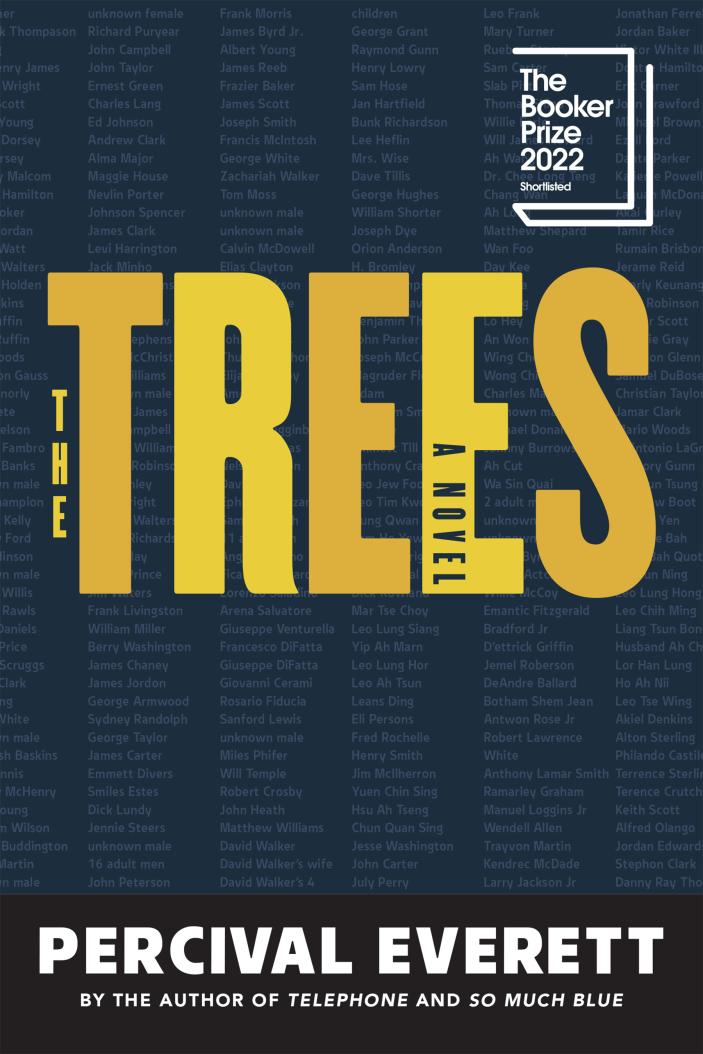
The Trees, Percival Everett
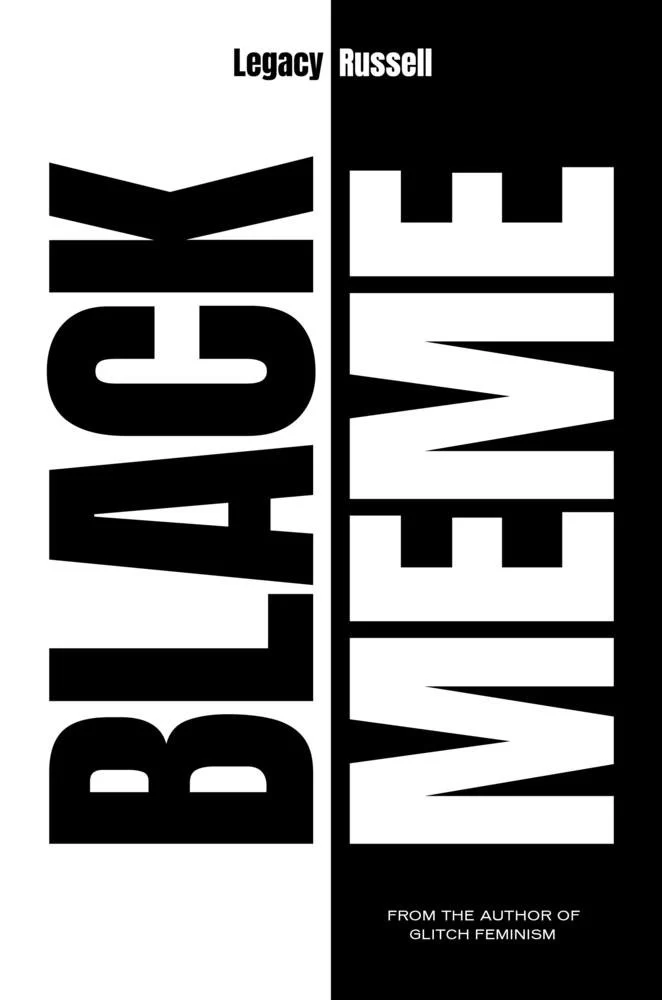
Black Meme, Legacy Russell
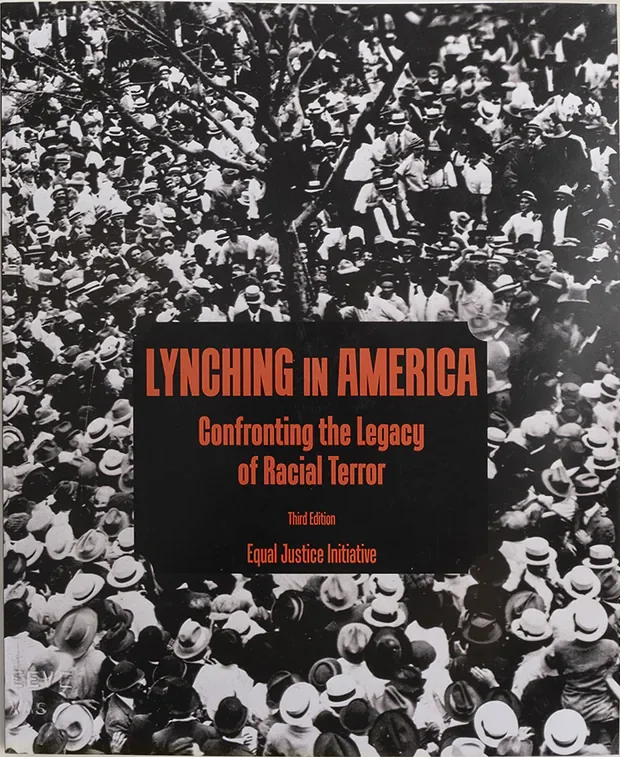
Lynching in America Report, Equal Justice Initiative
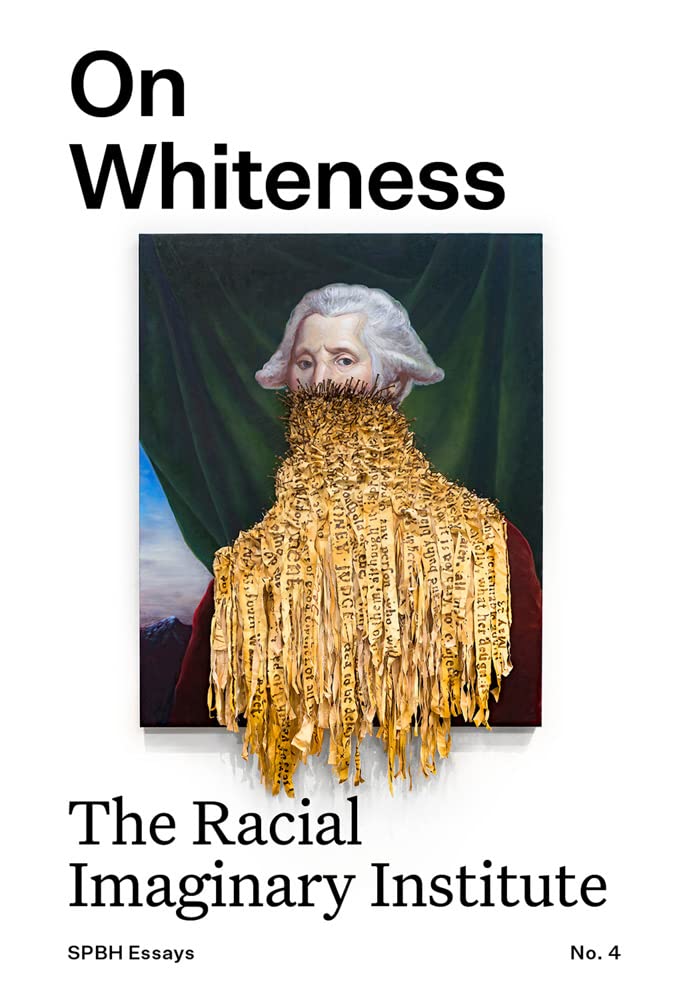
On Whiteness, Claudia Rankine
NEW YORK, NY – April 15, 2026 – In a milestone year for the prize, four groundbreaking works by debut authors have been named winners of the 2026 Anisfield-Wolf Book Awards (AWBA), the nation’s only endowed juried prize dedicated to literature that contributes to our understanding of race and our appreciation of the rich diversity of human cultures.
Selected by a distinguished jury chaired by Pulitzer Prize–winning poet Natasha Trethewey, this year’s winners reflect both the emergence of bold new literary voices and the prize’s growing national prominence—underscored by a recent historic increase in award money that places AWBA among the country’s most significant literary honors.
The 2026 winners are:
Fiction:Make Your Way Home by Carrie R. Moore
Nonfiction:Born in Flames: The Business of Arson and the Remaking of the American City by Bench Ansfield
Memoir:The Hollow Half: A Memoir of Bodies and Borders by Sarah Aziza
Poetry: Death Does Not End at the Sea by Gbenga Adesina
Pioneering historian Nell Irvin Painter has also received the Lifetime Achievement Award, honoring her transformative role in reshaping how we understand history, race, and identity in America. Known for her groundbreaking work on race and the American experience, particularly The History of White People, which reframes “whiteness” as a constructed and evolving category rather than a fixed identity.
For the first time in prize history, the winners were announced today in New York City at a private luncheon bringing together the honorees, jurors, and literary stakeholders—marking a new chapter in the award’s national reach and visibility.
“It is never easy to choose a single work in each genre from so many excellent books published each year,” said jury chair Natasha Trethewey. “That each of this year’s winners is a debut makes the honor all the more profound—new voices, already essential. These books matter because they deepen our understanding, enlarge our empathy, and remind us of literature’s power to illuminate who we are.”
Founded in 1935 by poet and philanthropist Edith Anisfield Wolf, the Anisfield-Wolf Book Awards remain the only national endowed juried prize recognizing books that contribute to our understanding of race and foster an appreciation of cultural diversity. Its legacy includes writers such as Zora Neale Hurston, Langston Hughes, Martin Luther King Jr., Nadine Gordimer, Wole Soyinka, Toni Morrison, Isabel Wilkerson, and Colson Whitehead—writers whose workhas shaped discourse on race and identity.
“The Anisfield-Wolf Book Awards were born of Edith’s conviction that literature can confront prejudice and deepen our shared humanity,” said Lillian Kuri, president and CEO of the Cleveland Foundation. “To announce these prizes in New York City today is to extend that legacy on a national stage—ensuring these vital voices are heard. More than 90 years later, the prize feels more urgent than ever—amplifying work that not only reveals the world as it is, but compels us to imagine what it might become.”
This year’s winners were selected by a jury of leading writers and scholars: AWBA-winning novelist Peter Ho Davies; bestselling AWBA-winning writer and scholar Charles King; AWBA-winning writer and American historian Tiya Miles; and critically acclaimed author Luis Alberto Urrea, alongside Chair Trethewey. Together, they continue the prize’s enduring commitment to literary excellence, intellectual rigor, and cultural impact.
About the 2026 Winners:
Lifetime Achievement: Nell Irvin Painter
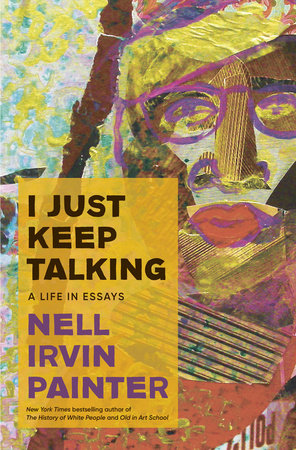
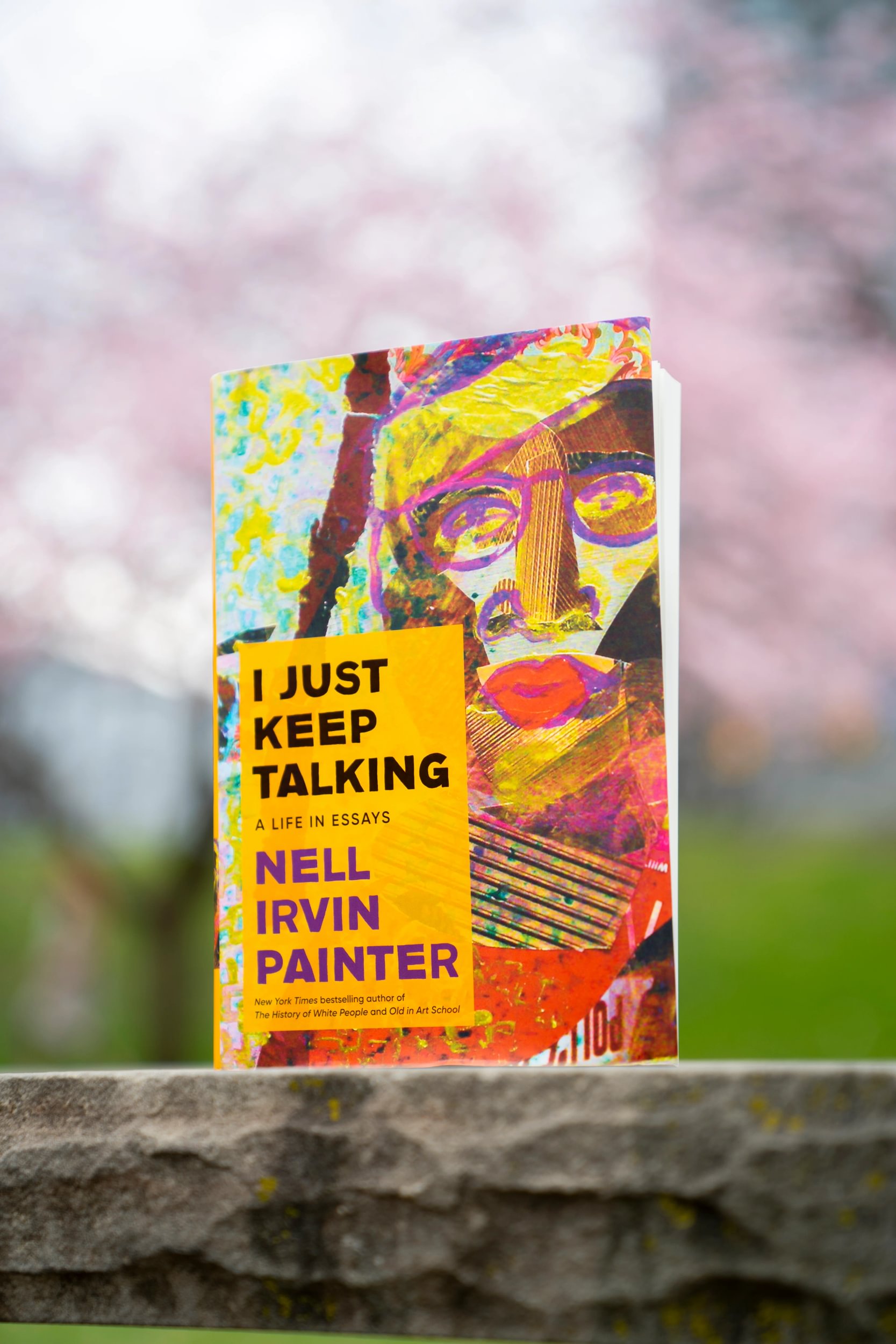
Nell Irvin Painter, Edwards Professor of American History, Emerita, Princeton University, is the author of books including: The New York Times bestseller The History of White People, Sojourner Truth, A Life, A Symbol and the National Book Critics Circle finalist Old in Art School: A Memoir of Starting Over. A Fellow of the American Academy of Arts and Sciences since 2007, Painter has received honorary degrees from Yale University, Wesleyan University, the University of North Carolina at Chapel Hill and Dartmouth. After a Ph.D. in history from Harvard, she earned degrees in painting from Mason Gross School of the Arts at Rutgers and the Rhode Island School of Design. Her most recent essay collection, I Just Keep Talking: A Life in Essays (Doubleday 2024) was a 2024 New York Times Notable Book of the Year. Painter lives and works in East Orange, New Jersey.
Carrie R. Moore is a Georgia native, currently living in Texas. She earned her MFA in Fiction at The Michener Center for Writers at The University of Texas. Her writing has appeared in The Best American Short Stories, Oprah Daily, The Sewanee Review, One Story, American Short Fiction, and other publications. Moore’s debut short story collection, Make Your Way Home, explores Black love and longing in the American South. Anisfield-Wolf juror and acclaimed novelist Peter Ho Davies writes, “This is the debut of a preternaturally mature artist, the stories so richly realized, their characters so deeply known that they feel novelistic in their depth and resonance.”
Gbenga Adesina is a Nigerian poet and essayist. He received his MFA from New York University, where he was a Goldwater Fellow and was mentored by Yusef Komunyakaa. His work has been published in the Harvard Review, Prairie Schooner, TheYale Review, TheNew York Times and elsewhere. Adesina’s debut collection, Death Does Not End at the Sea, was the Winner of the Raz/Shumaker Prairie Schooner Book Prize in Poetry. Anisfield-Wolf Jury Chair, Natasha Trethewey, notes “At the heart of Gbenga Adesina’s haunting, elegiac collection is the stunning titular poem, ‘Death Does Not End at the Sea,’ a meditation on the difficult journeys—both spiritual and physical—undertaken by migrants, people fleeing troubled lands, with the hope of new lives.”
Bench Ansfield is a historian of racial capitalism, the carceral state, and twentieth-century U.S. cities. They are an Assistant Professor of History at Temple University, and they hold a Ph.D. in American Studies from Yale University. Born in Flames was named one of the 100 Notable Books of 2025 by the New York Times and one of the 100 Best Nonfiction Books of the Year by Kirkus Reviews. Anisfield-Wolf juror and historian Tiya Miles notes, “Born in Flames is an exceptional work of urban history that awakens readers to an entire phenomenon of complex racial, financial, and governmental entanglements long overlooked in scholarly and popular accounts.”
Sarah Aziza is a Palestinian American writer, translator, and artist. Her award-winning writing has appeared in The New Yorker, The Paris Review, Best American Essays, The Baffler, Harper’s Magazine, Mizna, The Washington Post, The Guardian, and The Nation, among others. The recipient of support from Fulbright, MacDowell, the Asian American Writers Workshop, Tin House Writers’ Workshop, and the Pulitzer Center for Crisis Reporting, Aziza has lived and worked in Saudi Arabia, Algeria, Jordan, South Africa, Palestine, and the United States. Anisfield-Wolf juror and historian Charles King writes, “Throughout The Hollow Half, Aziza weaves personal narrative with history and laces both with the revelatory beauty of the Arabic language. Words bear their own secrets, of lost lives and shadow ideas, of home, horrors, and healing.”
New Award Updates:
This year’s winners will journey to Cleveland for a two-day festival-style celebration, including the annual Anisfield-Wolf Book Awards ceremony which will take place on September 18 at the Maltz Performing Arts Center.
The Anisfield-Wolf Book Awards have announced the addition of another distinguished author to its jury: Jericho Brown. Brown is a Pulitzer Prize winning poet and currently serves as Director of the Creative Writing Program at Emory University. He won the Anisfield-Wolf Book Award in 2015 for his second poetry collection, The New Testament. Winner of the Whiting Award and the American Book Award, Brown’s numerous accolades also include fellowships from the Guggenheim Foundation, the Radcliffe Institute for Advanced Study at Harvard, and the National Endowment for the Arts.
The Anisfield-Wolf Book Awards submission process for this year is now open. For books published and copyrighted in 2026, the submission period will end on October 16, 2026. For more information on the submission guidelines, please visit https://www.anisfield-wolf.org/submissions/.
About the Anisfield-Wolf Book Awards The Anisfield-Wolf Book Awards recognize books that have made important contributions to our understanding of race and human diversity. Established in 1935 by poet and philanthropist Edith Anisfield Wolf, the awards are the only national endowed juried prize for literature that explores race and celebrates diversity. The Anisfield-Wolf Book Awards are administered by the Cleveland Foundation. For more information follow us on Facebook, X, Threads, and Instagram.
About the Cleveland Foundation Established in 1914, the Cleveland Foundation is the world’s first community foundation – and one of the largest today. Through the generosity of donors, the foundation improves the lives of residents of Cuyahoga, Lake and Geauga counties by building community endowment, addressing needs through grantmaking and providing leadership on vital issues. Our vision is a vibrant Northeast Ohio where no Clevelander is left behind. For more information, visit ClevelandFoundation.org and follow us on LinkedIn, Facebook, Instagram, Threads, and YouTube.
Explore thoughtful book discussion questions, exclusive author content, and thoughts on the winning books from AWBA program director, jurors and partners each month through our Anisfield-Wolf Book Club!
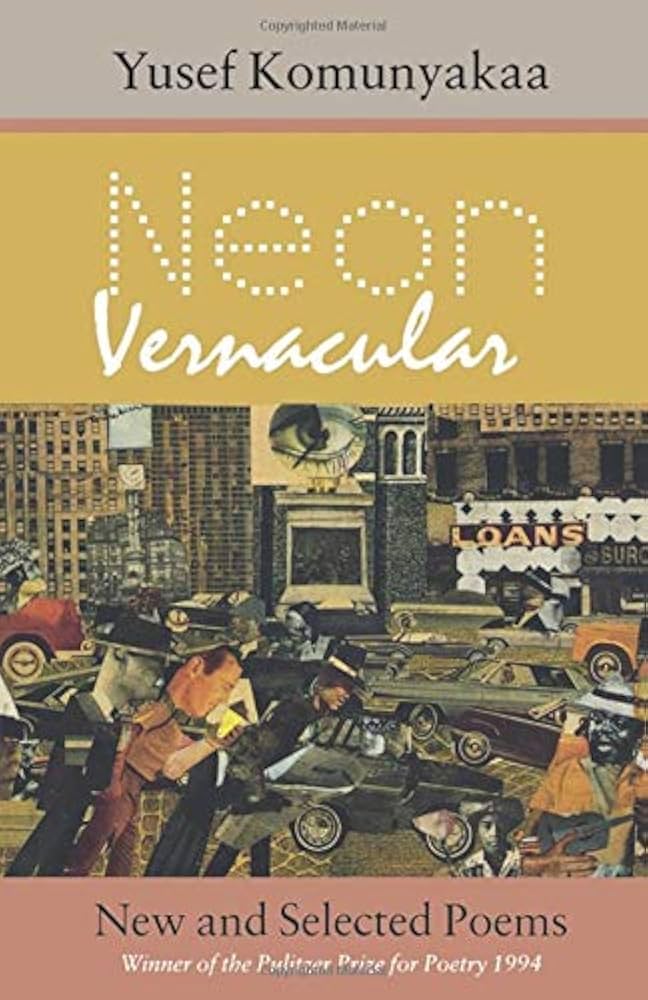
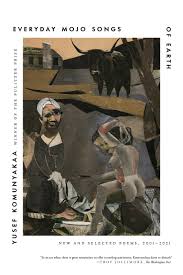
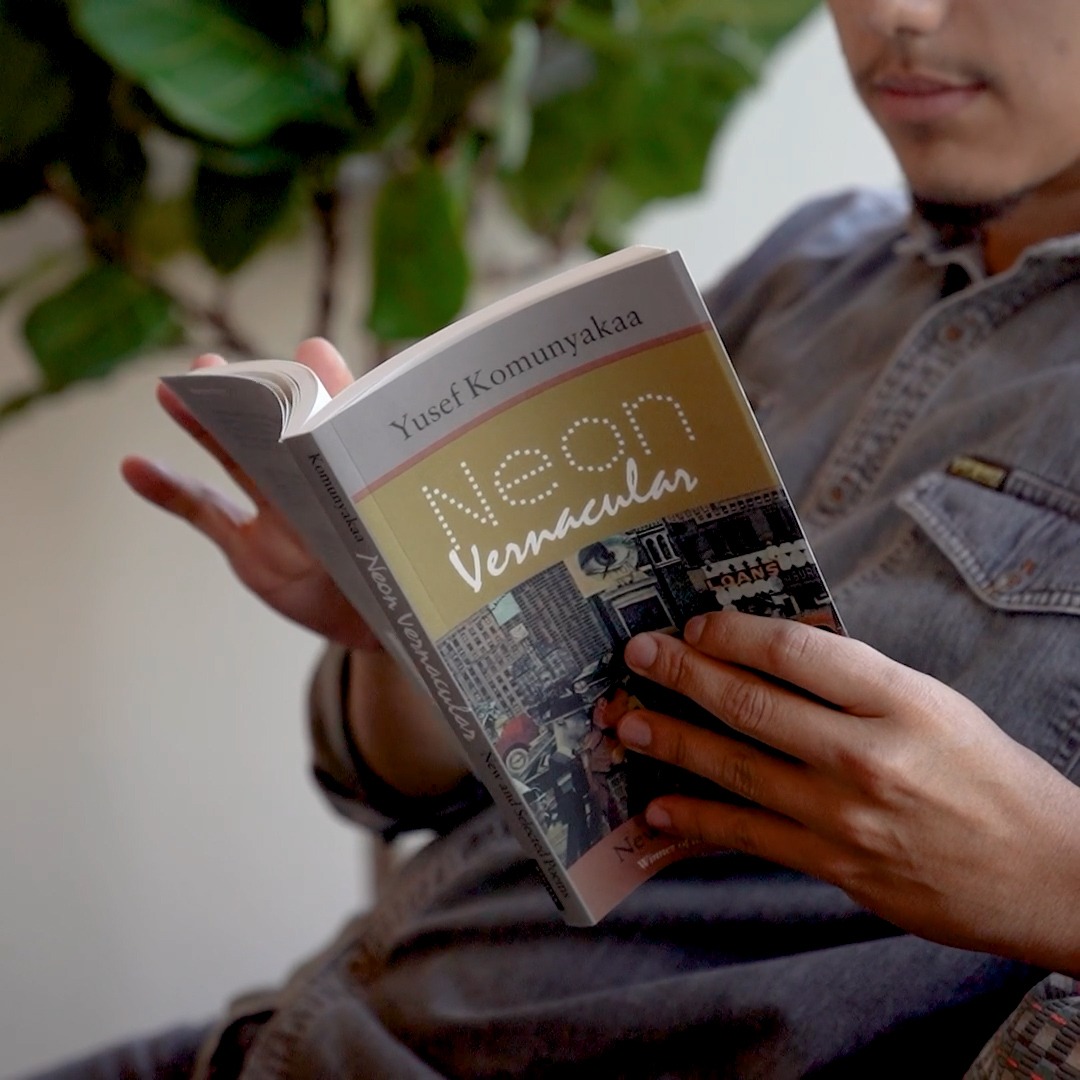
The winner of this year’s Lifetime Achievement Award goes to one of the most prolific poets of the 21st century, Yusef Komunyakaa. Yusef Komunyakaa’s contributions over half a century have not only shaped the literary landscape but have altered how we view the world.
Whether you are hosting your next book club or would simply like some questions to guide your reading, program director of the Anisfield-Wolf Book Awards, Kortney Morrow, has curated a selection of questions to consider while you read Yusef Komunyakaa’s poetry.
Did you enjoy reading Yusef Komunyakaa’s work? If so, we recommend the following books to add to your reading list!
This year our jury selected 11 incredible books as finalists for the Anisfield-Wolf Book Awards. Learn more about this year’s finalists with descriptions from their publishers before we announce our winners on April 15.
Death Does Not End At The Sea by Gbenga Adesina University of Nebraska Press, 2025
In Gbenga Adesina’s groundbreaking debut book of poems, a defiant and wise exploration of exile, voyages, and spiritual odysseys, we encounter figures embarking on journeys haunted by history—a son keeps dreaming he carried his dead father across the sea; a young Black father, tired of fear and breathlessness, travels with his son in search of the ghost of James Baldwin—to Paris, the south of France, Turkey, and Senegal to investigate his ancestral roots; and finally, a group of immigrants on small boats in the middle of the Mediterranean Sea sing in order not to drown, in a stunning sequence that invokes the middle passage. In a lyrical voice at once new and surprisingly ancient, Adesina’s Death Does Not End at the Sea explores the complexity of elusive citizenship, an immigrant’s brokenhearted prayer for a new beginning, a chorus of elegies, and a cosmic love song between the living and the dead.
Born in Flames: The Business of Arson and the Remaking of an American City by Bench Ansfield W.W. Norton & Company, 2025
The explosive account of the arson wave that hit the Bronx and other American cities in the 1970s—and its legacy today.
“Ladies and gentlemen, the Bronx is burning!” That legendary and apocryphal phrase, allegedly uttered by announcers during the 1977 World Series as flames rose above Yankee Stadium, seemed to encapsulate an entire era in this nation’s urban history. Across that decade, a wave of arson coursed through American cities, destroying entire neighborhoods home to poor communities of color.
Yet as historian Bench Ansfield demonstrates in Born in Flames, the most destructive fires were not set by residents, as is commonly assumed, but by landlords looking to collect insurance payouts. Driven by perverse incentives—new government-sponsored insurance combined with tanking property values—landlords hired “torches,” mostly Black and Brown youth, to set fires in the buildings, sometimes with people still living in them. Tens of thousands of families lost their homes to these blazes, yet for much of the 1970s, tenant vandalism and welfare fraud stood as the prevailing explanations for the arson wave, effectively indemnifying landlords.
Ansfield’s book, based on a decade of research, introduces the term “brownlining” for the destructive insurance practices imposed on poor communities of color under the guise of racial redress. Ansfield shows that as the FIRE industries—finance, insurance, and real estate— eclipsed manufacturing in the 1970s, they began profoundly reshaping Black and Brown neighborhoods, seeing them as easy sources of profit. At every step, Ansfield charts the tenant-led resistance movements that sprung up in the Bronx and elsewhere, as well as the explosion of popular culture around the fires, from iconic movies like The Towering Inferno to hit songs such as “Disco Inferno.” Ultimately, they show how similarly pernicious dynamics around insurance and race are still at play in our own era, especially in regions most at risk of climate shocks.
The Hollow Half: A Memoir of Bodies and Borders by Sarah Aziza Catapult, 2025
A brush with death. An ancestral haunting. A century of family secrets. Sarah Aziza’s searing, genre-bending memoir traces three generations of diasporic Palestinians from Gaza to the Midwest to New York City—and back
“You were dead, Sarah, you were dead.” In October 2019, Sarah Aziza, daughter and granddaughter of Gazan refugees, is narrowly saved after being hospitalized for an eating disorder. The doctors revive her body, but it is no simple thing to return to the land of the living. Aziza’s crisis is a rupture that brings both her ancestral and personal past into vivid presence. The hauntings begin in the hospital cafeteria, when a mysterious incident summons the familiar voice of her deceased Palestinian grandmother.
In the months following, as she responds to a series of ghostly dreams, Aziza unearths family secrets that reveal the ways her own trauma and anorexia echo generations of violent Palestinian displacement and erasure—and how her fight to recover builds on a century of defiant survival and love. As she moves towards this legacy, Aziza learns to resist the forces of colonization, denial, and patriarchy both within and outside her.
Weaving timelines, languages, geographies, and genres, The Hollow Half probes the contradictions and contingencies that create “nation” and “history.” Blazing with honesty, urgency, and poetry, this stunning debut memoir is a fearless call to imagine both the self and the world anew.
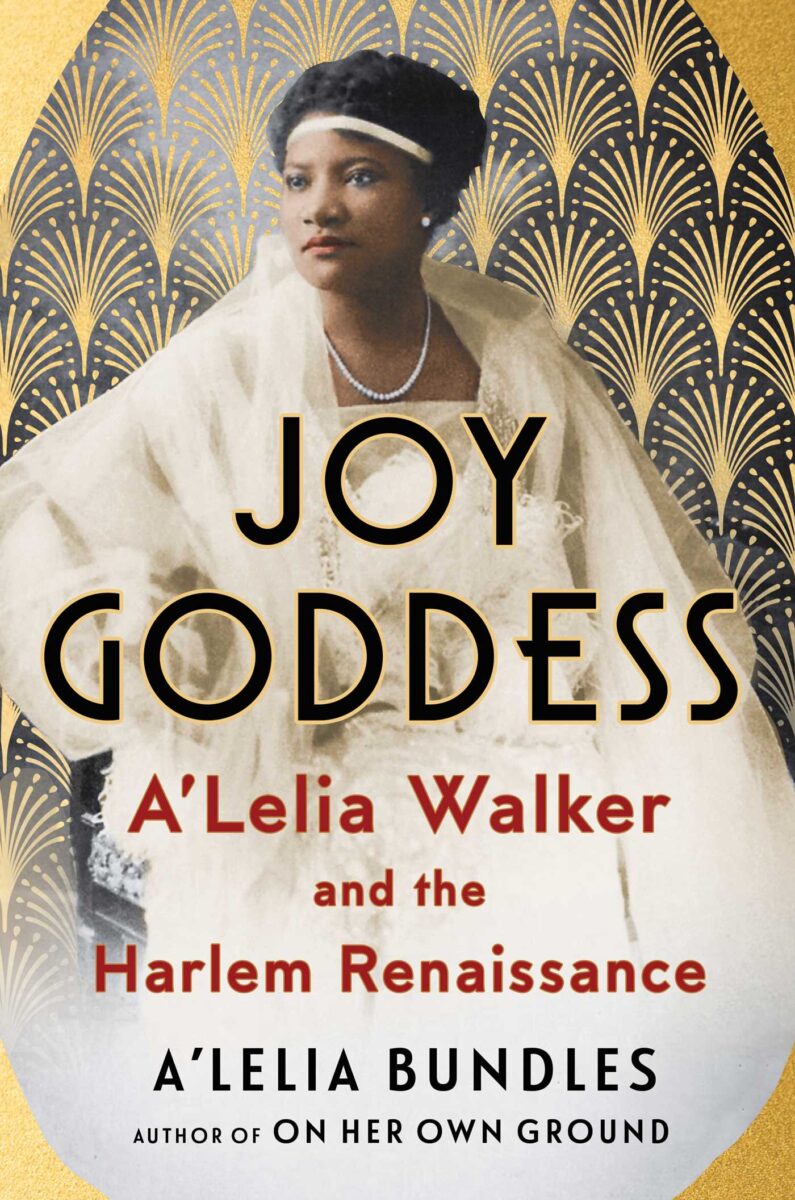
Joy Goddess: A’Lelia Walker and the Harlem Renaissance by A’Lelia Bundles Simon & Schuster, Scribner Books (Imprint) 2025
A vibrant, deeply researched biography of A’Lelia Walker—daughter of Madam C.J. Walker and herself a central figure of the Harlem Renaissance—written by her great-granddaughter.
Dubbed the “joy goddess of Harlem’s 1920s” by poet Langston Hughes, A’Lelia Walker, daughter of millionaire entrepreneur Madam C.J. Walker and the author’s great-grandmother and namesake, is a fascinating figure whose legendary parties and Dark Tower salon helped define the Harlem Renaissance.
After inheriting her mother’s hair care enterprise, A’Lelia would become America’s first high profile black heiress and a prominent patron of the arts. Joy Goddess takes readers inside her three New York homes—a mansion, a townhouse, and a pied-a-terre—where she entertained Langston Hughes, Zora Neale Hurston, Paul Robeson, Florence Mills, James Weldon Johnson, Carl Van Vechten, W.E.B. DuBois, and other cultural, social and intellectual luminaries of the Roaring Twenties.
Now, based on extensive research and Walker’s personal correspondence, her great-granddaughter creates a meticulous, nuanced portrait of a charismatic woman struggling to define herself as a wife, mother, and businesswoman outside her famous mother’s sphere. In Joy Goddess, A’Lelia’s radiant personality and impresario instincts—at the center of a vast, artistic social world where she flourished as a fashion trendsetter and international traveler—are brought to vivid and unforgettable life.
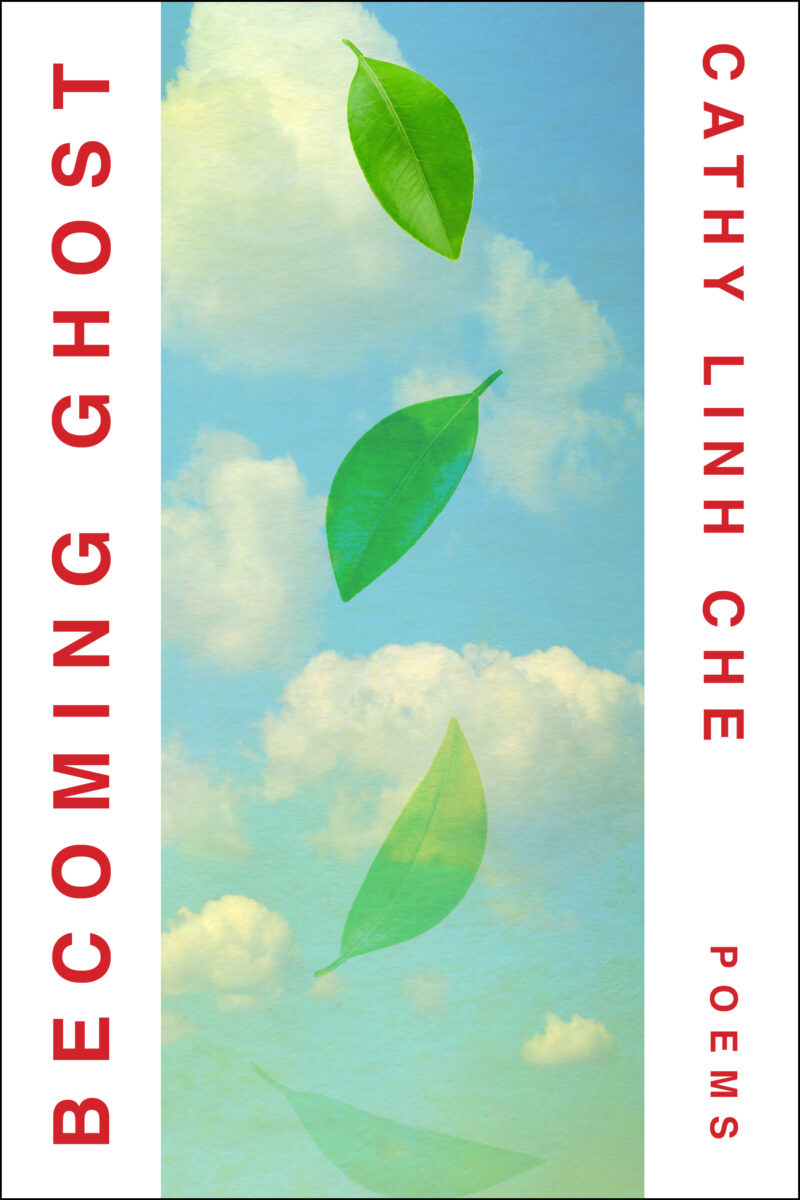
Becoming Ghost by Cathy Linh Che Simon & Schuster, Atria Books/Washington Square Press (imprint), 2025
The long-awaited second poetry collection by award-winning writer Cathy Linh Che on familial estrangement, the Vietnam War, and Francis Ford Coppola’s Apocalypse Now.
The follow-up to her acclaimed poetry debut, Split, Becoming Ghost details the lives of refugees who escaped the Vietnam War and were utilized as extras in Francis Ford Coppola’s film Apocalypse Now. This poetry collection uses persona, speculation, and the golden shovel form as a means of centering Vietnamese voices. The speaker’s disownment raises questions about power, art, and the meaning of forgiveness.
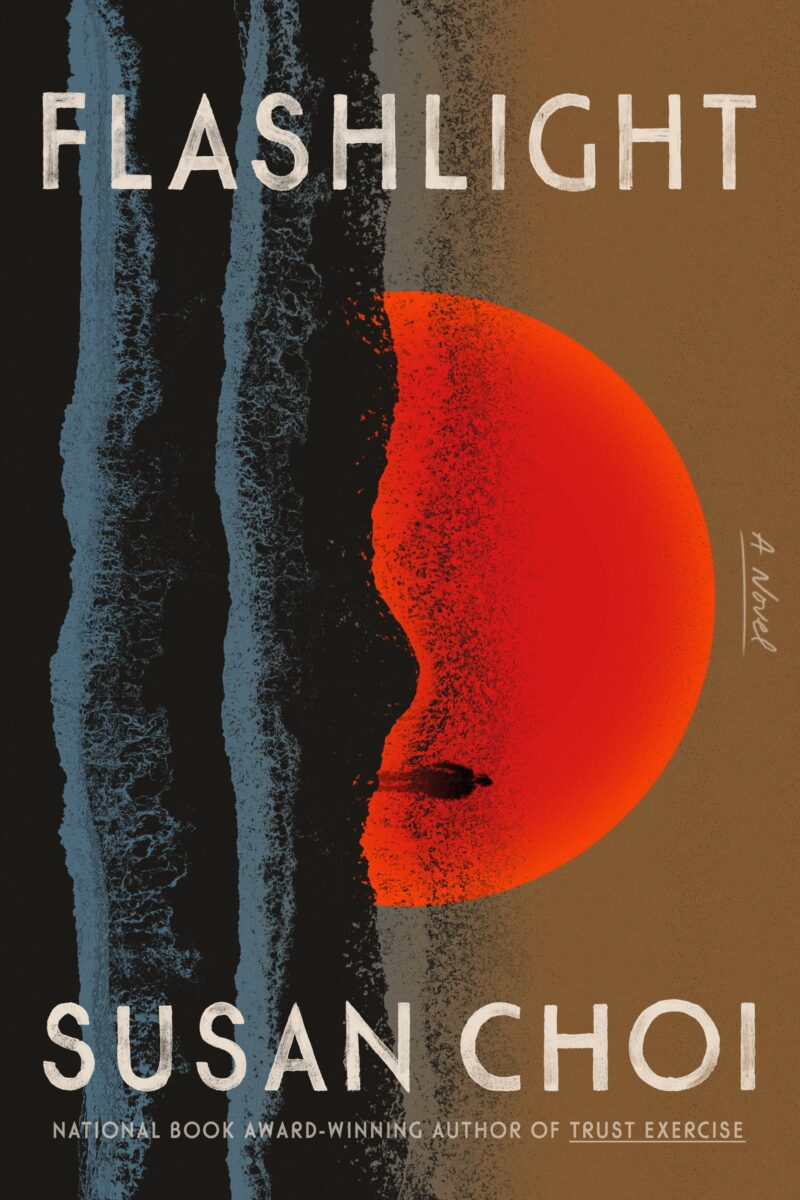
Flashlight by Susan Choi Farrar, Straus and Giroux, 2025
A novel tracing a father’s disappearance across time, nations, and memory, from the author of Trust Exercise.
One summer night, Louisa and her father take a walk on the breakwater. Her father is carrying a flashlight. He cannot swim. Later, Louisa is found on the beach, soaked to the skin, barely alive. Her father is gone. She is ten years old.
Louisa is an only child of parents who have severed themselves from the past. Her father, Serk, is Korean, but was born and raised in Japan; he lost touch with his family when they bought into the promises of postwar Pyongyang and relocated to North Korea. Her American mother, Anne, is estranged from her Midwestern family after a reckless adventure in her youth. And then there is Tobias, Anne’s illegitimate son, whose reappearance in their lives will have astonishing consequences.
But now it is just Anne and Louisa, Louisa and Anne, adrift and facing the challenges of ordinary life in the wake of great loss. United, separated, and also repelled by their mutual grief, they attempt to move on. But they cannot escape the echoes of that night. What really happened to Louisa’s father?
Shifting perspectives across time and character and turning back again and again to that night by the sea, Flashlight chases the shock waves of one family’s catastrophe, even as they are swept up in the invisible currents of history.
A monumental new novel from the National Book Award winner Susan Choi, Flashlight spans decades and continents in a spellbinding, heart-gripping investigation of family, loss, memory, and the ways in which we are shaped by what we cannot see.
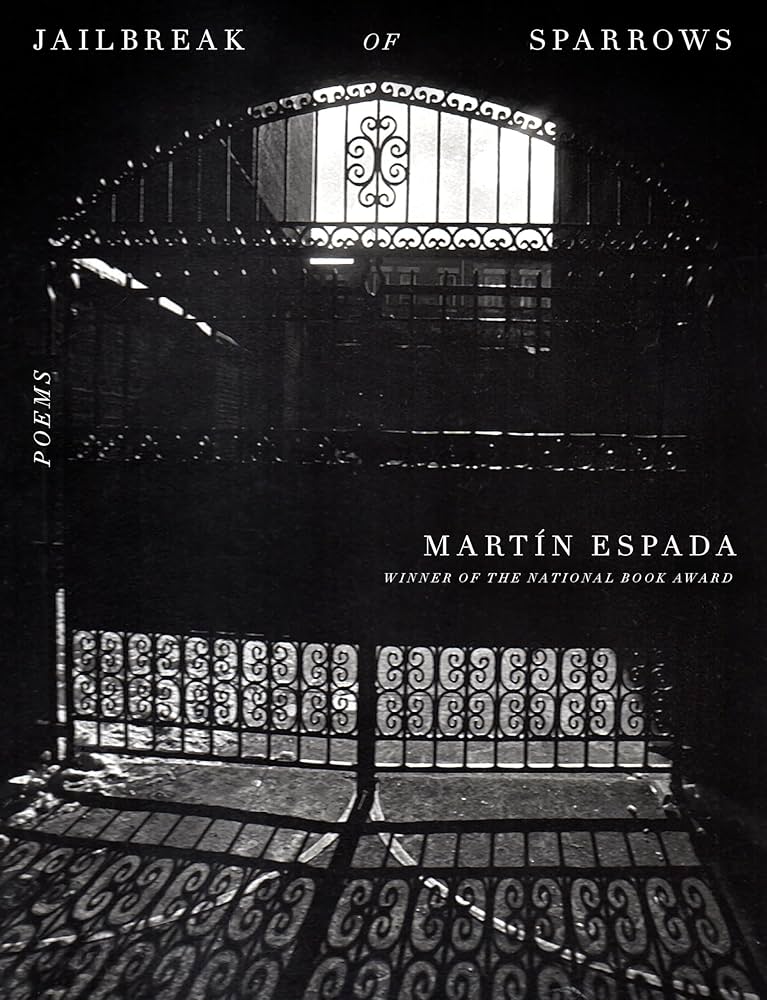
Jailbreak of Sparrows by Martín Espada Tin House, 2025
The poems in Jailbreak of Sparrows reveal the ways in which the ordinary becomes monumental: family portraits, politically charged reports, and tributes to the unsung. Espada’s focus ranges from the bombardment of his family’s hometown in Puerto Rico amid an anti-colonial uprising to the murder of a Mexican man by police in California, from the poet’s adolescent brawl on a basketball court over martyred baseball hero Roberto Clemente to his unorthodox methods of representing undocumented migrants as a tenant lawyer. We also encounter “love songs” to the poet’s wife from a series of unexpected voices: a bat with vertigo, the polar bear mascot for a minor league ballclub, a disembodied head in a jar.
Jailbreak of Sparrows is a collection of arresting poems that roots itself in the image, the musicality of language, and the depth of human experience. “Look at this was all he said, and all he had to say,” the poet says about his father, a photographer who documented his Puerto Rican community in Brooklyn and beyond. The poems of Martín Espada tell us: Look.
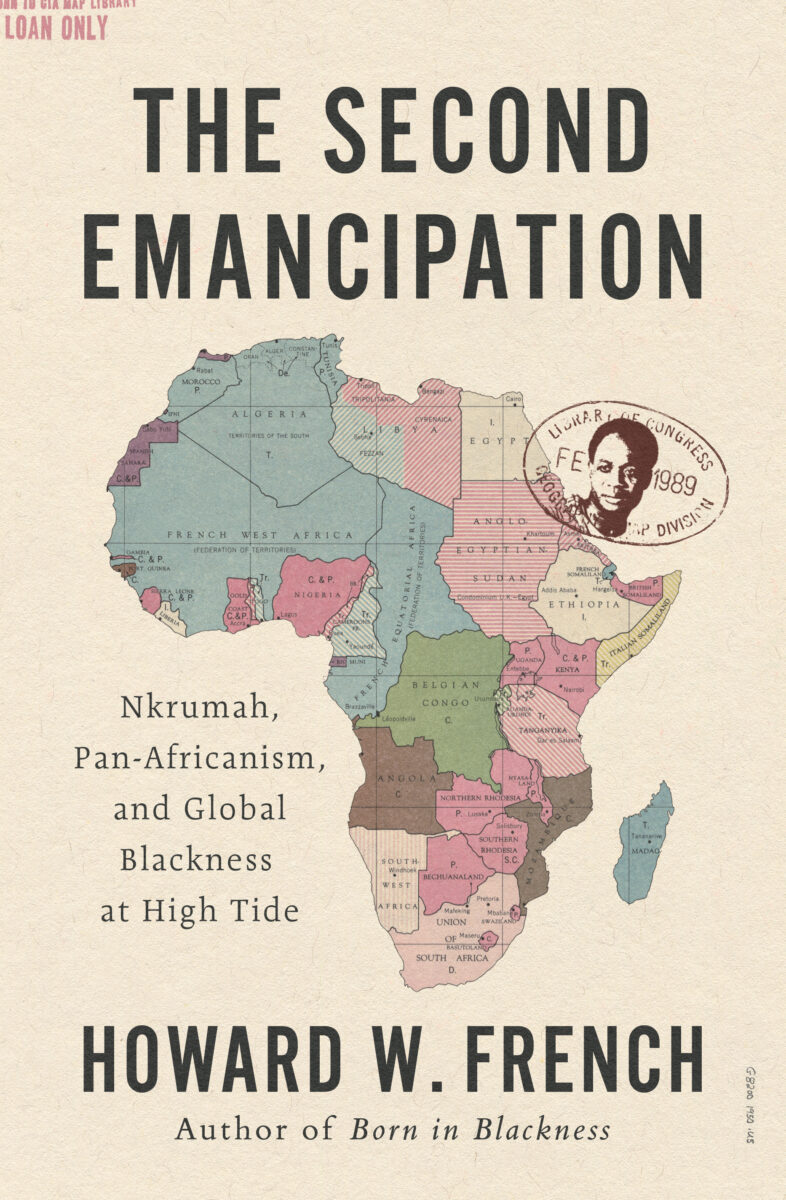
The Second Emancipation: Nkrumah, Pan-Africanism, and Global Blackness at High Tide by Howard W. French W.W. Norton & Company, Liveright Publishing (Imprint) 2025
The Second Emancipation, the second work in a trilogy from best-selling author Howard W. French about Africa’s pivotal role in shaping world history, underscores Adam Hochschild’s contention that French is a “modern-day Copernicus.” The title—referring to a brief period beginning in 1957 when dozens of African colonies gained their freedom—positions this liberation at the center of a “movement of global Blackness,” with one charismatic leader, Kwame Nkrumah (1909–1972), at its head.
That so few people today know about Nkrumah is an omission that French demonstrates is “typical of our deliberate neglect of Africa’s enormous role in the birth of the modern world.” Determined to re-create Nkrumah’s life as “an epic twentieth-century story,” The Second Emancipation begins with his impoverished, unheralded birth in the far-western region of Ghana’s Gold Coast. But blessed with a deep curiosity, a young Nkrumah pursued an overseas education in the United States. Nowhere is French’s consummate style more vivid than in Nkrumah’s early years in Depression-era America, especially in his mesmerizing portrait of a culturally effervescent Harlem that Nkrumah encountered in 1935 before heading to college. During his student years in Pennsylvania and later as an activist in London, Nkrumah became steeped in a renowned international Black intellectual milieu—including Du Bois, Garvey, Fanon, Padmore, and C.L.R. James, who called him “one of the greatest political leaders of our century”—and formed an ideology that readied him for an extraordinarily swift and peaceful rise to power upon his return to Ghana in 1947.
Four years later, in a political landslide he engineered while imprisoned, Nkrumah stunned Britain by winning the first general election under universal franchise in Africa, becoming Ghana’s first independent prime minister in 1957. As leader of a sovereign nation, Nkrumah wielded his influence to promote the liberation of the entire continent, pushing unity as the only pathway to recover from the damages of enslavement and subjugation. By the time national military and police forces, aided by the CIA, overthrew him in 1966, Nkrumah’s radical belief in pan-African liberation had both galvanized dozens of nascent African states and fired a global agenda of Black power.
In its dramatic recasting of the American civil rights story and in its tragic depiction of a continent that once exuded all the promise of a newly won freedom, The Second Emancipation becomes a generational work that positions Africa at the forefront of modern-day history.
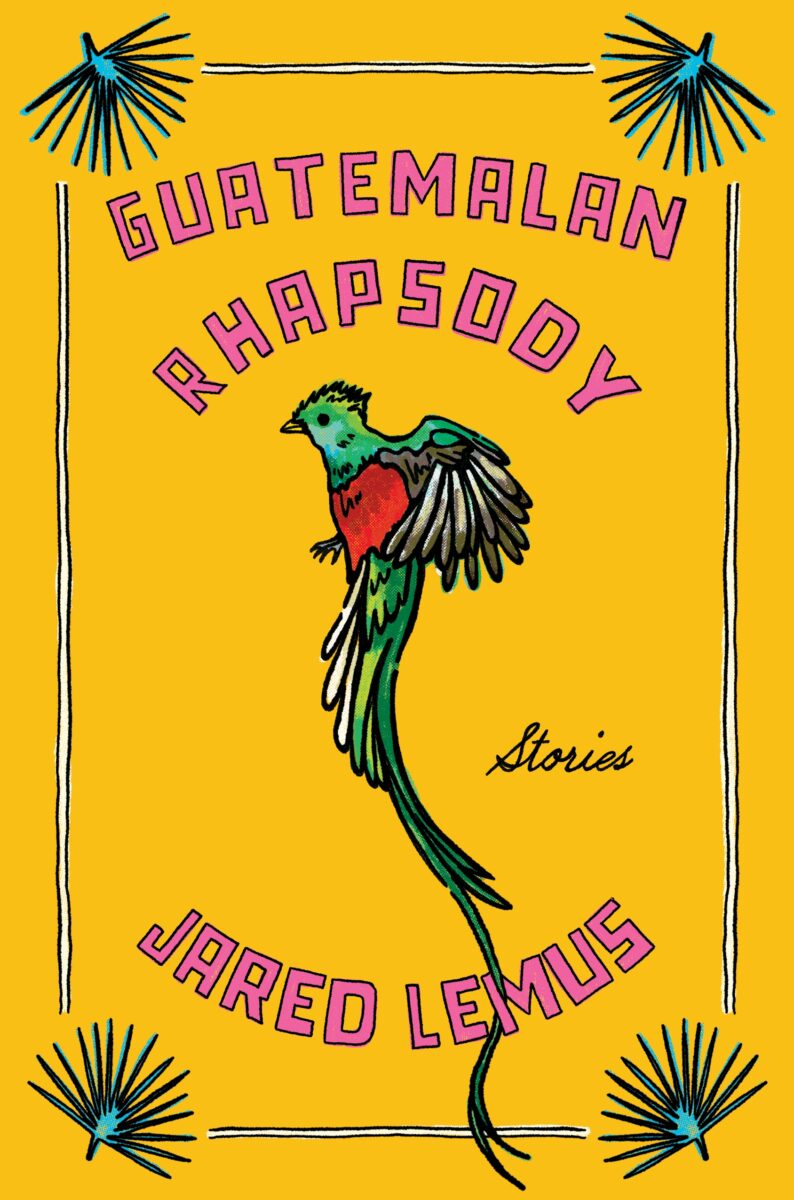
Guatemalan Rhapsody by Jared Lemus HarperCollins, Ecco (imprint), 2025
A vibrant debut story collection masterfully moving between sharp wit and profound tenderness, and a kaleidoscopic portrait of an ever-changing country.
Ranging from a custodian at an underfunded college to a medicine man living in a temple dedicated to San Simon, the patron saint of alcohol and cigarettes, the characters in Guatemalan Rhapsody find themselves at defining moments in their lives, where sacrifices may be required of them, by them, or for them.
In “Saint Dismas,” four orphaned brothers pose as part of a construction crew, stopping cars along the highway and robbing anyone stupid enough foolish enough to hit the brakes. In “Heart Sleeves,” two wannabe tattoo artists take part in a contest, where one of them hopes to win not only first place but also the heart of his best friend’s girlfriend. And, in “Fight Sounds,” a character who fancies himself a Don Juan is swept up in the commotion of an American film crew shooting a movie in his tiny town, until the economic and sexual politics of the place are turned on their heads.
Guatemalan Rhapsody explores how we journey from the circumstances that forge us and whether the ability to change our fortunes lies in our own hands or in those of another. Revealing the places where beauty, desperation, love, violence, and hope exist simultaneously, Jared Lemus’s poignant, unflinching debut establishes him as a major new voice in the form.
Make Your Way Home by Carrie R. Moore Tin House, 2025
In eleven stories that span Florida marshes, North Carolina mountains, and Southern metropolitan cities, Make Your Way Home follows Black men and women who grapple with the homes that have eluded them. A preteen pregnant alongside her mother refuses to let convention dictate who she names as the father of her child. Centuries after slavery separated his ancestors, a native Texan tries to win over the love of his life despite the grip of a family curse. A young deaconess who falls for a new church member wonders what it means when God stops speaking to her. And at the very end of the South as we know it, two sisters seek to escape North to freedom, to promises of a more stable climate.
Artfully and precisely drawn, and steeped in place and history as it explores themes of belonging, inheritance, and deep intimacy, Carrie R. Moore’s debut collection announces an extraordinary new talent in American fiction, inviting us all to examine how the past shapes our present—and how our present choices will echo for years to come.
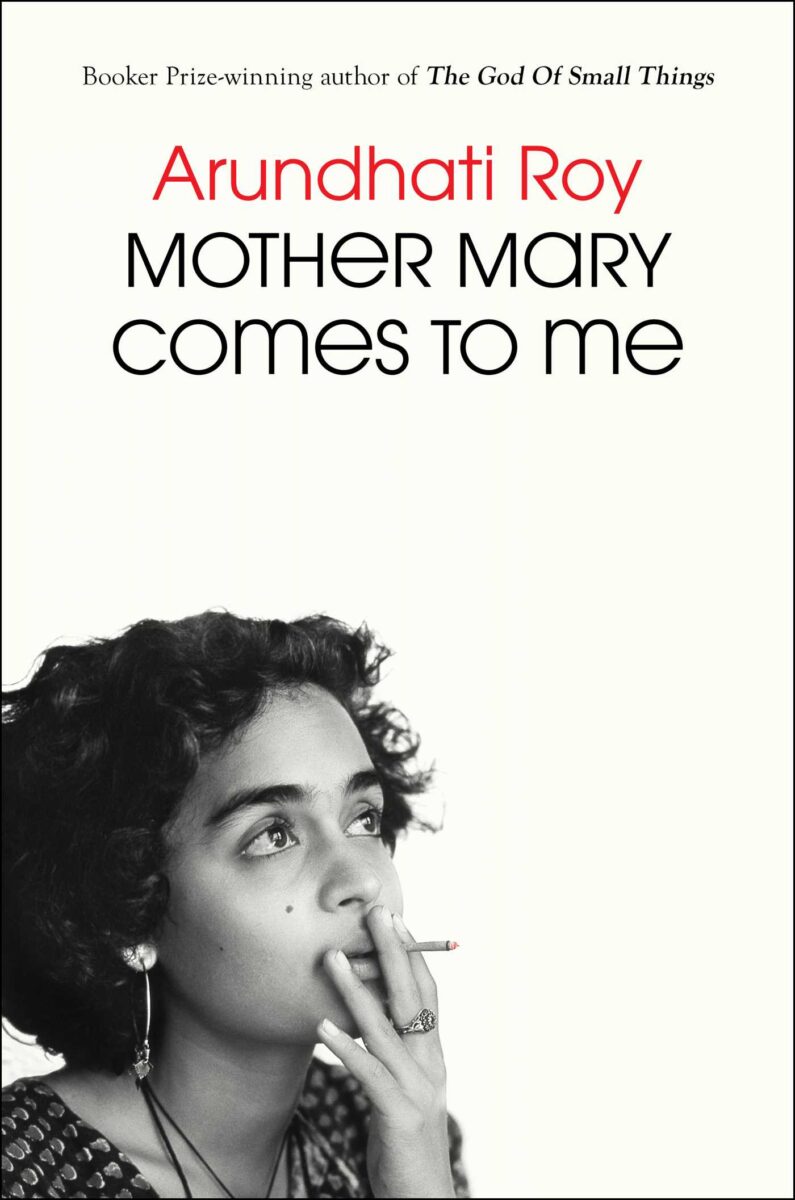
Mother Mary Comes to Me by Arundhati Roy Simon & Schuster, Scribner Books (Imprint) 2025
A raw and deeply moving memoir from the legendary author of The God of Small Things and The Ministry of Utmost Happiness that traces the complex relationship with her mother, Mary Roy, a fierce and formidable force who shaped Arundhati’s life both as a woman and a writer.
Mother Mary Comes to Me, Arundhati Roy’s first work of memoir, is a soaring account, both intimate and inspirational, of how the author became the person and the writer she is, shaped by circumstance, but above all by her complex relationship to the extraordinary, singular mother she describes as “my shelter and my storm.”
“Heart-smashed” by her mother Mary’s death in September 2022 yet puzzled and “more than a little ashamed” by the intensity of her response, Roy began to write, to make sense of her feelings about the mother she ran from at age eighteen, “not because I didn’t love her, but in order to be able to continue to love her.” And so begins this astonishing, sometimes disturbing, and surprisingly funny memoir of the author’s journey from her childhood in Kerala, India, where her single mother founded a school, to the writing of her prizewinning novels and essays, through today.
With the scale, sweep, and depth of her novels, The God of Small Things and The Ministry of Utmost Happiness, and the passion, political clarity, and warmth of her essays, Mother Mary Comes to Me is an ode to freedom, a tribute to thorny love and savage grace—a memoir like no other.
Keep track of your progress and make your predictions for the winning titles using our Finalist Checklist!
CLEVELAND – [March 3, 2026] – The Cleveland Foundation announced 11 finalists for the 2026 Anisfield-Wolf Book Awards (AWBA), marking 91 years of honoring literature that contributes to our understanding of race and our appreciation of the rich diversity of human cultures.
Death Does Not End at the Sea by Gbenga Adesina
Born in Flames: The Business of Arson and the Remaking of the American City by Bench Ansfield
The Hollow Half: A Memoir of Bodies and Borders by Sarah Aziza
Joy Goddess: A’Lelia Walker and the Harlem Renaissance by A’Lelia Bundles
Flashlight by Susan Choi
Jailbreak of Sparrows by Martín Espada
The Second Emancipation: Nkrumah, Pan-Africanism, and Global Blackness at High Tide by Howard W. French
The finalists were chosen by the AWBA jury, led by Pulitzer Prize winning author, former U.S. Poet Laureate, and 2021 Anisfield-Wolf nonfiction winner Natasha Trethewey. Trethewey is joined by a jury of prominent scholars and writers: esteemed AWBA-winning novelist Peter Ho Davies; bestselling AWBA-winning writer and scholar Charles King; AWBA-winning writer and American historian Tiya Miles; and critically acclaimed author Luis Alberto Urrea. The selection process reflects the award’s deep commitment to literary excellence and social relevance.
“These 11 titles represent bold innovation in the literary arts and the breadth of human diversity,” said Trethewey. “Through a mix of seasoned and debut writers, the Anisfield-Wolf Book Awards jury celebrates the courage, urgency, and prescience of each author as they write towards freedom.”
The Anisfield-Wolf Book Awards has advanced several strategic initiatives in the last year, including an historic prize increase, signaling an evolution from its place among the country’s most revered literary honors into a cultural force that actively shapes national discourse, advances enduring values, and influences public thought.
Last year’s decision to announce finalists for the award marked a meaningful departure from past practice, elevating more of these exceptional authors and bringing their work to a wider audience. In 2025, AWBA also tripled the cash prize to $30,000 in each of its four categories—fiction, nonfiction, memoir, and poetry—reflecting a deepened commitment to supporting authors whose work challenges injustice and expands our understanding of race, culture, and identity.
For the first time in prize history, the winners will be announced in New York City on April 15. The winners will also be honored at the upcoming annual Anisfield-Wolf Book Awards ceremony and awards weekend this fall in Cleveland.
“The Anisfield-Wolf Book Awards are making monumental strides to invest in the authors of our times–these are authors whose literary works will fundamentally shape how we see and understand race and diversity for years to come,” said Kortney Morrow, director of the Awards. “We’ve tripled the cash prize to $30K each, built a literary festival, and are presenting a new canon of writers that are committed to rigorous historical excavation all in search of truth and freedom.”
Founded in 1935 by poet and philanthropist Edith Anisfield Wolf, AWBA remains the only national endowed juried prize recognizing books that contribute to our understanding of race and foster an appreciation of cultural diversity. Past winners include Zora Neale Hurston, Langston Hughes, Martin Luther King Jr., Nadine Gordimer, Wole Soyinka, Toni Morrison, Isabel Wilkerson, and Colson Whitehead—writers whose work has shaped discourse on race and identity.
Anisfield Wolf was a quiet but fearless change maker who recognized the power of literature.
“Edith believed in the power of words to move our hearts and in its capacity to confront injustice, challenge systems, and expand our understanding of one another. That is why she permanently endowed this prize.” said The Cleveland Foundation CEO Lillian Kuri. “This year’s finalists have penned courageous texts in the pursuit of a more just world – and it’s our job to steward Edith’s legacy by pouring into their artistic process and amplifying their works to new audiences and new heights.”
About the Anisfield-Wolf Book Awards The Anisfield-Wolf Book Awards recognize books that have made important contributions to our understanding of race and human diversity. Established in 1935 by poet and philanthropist Edith Anisfield Wolf, the awards are the only national endowed juried prize for literature that explores race and celebrates diversity. The Anisfield-Wolf Book Awards are administered by the Cleveland Foundation. For more information follow us on Facebook, X, Threads, and Instagram.
About the Cleveland Foundation Established in 1914, the Cleveland Foundation is the world’s first community foundation – and one of the largest today. Through the generosity of donors, the foundation improves the lives of residents of Cuyahoga, Lake and Geauga counties by building community endowment, addressing needs through grantmaking and providing leadership on vital issues. Our vision is a vibrant Northeast Ohio where no Clevelander is left behind. For more information, visit ClevelandFoundation.org and follow us on LinkedIn, Facebook, X and Instagram.
Explore thoughtful book discussion questions, exclusive author content, and thoughts on the winning books from AWBA program director, jurors and partners each month through our Anisfield-Wolf Book Club!
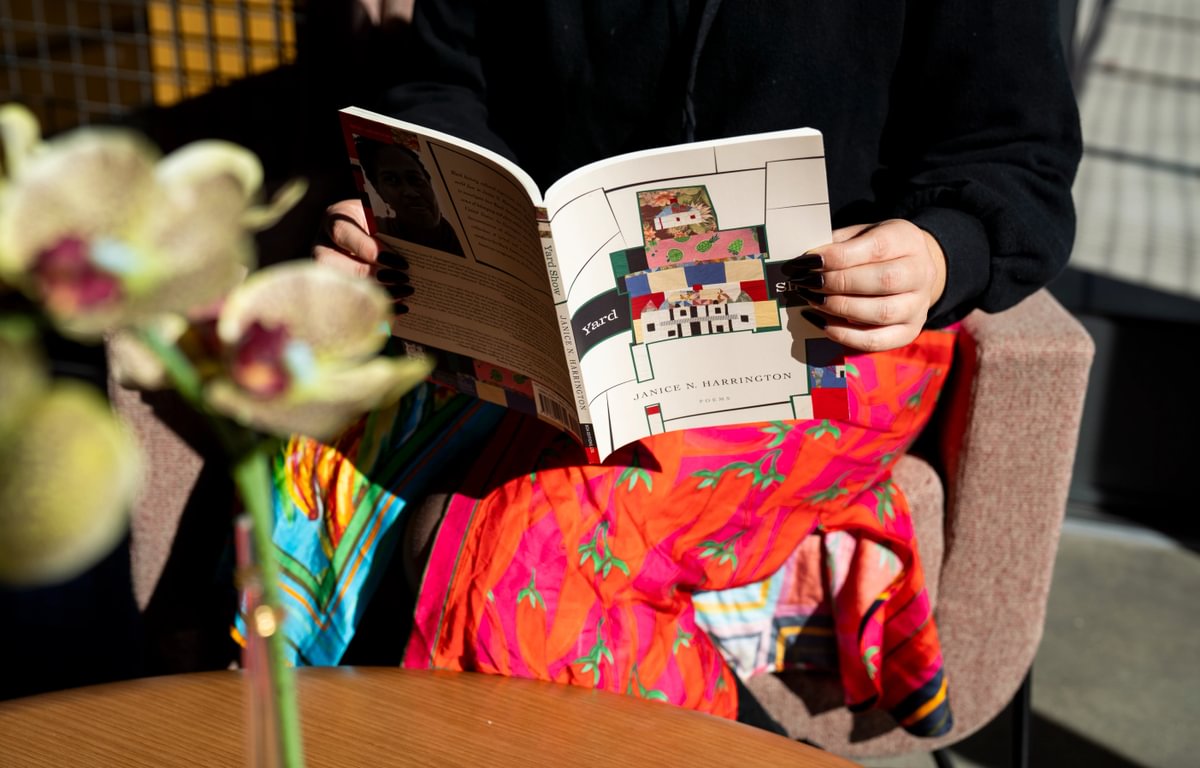
February’s Selection: 2025 Poetry Winner, Yard Show, by Janice N. Harrington
As seen through the documentation of objects found within yard shows, Janice N. Harrington’s Yard Show is a collection of descriptive, lyrical, and experimental poems speaks to the Black American Imagination in all its multiplicity.
Whether you are hosting your next book club or would simply like some questions to guide your reading, program director of the Anisfield-Wolf Book Awards, Kortney Morrow, has curated a selection of questions to consider while you read Yard Show.
Did you enjoy reading Yard Show? If so, we recommend the following books to add to your reading list!
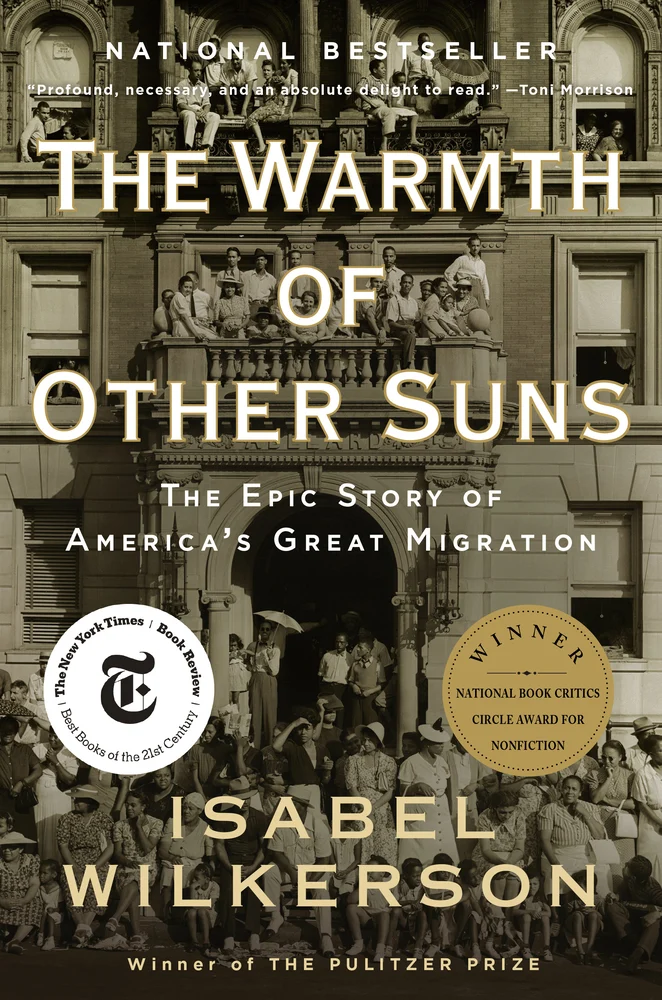
The Warmth of Other Suns (2011 AWBA Winner), Isabel Wilkerson
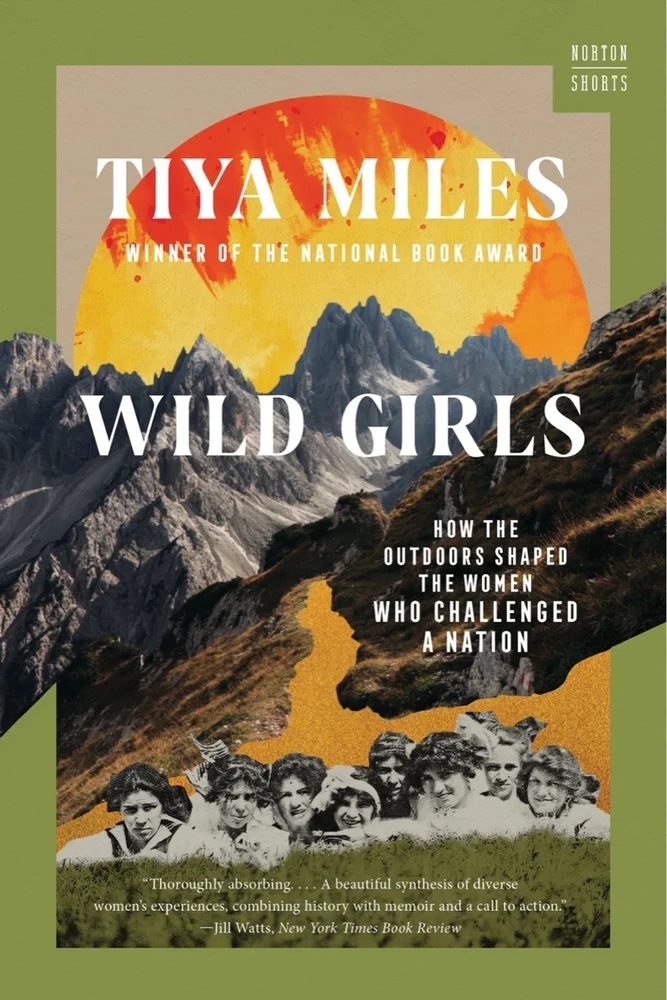
Wild Girls: How the Outdoors Shaped the Women Who Challenged a Nation, Tiya Miles
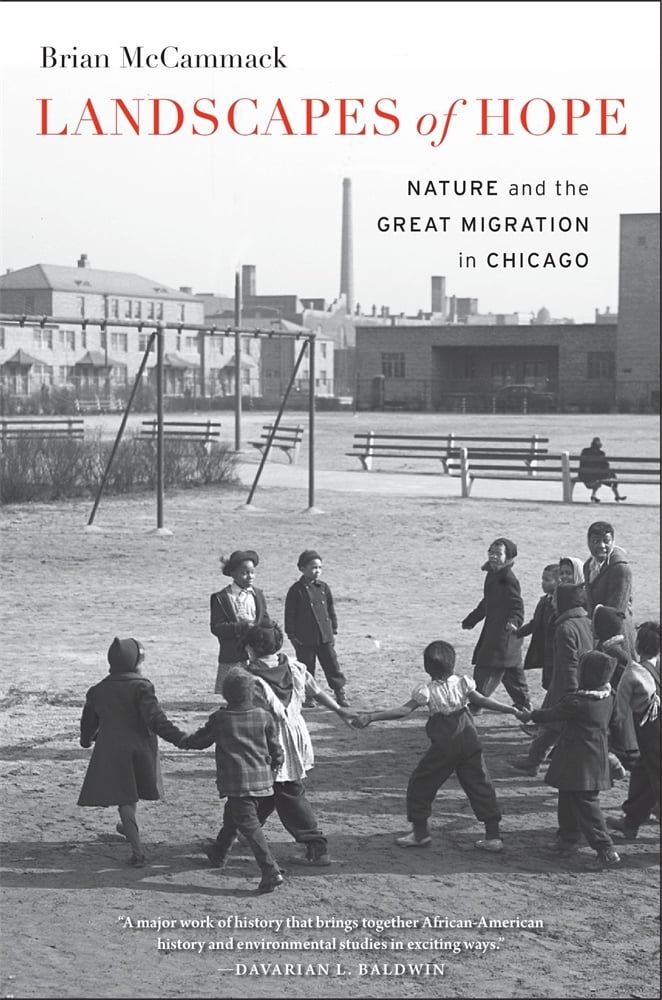
Landscapes of Hope: Nature and the Great Migration in Chicago, Brian McCammack
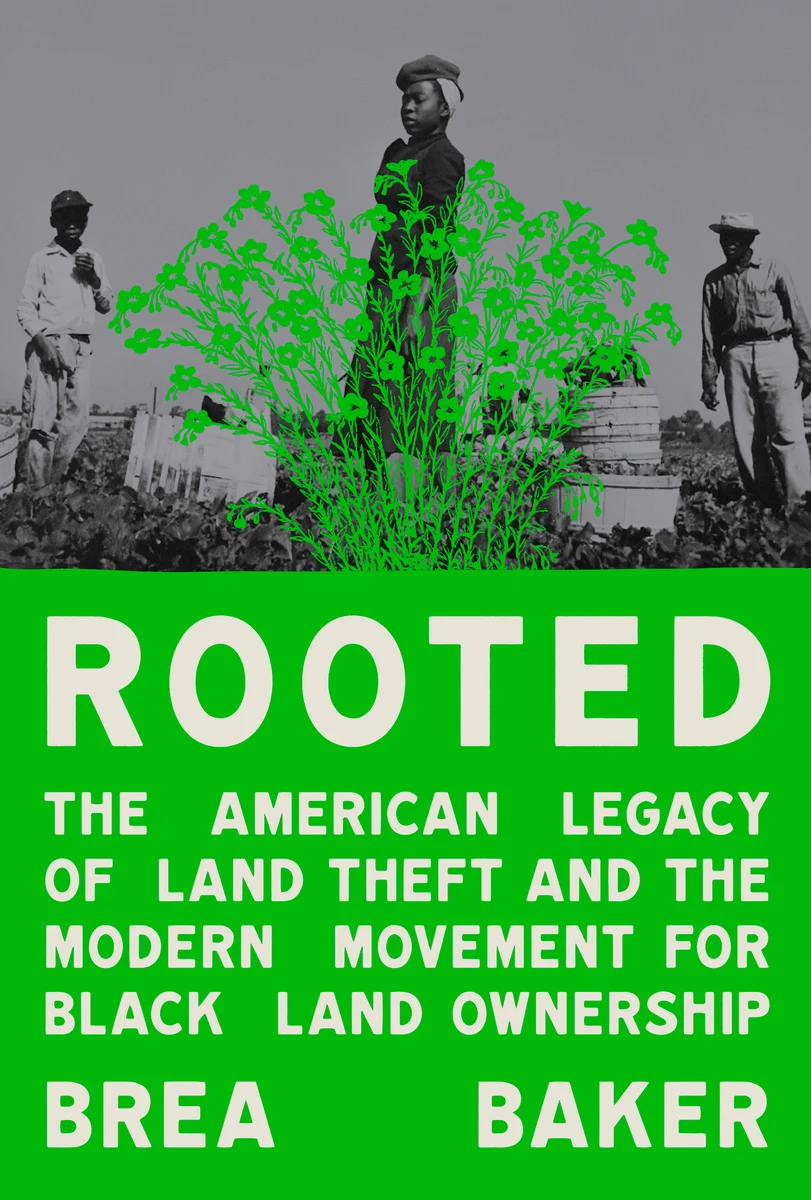
Rooted: The American Legacy of Land Theft and the Modern Movement for Black Land Ownership, Brea Baker
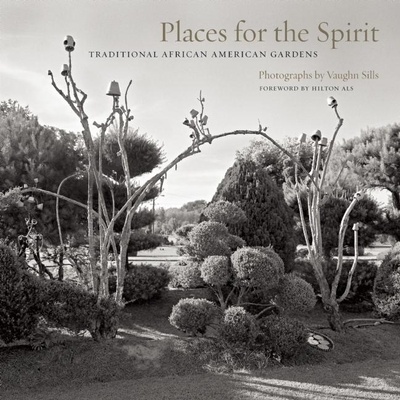
Places for the Spirit: Traditional African American Gardens, Vaughn Sills
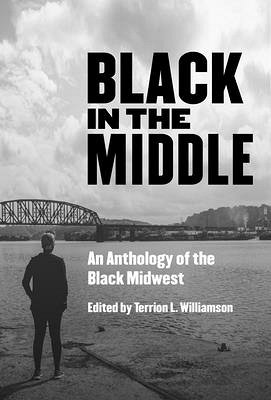
Black in the Middle: An Anthology of the Black Midwest, Terrion L. Williamson
Anisfield-Wolf Book Awards Program Director Kortney Morrow joined AWBA winner Namwali Serpell for a discussion of Serpell’s new book, On Morrison, at The City Club of Cleveland on Feb. 20.
The conversation included a close reading of a passage from Morrison’s novel Paradise, as well as a deep dive into her artistry and technique.
The event is part of a yearlong celebration of Morrison’s life, literature and legacy.
Explore thoughtful book discussion questions, exclusive author content, and thoughts on the winning books from AWBA program director, jurors and partners each month through our Anisfield-Wolf Book Club!
January’s Selection: 2025 Memoir Winner, Feeding Ghosts, by Tessa Hulls
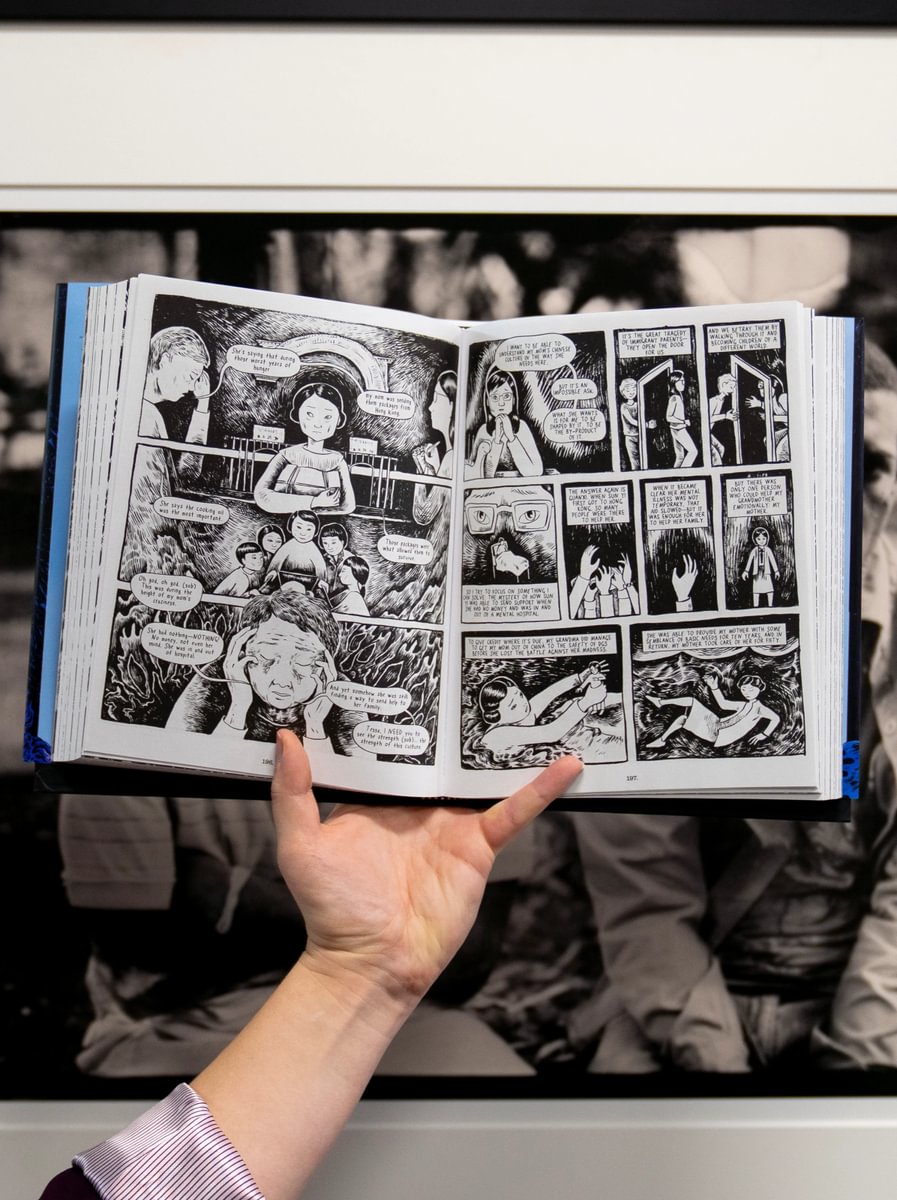
Tessa Hulls’ graphic memoir, Feeding Ghosts, is a compendious multi-generational epic combining a sweeping history of twentieth century China with an intimate, extraordinary family story. Stories indeed – our most precious inheritance – lie at the heart of this remarkable volume: the gnawing need to tell them and the hunger to hear them.
While you read Tessa Hulls’ award-winning memoir, Feeding Ghosts, take a listen to our curated playlist of songs inspired by cowboys, travel, nomads, and more!
Whether you are hosting your next book club or would simply like some questions to guide your reading, program director of the Anisfield-Wolf Book Awards, Kortney Morrow, has curated a selection of questions to consider while you read Feeding Ghosts.
Did you enjoy reading Feeding Ghosts? If so, we recommend the following memoirs, graphic novels, and stories to add to your reading list!
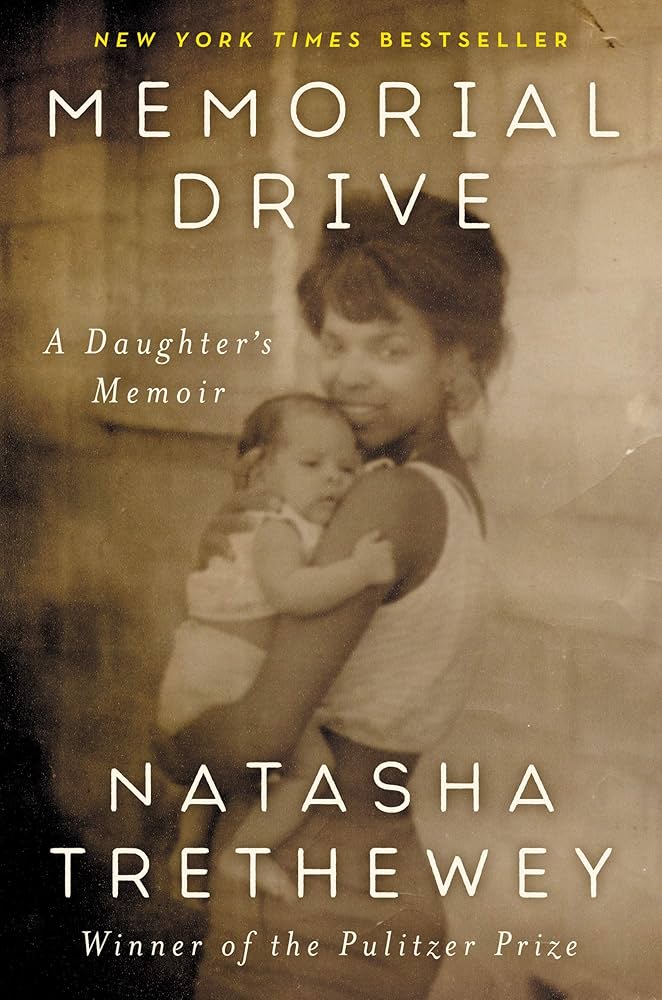
Memorial Drive (2021 AWBA Winner), Natasha Trethewey
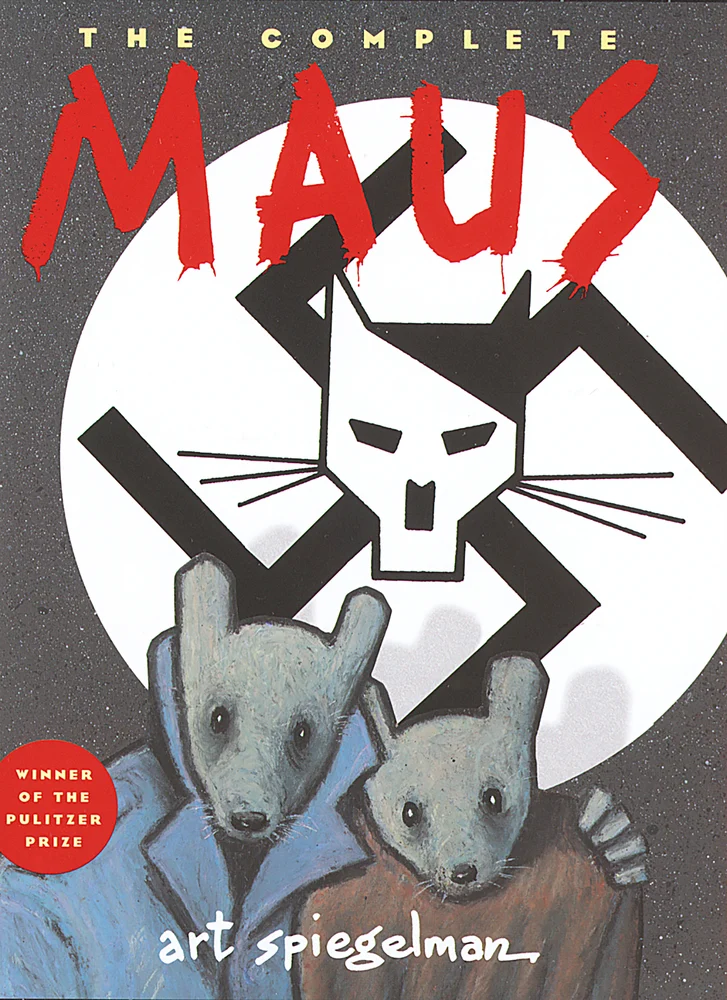
The Complete Maus, Art Spiegelman
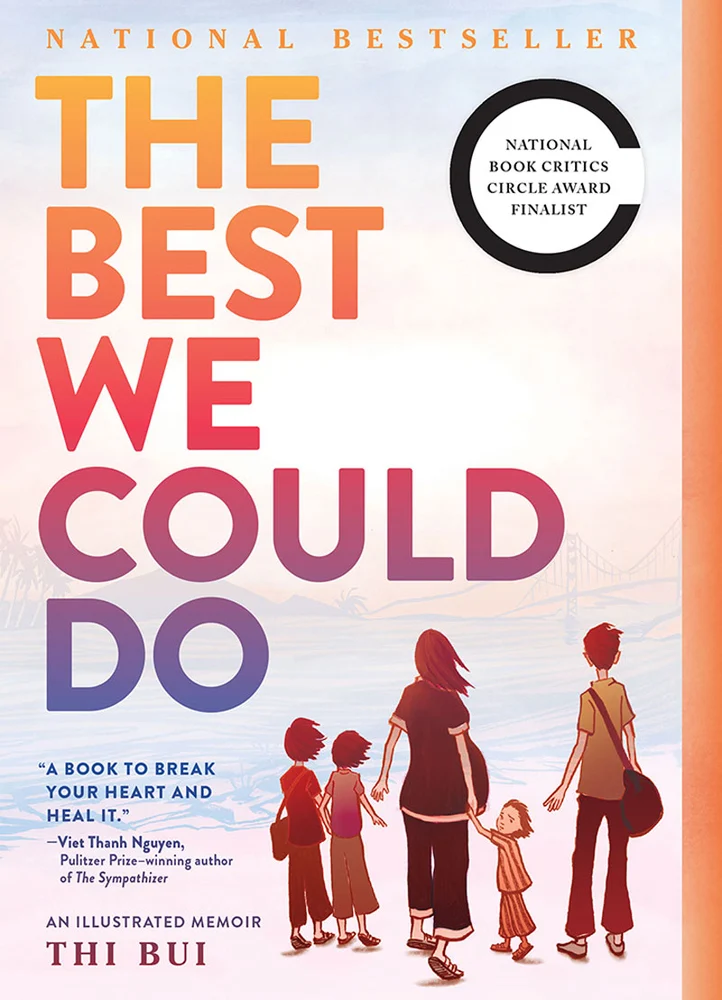
The Best We Could Do, Thi Bui
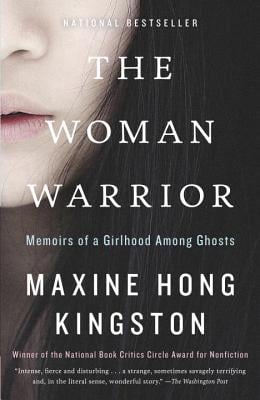
The Woman Warrior (1978 AWBA Winner), Maxine Hong Kingston
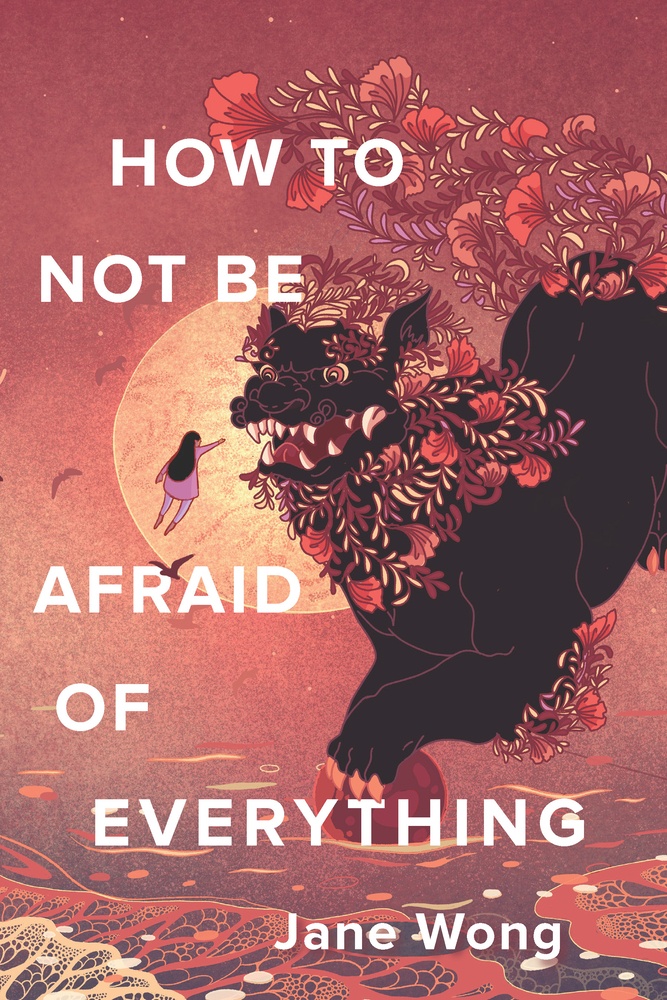
How to Not be Afraid of Everything, Jane Wong
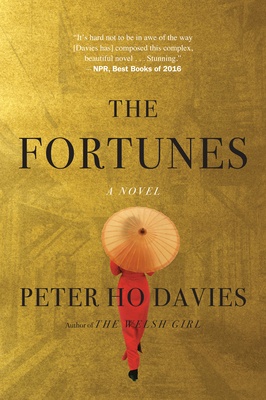
The Fortunes (AWBA Winner 2017), Peter Ho Davies
Some of the world’s most powerful stories honored by the Anisfield-Wolf Book Awards have leapt from the page to the screen. With over 262 prizes awarded since 1935, over 15 of these exceptional works have been adapted for the screen!
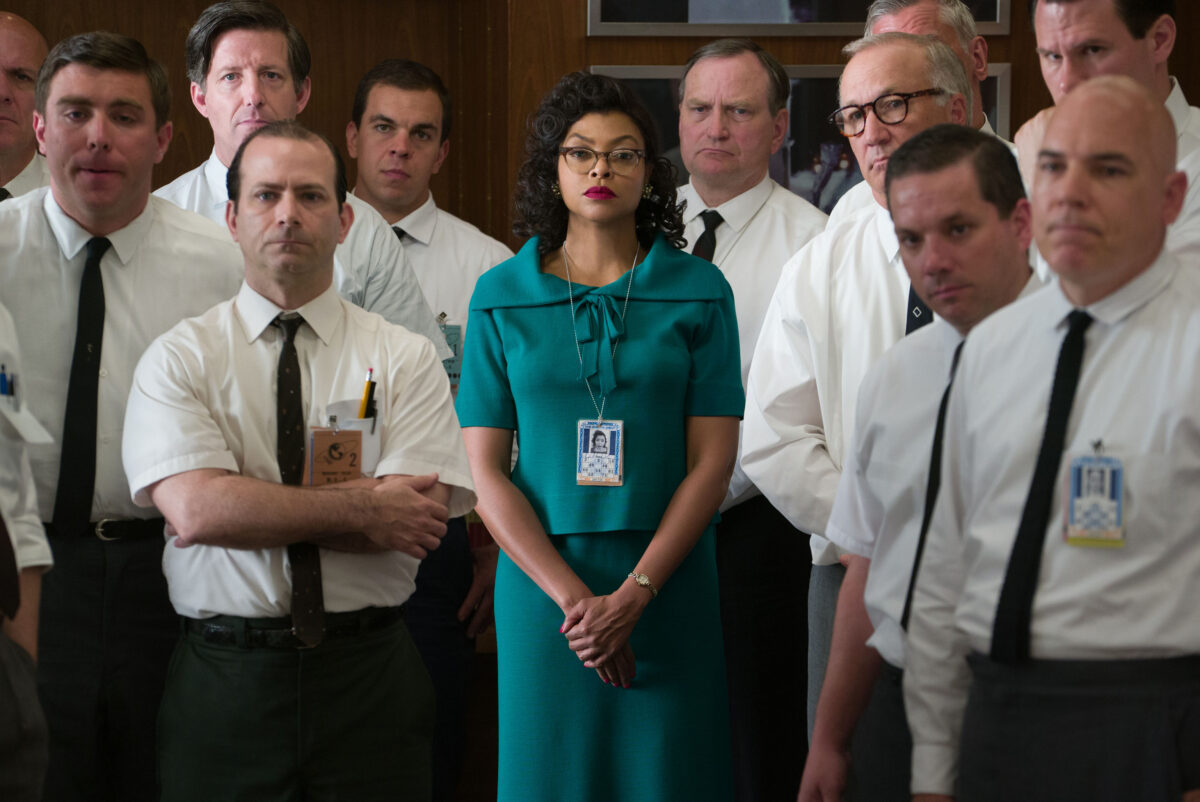
Set in the 1950s and 1960s, the 2016 movie follows the true story of three African American women (played by Taraji P. Henson, Octavia Spencer and Janelle Monáe) who worked for NASA as ‘human computers’ at the Langley Research Centre.
The 2017 documentary considers how children and their families cope with deafness, autism, dwarfism, and several other identities that challenge society’s definition of ‘normal.’
The 2017 movie, The Yellow Birds, starring Alden Ehrenreich, Tye Sheridan, and Jennifer Aniston, pivots on the last weeks of friendship between 18-year-old Private Daniel Murphy and 21-year-old Private John Bartle, who makes a rash promise to Mrs. Murphy to bring her son home safely from Iraq.
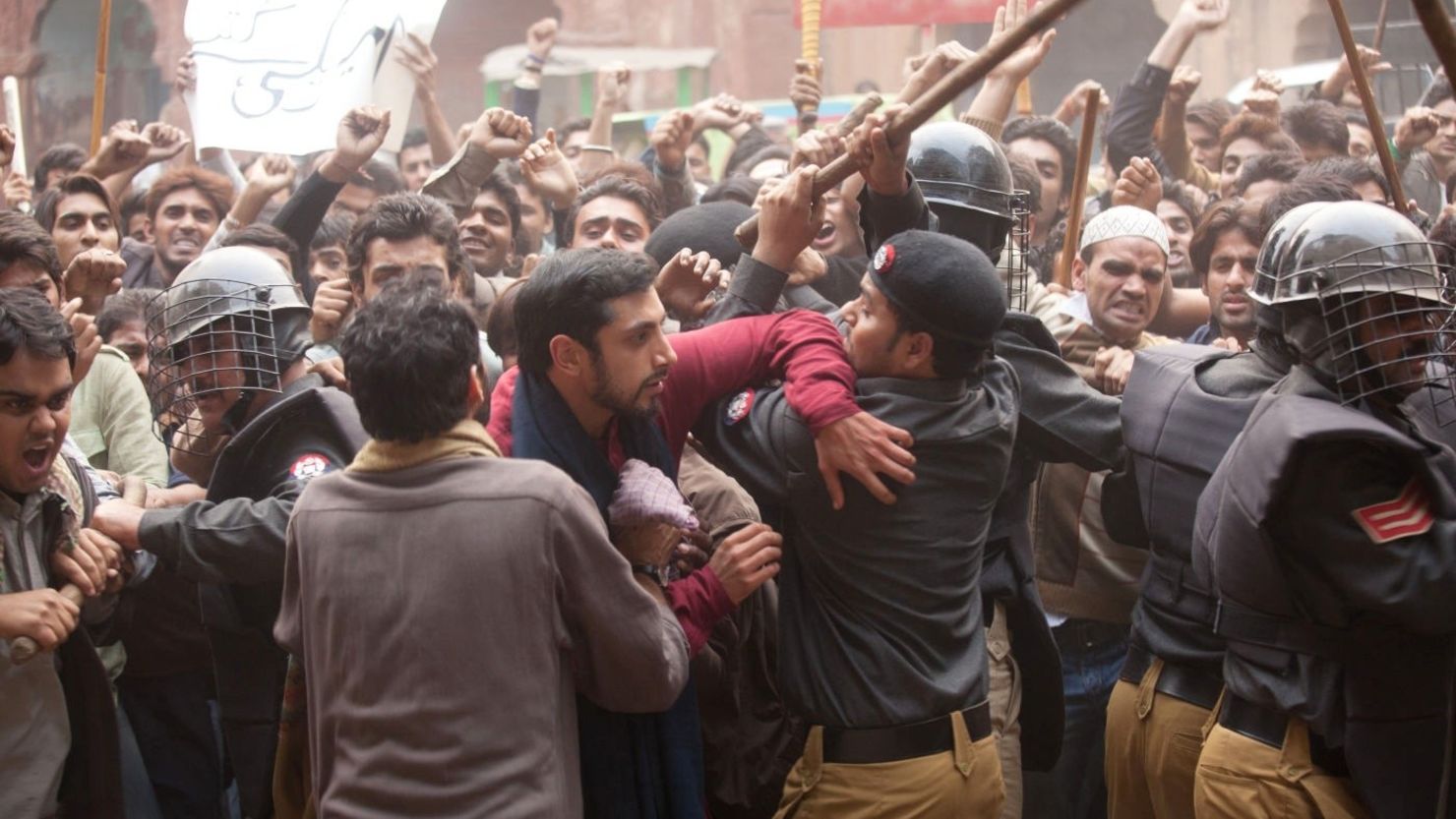
“The Reluctant Fundamentalist,” a 2012 movie based on Hamid’s novel, follows a young Pakistani man whose American dream unravels in the wake of 9/11, forcing him to confront questions of identity and belonging. The film stars Riz Ahmed alongside Kate Hudson and Kiefer Sutherland.
The 2013 film centers on the lives of two sisters raised in privilege, Kainene (Anika Noni Rose) and Olanna (Thandie Newton). We meet them on the cusp of the civil war and follow shifts in the complex relationships the sisters share with one another, their lovers, and, ultimately, their sense of nation.
The Emperor of Ocean Park is a 2024 television series based on Stephen L. Carter’s 2003 novel of the same name. Starring Forest Whitaker, Tiffany Mack, Grantham Coleman, and Paulina Bugembe, the show follows Talcott Garland, whose tranquil existence is upended by the death of his father. Mariah Denton, a former journalist and ardent conspiracy theorist, questions the manner of his death and thinks he was the victim of foul play.
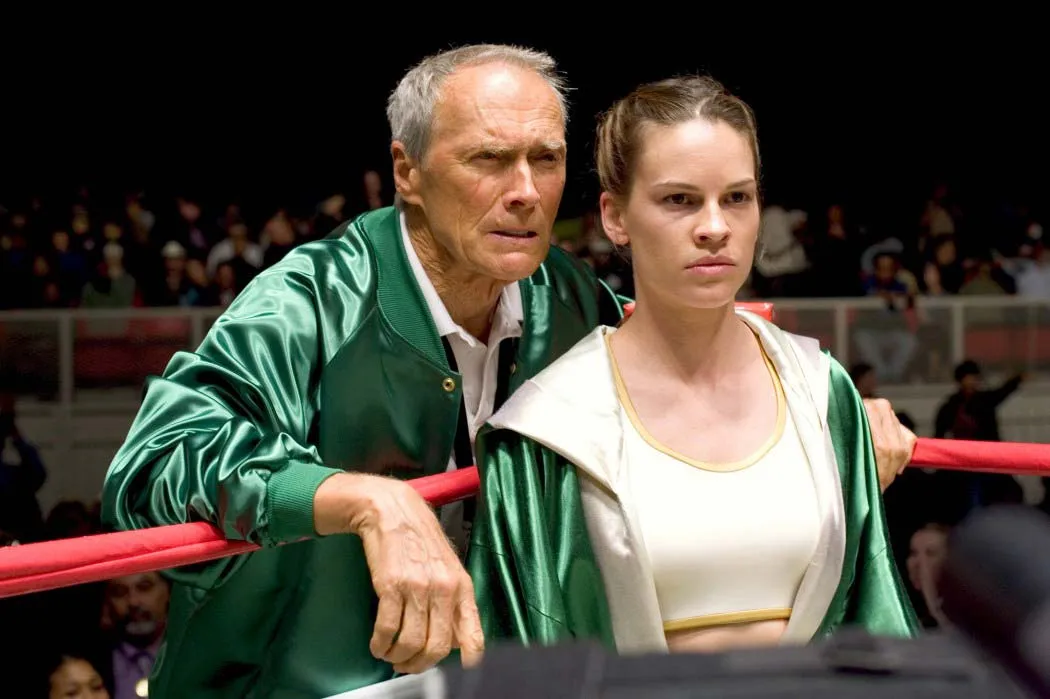
2004’s Oscar Award Winning, Million Dollar Baby starring Hilary Swank and Clint Eastwood is based on a short story from Rope Burns: Stories from the Corner. The film follows Margaret “Maggie” Fitzgerald (Swank), an underdog amateur boxer who is helped by an underappreciated boxing trainer (Eastwood) to achieve her dream of becoming a professional.
The 1998 movie of the same name starring Laurence Fishburne, Natalie Cole, Laurie Metcalf, Bill Cobbs, and Cicely Tyson, follows a former prisoner as he tries to save a neighborhood child from following him down the wrong path.
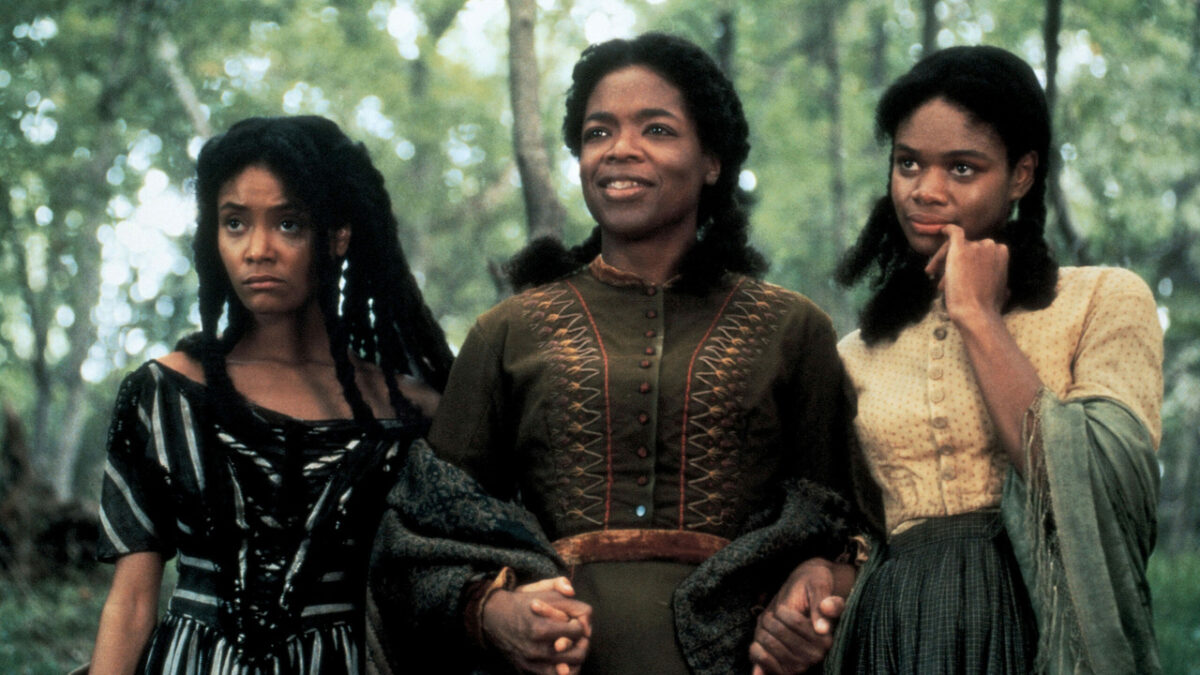
“Beloved,” released in 1998, is the film adaptation of Morrison’s AWBA and Pulitzer Prize winning novel. Starring Oprah Winfrey, Danny Glover and Thandiwe Newton, the story follows a mother who is haunted by her enslaved past.
Simple Justice is the definitive history of the landmark case Brown v. Board of Education and the epic struggle for racial equality in this country. The 1993 movie starring Giancarlo Esposito, James Avery, Andrew Braugher, and Peter Francis James, explores this case in its entirety.
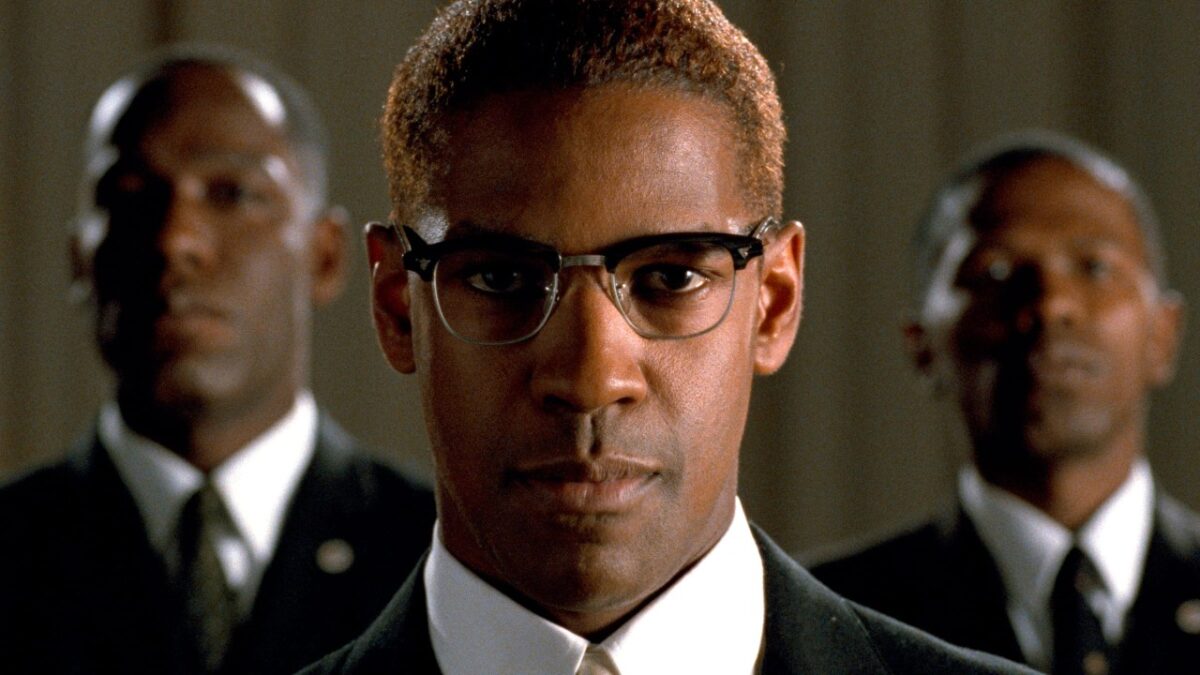
The Autobiography of Malcolm X (1965) sold more than five million copies and changed the nation’s opinion of the black nationalist leader. This Anisfield-Wolf Book Awards Winning biography was the inspiration for the 1992 Spike Lee movie, Malcolm X, starring Denzel Washington.
A Many-Splendored Thing (1952) describes Han Suyin’s tragic love affair with a British newspaper correspondent in the context of military and social conflict and also explores problems of bicultural parentage. This book served as the inspiration for the 1955 film, Love is a Many-Splendored Thing.
Alfred A. Knopf’s, The Wall, is the story of the Warsaw ghetto from November 1939 to May 1943 told by means of a fictional diary kept by Noach Levinson, self-appointed archivist. This book inspired the 1982 film starring Tom Conti.
Alan Paton’s award-winning book follows a Zulu priest who travels to Johannesburg from the countryside in search of his sister and his son. In 1995, a movie adaptation starring James Earl Jones and Richard Harris brought this work to live on the big screen.
Explore thoughtful book discussion questions, exclusive author content, and thoughts on the winning books from AWBA program director, jurors and partners each month through our Anisfield-Wolf Book Club!
December’s Selection: 2025 Nonfiction Winner, The United States Governed by Six Hundred Thousand Despots, A True Story of Slavery, A Rediscovered Narrative, with a Full Biography, John Swanson Jacobs, Edited by Jonathan D. S. Schroeder
A stunning achievement of autobiographical writing, political commentary, historical sleuthing, and critical interpretation. Originally written and published by the abolitionist and sailor John Swanson Jacobs in 1855, the memoir was rediscovered and republished by the literary scholar Jonathan Schroeder in 2024.
Book Discussion QuestionsWhether you are hosting your next book club or would simply like some questions to guide your reading, program director of the Anisfield-Wolf Book Awards, Kortney Morrow, has curated a selection of questions to consider while you read The United States Governed by Six Hundred Thousand Despots.
Did you enjoy reading The United States Governed by Six Hundred Thousand Despots? If so, we recommend the following books to add to your reading list!
Incidents in the Life of a Slave Girl, Harriet Jacobs
David Walker’s Appeal, David Walker
We Refuse, Kellie Carter Jackson
Magnumb, Arthur Jafa
Scenes of Subjection, Saidiya Hartman
Tacky’s Revolt, Vincent Brown
Are you looking for the perfect gift for the readers on your list? Look no further! We have compiled a list of some of our favorite Anisfield-Wolf Book Awards winning titles for every reader, from fiction fans to history lovers, there is something in the AWBA canon for everyone!
The New-to-AWBA Explorer
People who want an approachable starting place—accessible reads that open the door to the canon.
Memorial Drive by Natasha Trethewey (AWBA Nonfiction 2021):
In this sublime memoir, our Anisfield-Wolf Book Awards jury chair reckons with the murder of her mother at the hands of her stepfather. The poetic prose will grip you as Trethewey masterfully revisits the deeply segregated South, miscegenation laws, and the life she built in the wake of trauma.
As the first graphic novel to win an Anisfield-Wolf Book Award, this text is perfect for the reader who values a visual story.Former AWBA winner and current AWBA juror Peter Ho Davies writes, “Tessa Hulls’ graphic memoir, Feeding Ghosts, is a compendious multi-generational epic combining a sweeping history of twentieth century China with an intimate, extraordinary family story. Feeding Ghosts crosses oceans, continents and decades to make whole a family, restore a home and as readers we are privileged to join a journey told in such richly expressive images and vivid prose.”
The Warmth of Other Suns by Isabel Wilkerson (AWBA Nonfiction 2011):
Through narrative storytelling, Wilkerson writes a definitive account of the Great Migration—a period in history when six million Black citizens migrated from the South to the North and the West in search of greater opportunity. Wilkerson’s masterwork sheds light on a six-decade period of “unrecognized immigration” within the United States, documenting a legacy of citizens who left home to follow their dreams.
The one who says, “just one more chapter,” stays up way too late, and always needs another great read queued up.
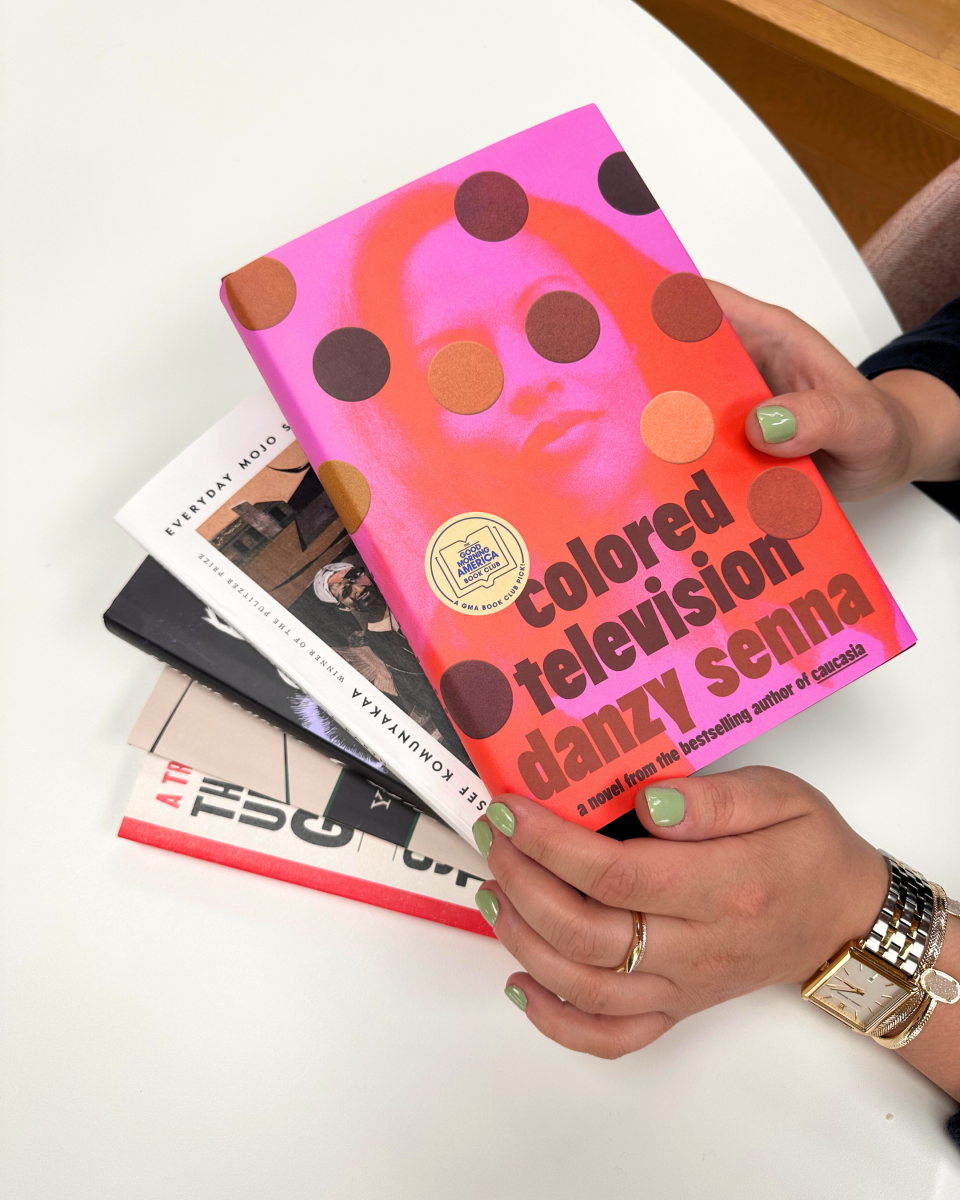
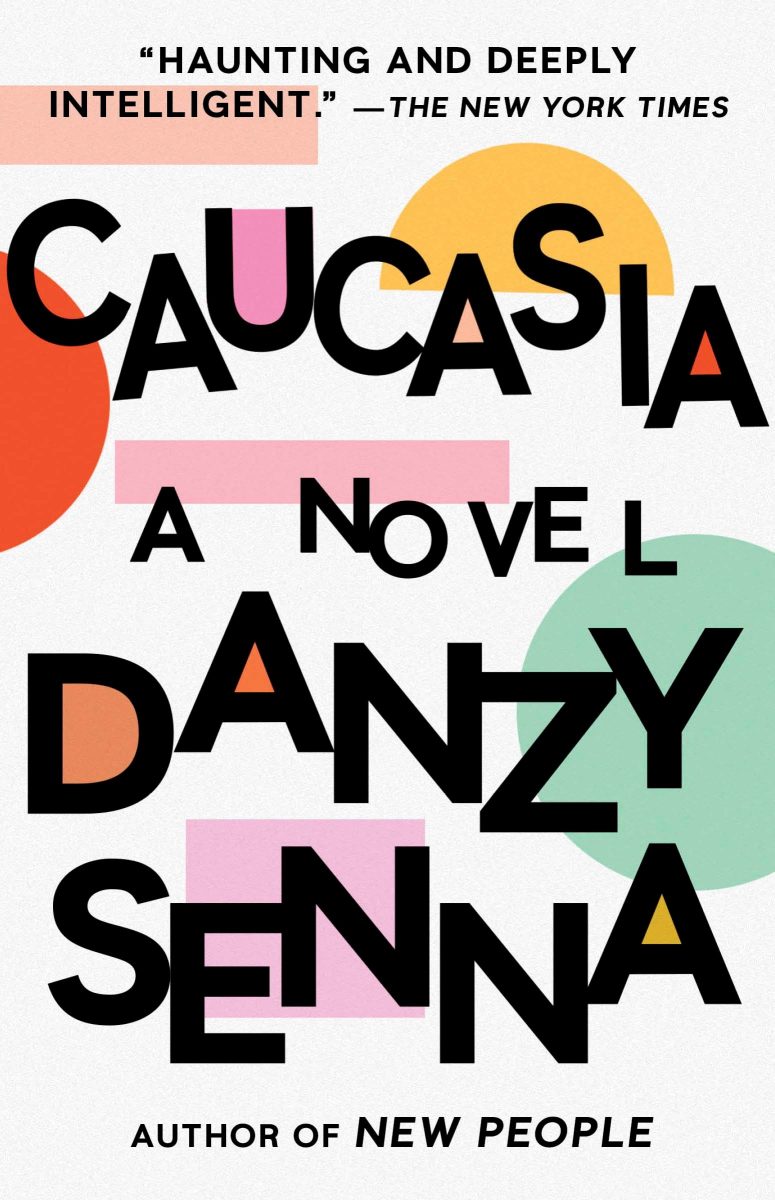
Colored Television by Danzy Senna (AWBA Fiction 2025):
This satirical novel follows Jane Gibson, a middle-aged writer whose latest book project “her mulatto War and Peace” never makes it to market and puts her tenure-track into question. Desperately seeking economic stability for her family, she descends into the underbelly of Hollywood. This page-turning text is full of Jane’s questionable decisions, unexpected plot twists, and Senna’s brilliant commentary on race and class in a post-post-racial America.
Deacon King Kong by James McBride (AWBA Fiction 2021):
If an elderly deacon marching out of a housing project in South Brooklyn and shooting the most ruthless drug dealer in the first paragraph doesn’t get you to binge read this novel, I’m not sure what will. McBride weaves humor and gripping prose to create a portrait of a working-class neighborhood grappling with poverty, compassion, and faith.
The Association of Small Bombs by Karan Mahajan (AWBA Fiction 2017):
Mahajan’s second novel starts with Chapter 0—the detonation of a bomb in the Lajpat Nagar market in New Delhi. This explosive beginning is followed by a riveting account of the aftershocks of a terrorist attack. Written in third person, Mahajan writes with psychological empathy for both the victims and the perpetrators, complicating our understanding of violence and sympathy. Read this before his third novel comes out in March 2026.
Looks for literature that illuminates injustice, elevates marginalized voices, and inspires action.
“A Problem From Hell”: America and the Age of Genocide by Samantha Power (AWBA Nonfiction 2003):
In this groundbreaking text now over 20 years old, Power analyzed U.S. foreign policy in the 20th century to explain the repeated failure to act in the face of genocide. Documenting the U.S.’ position in Cambodia, Iraq, Bosnia, Rwanda, Kosovo and beyond, Power’s text questions pragmatism in the face of atrocity. The perfect choice for a social justice seeker grappling with contemporary questions around genocide, U.S involvement, foreign policy, and morality.
Bunk: The Rise of Hoaxes, Humbug, Plagiarists, Phonies, Post-Facts, and Fake News by Kevin Young (AWBA Nonfiction 2018):
“Bunk is an essential book. It unpacks myriad hoaxes embedded in American history, from Spiritualism to the fake news espoused by Donald Trump. As Kevin Young explores these hoaxes, he finds that there is darkness at the heart of our country, a malignant seed, that finds expression in fakery. Young writes with humor and wit, and during this moment when alternative facts are sanctioned and willful ignorance is celebrated, this is a necessary read.” – Jesmyn Ward on Bunk
Deaf Republic by Ilya Kaminsky (AWBA Poetry 2020):
Kaminsky’s second poetry collection is set in an occupied territory during a time of political unrest. In the first poem of Act One, a solider shoots and kills a young deaf boy and it renders the entire town deaf. This 76-page urgent elegy lifts a mirror up to our collective silences in the face of atrocity and forces us to face what it means to live in a peaceful country.
The Gay Revolution: The Story of the Struggle by Lillian Faderman (AWBA Nonfiction 2016):
Faderman’s archival research and 150+ first-person interviews resulted in her 2016 landmark text—The Gay Revolution. Starting from the 1950s when the law classified gays, lesbians, and trans people as criminals and working her way up to the fight for marriage equality under Obama’s presidency, Faderman documents the gay-rights movement. As the ACLU tracks 616 anti-LGBTQ bills in the United States as of September 2025, revisiting this text and filling in the ten-year gap between the time of its publication might be critical to understanding where we came from and where we’re heading in the fight for gay rights.
For readers who love literature that transports them across cultures, borders, and identities.
Aké: The Years of Childhood by Wole Soyinka (AWBA Nonfiction 1983):
In 1986, Wole Soyinka was awarded the Nobel Prize for Literature making him the first African laureate. Three years prior, the first installment of his memoir, Aké, won the Anisfield-Wolf Book Award for nonfiction. Here, Soyinka documents his childhood living in a Yoruba village in western Nigeria from ages 4-11. Pick up this text for a chance to experience pre-World Word II Nigeria from a curious and always-questioning child-eye’s view.
The Old Drift by Namwali Serpell (AWBA Fiction 2020):
Serpell’s debut novel, which took nearly two decades to craft, centers on a fateful 1904 incident near the Old Drift, a colonial settlement on the Zambezi River just a few miles from Victoria Falls. In the aftermath of this tragic incident, Serpell follows three generations as they collide over the course of a century. Former Anisfield-Wolf Book Awards juror Rita Dove writes, “The Old Drift” is “a phenomenal accomplishment, nothing less than a retelling/reimagining of the creation and ‘history’ of Zambia. The writing is exquisite; her descriptions of water – Victoria Falls, Lake Malawi, even rain – are awesome.”
If you’re looking for a single book to take you around the world, look no further than The Boat by Nam Le. Le’s debut is a collection of seven different short stories set in Colombia, Japan, Iran, Australia and the United States. Spanning different points of view and different time periods, think of each short story as a trip to a new place. On each stop you’ll meet new characters, each faced with an urgent threshold they must cross over.
Drawn to narratives—fiction or nonfiction—that uncover untold truths, cultural histories, or lived experience.
The US Governed by Six Hundred Thousand Despots: A True Story of Slavery by Jonathan D. S. Schroeder (AWBA Nonfiction 2025):
In this groundbreaking text,Schroeder uncovered the 1855 first-person slave narrative written by John Swanson Jacobs—brother of Harriet Jacobs—in an Australian newspaper. Reproduced in full, this narrative, written by an ex-slave and ex-American, inserts a new 19th century global slave narrative. In the second half of the book, Schroeder writes a full biography on Jacobs’ life, adding context by an esteemed literary historian.
Hidden Figures by Margot Lee Shetterly (AWBA Nonfiction 2017):
Shetterly’s debut novel tells the story of four black women mathematicians working at NASA beginning in 1948. Their calculations during the Space Race era allowed the country to successfully send astronauts into orbit, to the moon and back. “The title of the book is something of a misnomer,” Shetterly writes in her acknowledgements. “The history that has come together in these pages wasn’t so much hidden as unseen—fragments patiently biding their time in footnotes and family anecdotes and musty folders.”
Horse is for the historical fiction fans. When Brooks’ learned that the Smithsonian had recently received a donation of the skeleton remains of the 19th century thoroughbred horse Lexington, she was intrigued. She would go on to uncover the critical role Black horseman played in building the thoroughbred industry. This novel is the story of that legendary Pre-Civil War racehorse, Lexington, and his Black groomer, Jarret. Not only does Brooks paint a picture of race relations at the cusp of national division, she brings the legacy of enslavement into the modern day with a contemporary storyline that makes you question just how far we’ve come.
Explore thoughtful book discussion questions, exclusive author content, and thoughts on the winning books from AWBA program director, jurors and partners each month through our Anisfield-Wolf Book Club!
Whether you are hosting your next book club or would simply like some questions to guide your reading, program director of the Anisfield-Wolf Book Awards, Kortney Morrow, has curated a selection of questions to consider while you read Colored Television.