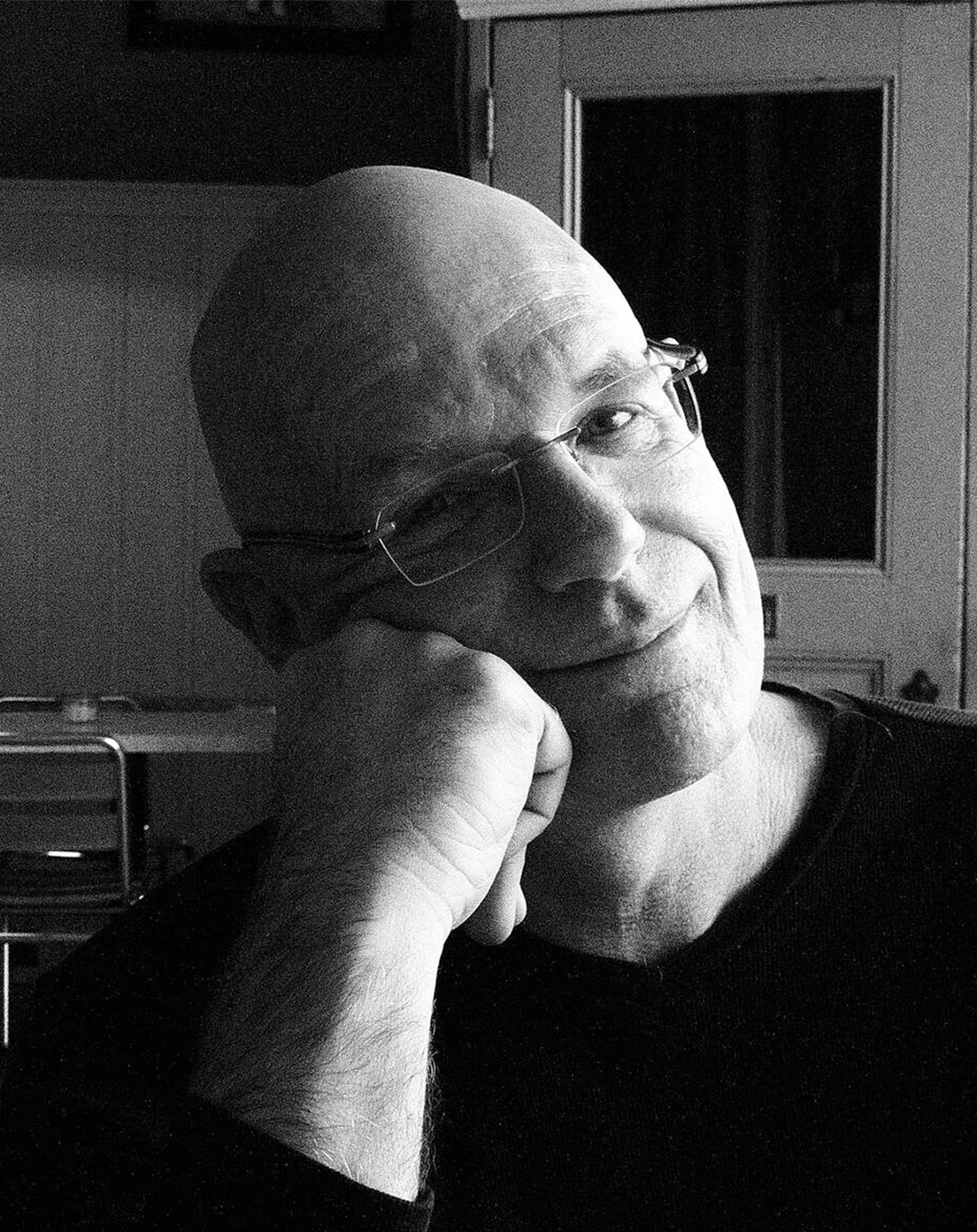
“This book is the first serious study of the phenomenon of dehumanization,” David Livingstone Smith says in this recent interview on his book, Less Than Human. “No one has really looked into what goes on when human beings think of other groups of human beings as sub-human creatures.”
Check out the full interview to see how dehumanization has contributed to global crises like the Holocaust and global wars. Visit his website at RealHumanNature.com.
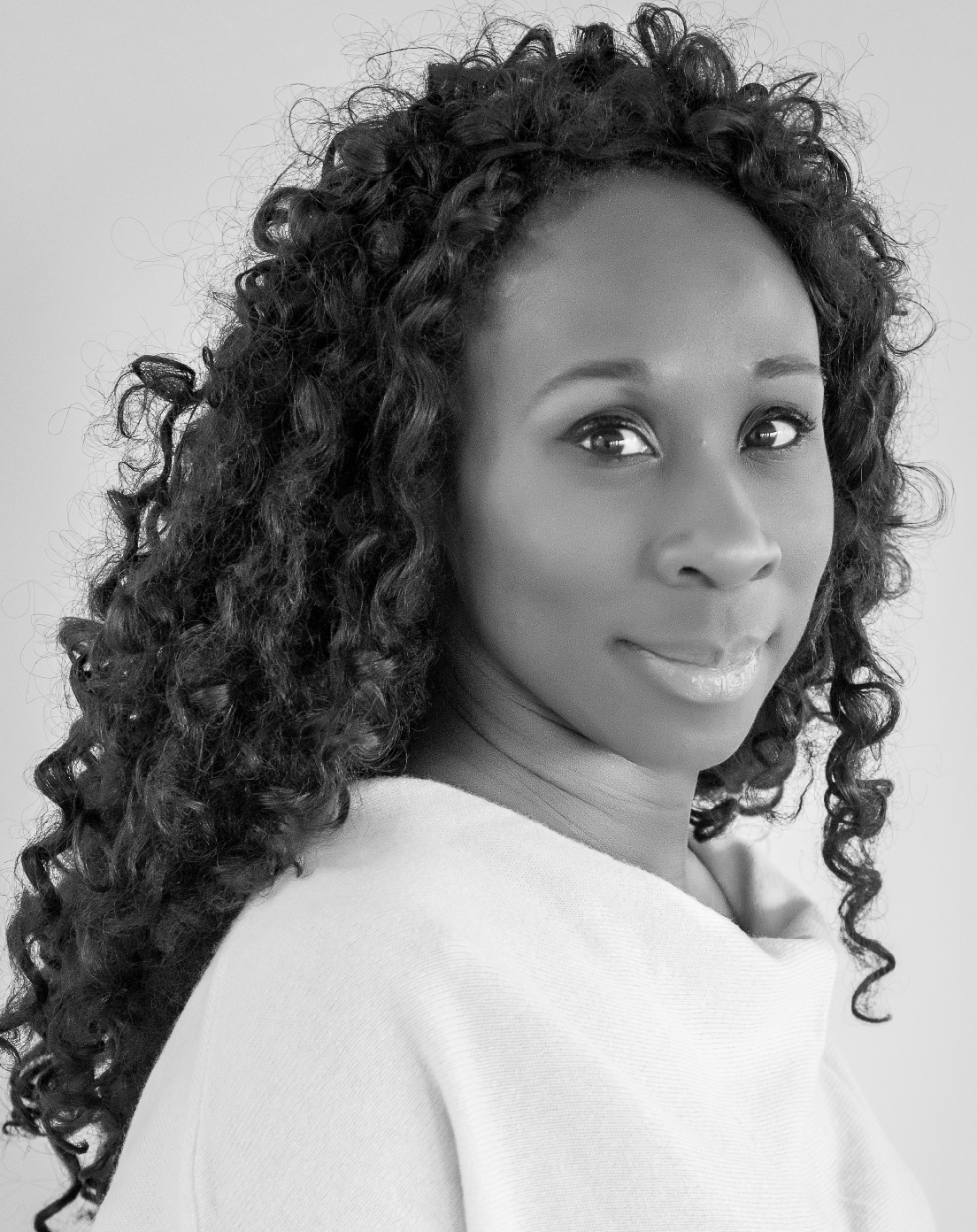
We’ll be spending this week exploring the lives and works of the 2012 Anisfield-Wolf Award winners. Today we’re recognizing Esi Edugyan, who won the 2012 Anisfield-Wolf Award for Half-Blood Blues.
She counts Leo Tolstoy and Alice Munro among her favorite writers of all time: “Tolstoy has given me the most, year after year, without fail. I return to him for his scope, his sense of human destiny, the vastness of his vision. Alice Munro, for the precision of her writing, the sharp corners she can turn between sentences. There are many others – dozens and dozens! – of course.”
If she wasn’t a writer, she’d still be doing something creative: “I honestly don’t know. On those days when you’re having problems and dreaming of greener pastures, you know, you think about it…I thought I’d study law or might do something else artistic – like dance, perhaps. Definitely something creative. As an adult I took a lot of dance classes, but wish I had danced as a child. Or singing. I would love to have trained my voice up.”
Does she believe in writer’s block? “If something isn’t coming, I think the angle from which you’re entering the work is not right, and you just have to change it. I think the business is difficult – getting an audience in all of this, I mean. You finish a book and you’re really excited, and it might not perform the way you (or others) want it to perform, and you wonder why certain books aren’t more celebrated, and why others are, and so many great books seem to slip through the cracks. It can seem quite arbitrary.”
How did she cope when her initial publisher for Half-Blood Blues went bankrupt and her novel was “homeless” for a couple months? She addresses that, as well as her reaction to the book’s popularity, in this video.
Edugyan was a finalist for the Booker Prize, for which she recorded this video of a reading of Half-Blood Blues:
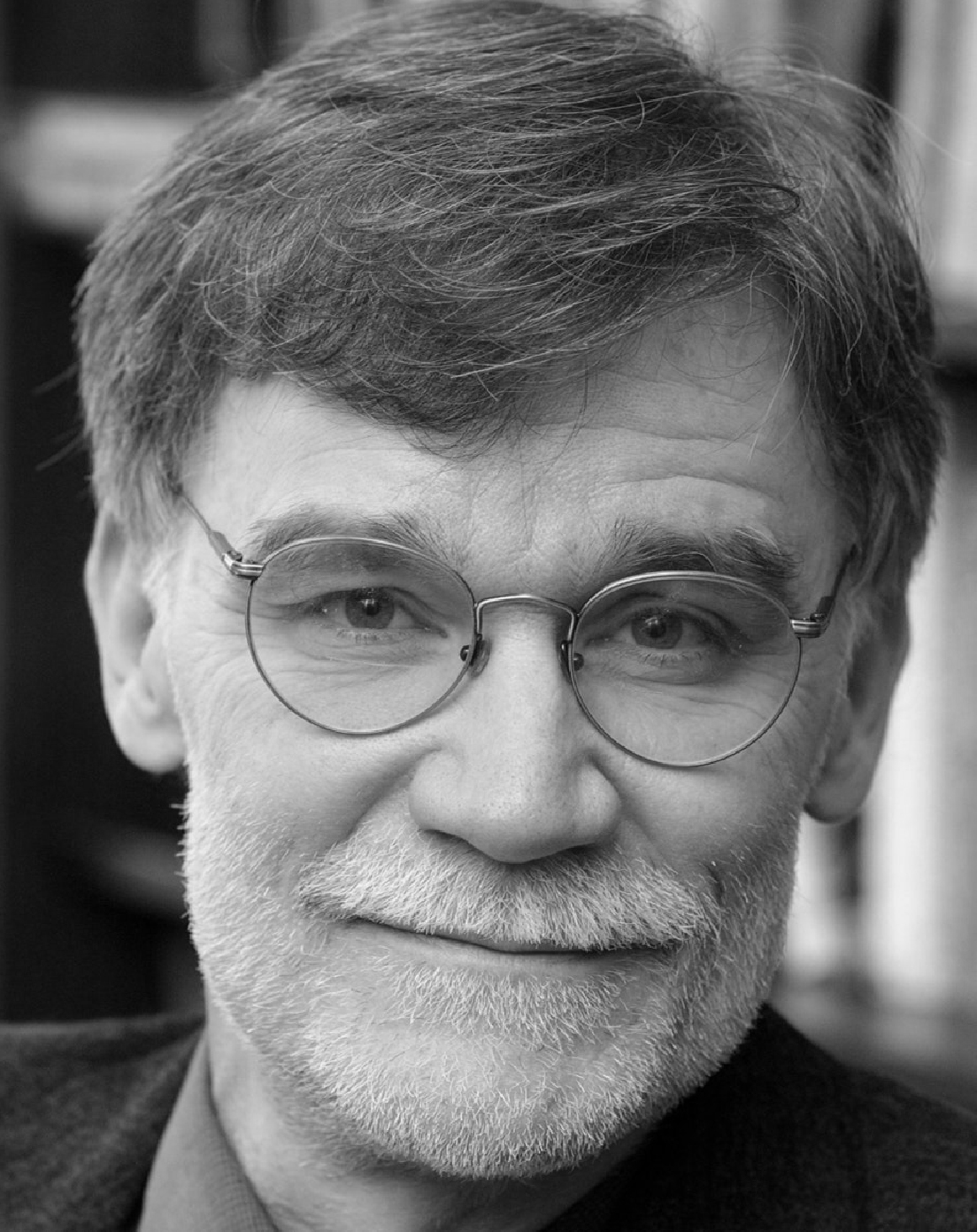
We’ll be spending this week exploring the lives and works of the 2012 Anisfield-Wolf Award winners. First up is David W. Blight, 2012 winner for nonfiction, for his work, American Oracle: The Civil War in the Civil Rights Era.
He’s working on a biography of Frederick Douglass to be released in 2013.
He is, as to be expected from his body of work, one of the nation’s most preeminent scholars on the Civil War. (Read his thoughts on whether the war could have been prevented.)
His course at Yale, The Civil War and Reconstruction Era, 1845-1877, is available for free on Yale’s Open Courses website. Check it out here.
His work has been acknowledged by many, as his long list of awards and accolades can prove. He’s won the Frederick Douglass Prize, the Lincoln Prize, the Merli Curti Award, the James A. Rawley Prize, and Bancroft Prize and now, an Anisfield-Wolf Book Award.
He believes: “The civil war is an event (and will probably always be an event) through which Americans have to somehow define themselves. It’s the event that first tested and destroyed the original American republic…” Catch the rest of his thoughts here:
“The 2012 Anisfield-Wolf winners reflect the complexity of the issues of race and cultural diversity in our world,” said Henry Louis Gates Jr., the Alphonse Fletcher University Professor and director of the W.E.B. Du Bois Institute for African and African-American Research at Harvard University, who serves as jury chair. “These books and the people who created them help us gain a deeper understanding of the need to respect both the humanity and individuality of one other.”
Our 2012 winners are (click on any of the photos to read more on the authors):
We realize the headline is a bit of hyperbole but in researching Mr. Gaines for this week’s exploration of his life and works, we realize that he has a tremendous way with words. Not just on the page, but in interviews as well. English rolls off his tongue in a way that to the ear often sounds like poetry, and his fingers create rich worlds without burdening the reader with five-dollar words. We gathered some of his best quotes from interview past so you could see for yourself how he does it:
I write as well as I can and I learned from reading people like Hemingway, and others, that writing less is better. If I can say something in five words instead of seven words, I’ll use five. Sometimes it’s a little difficult for some people to understand it if they don’t read very much.
I’m not one of those people who has a large, wide brush for canvas. I can’t use words, words, words. I try to get as few words as I possibly can to express myself. I believe in telling a story when I’m writing. I’m not just giving a philosophy or an ideology or social writing. I try to be honest with all my characters whether they’re good or bad, cowardly or brave.
Does the writer capture description well? Does he use dialogue well? Are things believable? Is the writer prejudiced when describing blacks or whites, males or females? I think readers look through all these things and then draw their own conclusions. You know, readers see things their way. You might have a good story and you don’t know how to write it. You can have a bad story and not have a thing in the world to say, but you can write so well. . . . I’ve had those kinds of students. They have nothing to say, but they’re good at writing.
I did not know I wanted to be a writer as a child in Louisiana. It wasn’t until I went to California and ended up in the library and began reading a lot that I knew I wanted to be a writer. I read many great novels and stories and did not see myself or my people in any of them. It was then that I tried to write. There were very few people on the plantation who had any education at all, especially the old people my aunt’s age and my grandmother’s age. They had never gone to school, and they didn’t have any books. I used to write letters for them. I had to listen very carefully to what they had to say and how they said it. I put their stories down on paper, and they would give me teacakes. If I wanted to play ball or shoot marbles, I had to finish writing fast. So I began to create. I wrote about their gardens, the weather, cooking, preserving, anything. I’ve been asked many times when I started writing. I used to say it was in the small Andrew Carnegie Library in Vallejo, California, but I realize now that it was on the plantation.
What I would like people to say is that he wrote as sincerely as he could possibly write. He could have done more writing and that’s the way I feel about myself. I could’ve done more. I’m proud of most of what I’ve done, but I could have been better. I might have studied harder and written longer. I could’ve spent a longer time at my writing desk.
My six words of advice to writers are: “Read, read, read, write, write, write.” Writing is a lonely job; you have to read, and then you must sit down at the desk and write. There’s no one there to tell you when to write, what to write, or how to write. I tell students if they are going to be writers, they must sit down at a desk and write every day.
Each week, we’ll be helping you to get to know our winners better (what a great bunch they are) and highlighting the best of their work, interviews and essays. This week, our focus is on Ernest J. Gaines, our 2000 Lifetime Achievement winner.
“…to me, without books, life would be a mistake.” In this video with the National Endowment for the Arts, Ernest J. Gaines sat down to talk about one of his most popular books, A Lesson Before Dying. He talks about getting paid to write letters for the less-literate members of the community (getting a nickel or a tea cake for his efforts), about learning from white writers, about his humble beginnings. It’s worth watching if you value good conversations about literature.
In the music industry, there is always a collective sigh of relief when an artist releases a work after an absence—and the work is as good as (or better than) their previous efforts. Same is true for authors.
Zadie Smith has not released a novel since 2005’s On Beauty and the literary world has been waiting for her return. In March it was announced that her fourth novel, titled NW, would be released in September. We dug around for a description and found what sounds like a great book:
“Somewhere in Northwest London stands Caldwell housing estate, relic of 70s urban planning. Five identical blocks, deliberately named: Hobbes, Smith, Bentham, Locke, and Russell. If you grew up here, the plan was to get out and get on, to something bigger, better.
Thirty years later ex-Caldwell kids Leah, Natalie, Felix, and Nathan have all made it out, with varying degrees of succes—whatever that means. Living only streets apart, they occupy separate worlds and navigate an atomized city where few wish to be their neighbor’s keeper. Then one April afternoon a stranger comes to Leah’s door seeking help, disturbing the peace, and forcing Leah out of her isolation…”
What do you think? Will you be reading it in a few months? What’s your favorite Zadie Smith work to date?
We enjoy a good list just as much as the next person, and even more so when it comes to advice for writers. We’re an interesting bunch, full of quirks and idiosyncrasies, and doubts and fears and ambition. We devour information and try to spit out prose. So when we came across this bunch of tips from Zadie Smith, we decided that yes, we needed to share it with you.
When still a child, make sure you read a lot of books. Spend more time doing this than anything else.
When an adult, try to read your own work as a stranger would read it, or even better, as an enemy would.
Don’t romanticise your “vocation”. You can either write good sentences or you can’t. There is no “writer’s lifestyle”. All that matters is what you leave on the page.
Avoid your weaknesses. But do this without telling yourself that the things you can’t do aren’t worth doing. Don’t mask self-doubt with contempt.
Leave a decent space of time between writing something and editing it.
Avoid cliques, gangs, groups. The presence of a crowd won’t make your writing any better than it is.
Work on a computer that is disconnected from the internet.
Protect the time and space in which you write. Keep everybody away from it, even the people who are most important to you.
Don’t confuse honours with achievement.
Tell the truth through whichever veil comes to hand – but tell it. Resign yourself to the lifelong sadness that comes from never being satisfied.
We celebrated Zadie Smith’s work in 2006 after the release of her third book,On Beauty. A powerful story about cultural differences and conservative values, On Beauty has also won the Orange Prize for Fiction. In the video below, Smith reads a section of her novel during the PEN World Voices Festival.
When you reach a level in your career when you can go by one name—Oprah—it’s safe to say that you’ve made an impact in your industry. And Oprah’s so influential that her industry is the world. She’s touched almost every avenue—education, books, TV, film, magazines, philanthropy. The only self-made African American female billionaire, she has a line of accomplishments a couple miles long. Here’s some of her most impressive stats (some facts and figures provided by PBS):
$350 million
An estimate of the amount Oprah has reportedly given of her own money to charitable causes. Oprah has raised more than $51 million for charitable organizations through her show, including education. Her charitable organizations are said to be worth $200 million.
48 million viewers
The estimated number of viewers who watched her show every week in the U.S.
55 million
Number of books sold since they were selected by Oprah and then discussed and promoted on Oprah’s Book Club. That’s according to a Fordham University marketing professor who has made an estimate. Of the 70 books she singled out, 59 made it to the USA Today bestseller list.
10.7 million
Number of Twitter followers
6.9 million
Number of Facebook fans
55
Number of schools built around the globe by her Angel Network.
Oprah’s impact on the world of literature can not be understated. It is estimated that Oprah’s Book Club was instrumental in selling more than 30 million books. Her impact continues to be felt. In one of her last episodes of “The Oprah Winfrey Show,” students at the KIPP Believe Prepatory School in New Orleans were in a newly refurbished library after the devastation of Hurricane Katrina, but they didn’t have any books. In honor of Oprah, Target worked to restock and redesign their library, as well as 24 other school libraries around the country.
Each week, we’ll be helping you to get to know our winners better (what a great bunch they are) and highlighting the best of their work, interviews and essays. This week we’re highlighting Oprah Winfrey, 2010 winner for lifetime achievement.
Now, we wavered a bit on highlighting Oprah because she is so well known. With her talk show ending its 25-year run in 2011 and Oprah taking the reins of her new channel, OWN, the media has been covering Oprah from every angle, dissecting her influence on the world at large.
But we at Anisfield-Wolf selected Oprah to win the 2010 Anisfield-Wolf award for lifetime achievement because of her impact on the world of literature. She keeps innovating and striving to change the world and that’s something we can get behind. Learn more about Oprah in her 2008 Standford commencement address where she posits, “Inner wisdom is greater than wealth.”
Langston Hughes would have turned 100 this year and in a fitting tribute to his life and literary contributions, the Library of Congress selected two poets—Dolores Kendrick and Evie Shockley—to read selections of his work and discuss Hughes’ influence on their own writing. Take a look.
We’re continuing our look back at Langston Hughes this week by featuring some audio of his work. Listening to his works (particularly the second and third, which Hughes reads himself) evokes different reactions than reading them – take a listen and let us know which one is your favorite in the comments below.
“The Dream Keeper + Dreams”
https://www.youtube.com/watch?v=Z8el4groUto
“A Negro Speaks Of Rivers” (Here Langston Hughes reads his own work)
“I, Too” (Here Langston Hughes reads his own work)
Each week, we’ll be helping you to get to know our winners better (what a great bunch they are) and highlighting the best of their work, interviews and essays. This week we’re highlighting Langston Hughes, 1954 winner for fiction.
This mini-bio of Langston Hughes talks about his prolific writing career and how he was one of the first African American writers to support himself solely through his work.
It’s always a question of whether the story will come when a writer sits down to begin a work and for Nicole Krauss, it’s always a mystery. In an interview with Interview magazine, she talks about her strengths as a writer:
Part of the work of writing a novel is to uncover these symmetries or connections that make it whole, which might not reveal itself at first. I have a very strong sense of architecture in my novels. But, yes, at first it’s sometimes like it’s like building a doorknob before you have a door, and a door before you have a room.
When asked about her writing process for Great House, she admits that this is her favorite part of her job:
On different days I would work on different sections and sometimes I would get really absorbed into one voice and I would write that for some months, come to a close, and then open another back up again. What interests me very much as a writer is the ability for writing to have our lives to be occupied so vividly by others. I think that’s what we long for as writers and that’s the unique thing that literature provides: To be able to step so fully into another situation and condition.
Read the rest of the interview here, under A Conversation.
“I have to care so much about something if I’m going to sit and write about for a couple of years. There’s enough books in the world already, there’s no reason to make another one. Unless there’s a feeling that’s incredibly pressing. That’s the reason why you write.”
Nicole Krauss sits down in this brief interview with the Sundance Channel to discuss what commonalities exist between her characters and why she, and other writers, feels the pull to write.
Each week, we’ll be helping you to get to know our winners better (what a great bunch they are) and highlighting the best of their work, interviews and essays. This week we’ll be focusing on Nicole Krauss, 2011 winner for fiction.
Even some of the most celebrated writers of our time struggle with doubt from time to time. How do they know if their work will resonate with readers? Do they aim for writing an award-winning book each time they sit in front of the keyboard or do they just wish for an authentic voice or story to guide them to completion? Nicole Krauss, author of three novels and a National Book Award finalist, wrote an unflinchingly honest essay on her story writing process and whether she ever feels a story will be successful as soon as she starts:
I begin my novels without ideas. I don’t have a plot, or themes, or a sense of the book’s form. Often I don’t even have a specific character in mind. I begin with a single sentence of no great importance; it almost certainly will be thrown away later. To that sentence I add another, and then another. A little riff emerges. If it’s going well–and it’s hard for me to say exactly what going well means, beyond the writing feeling authentic enough not to require immediate erasure–I’ll continue this sort of aimless unspooling. If I’m lucky, as the paragraphs accumulate, a compelling voice will emerge. Though often I will write twenty or thirty pages before I realize that in fact the voice lacks what might be called the “Pinocchio” element: the chance of becoming truly alive and “real.”
It’s unnerving not to know what I’m writing, or why, or where it will go. Scary, even, as time passes, and more and more work accumulates without an accompanying sense of clarity. A hundred or even two hundred pages in, and I am more lost than ever.I find myself worrying constantly that the work will fail. In my last novel, The History of Love, the potential of that failure became, itself, a theme of the novel–one of the main characters, Leo Gursky, is a failed writer.
Great House is my third novel, and so when I began it I already had some sense of what my writing process would be like. Yet my uncertainty was more acute than ever. The starting points I chose, which I knew would have to converge and cohere, were almost impossibly remote from one another. From out of all the early writing, four voices emerged, each with its own story: an American writer, Nadia, who has been writing for twenty-seven years at a desk she inherited from a Chilean poet who later disappeared; an overbearing Israeli father addressing his estranged son who has returned home after decades abroad; a retired Oxford don, who, in the final years of his wife’s life, discovers a secret she kept from him all their marriage; and a young American woman who tells the story of a Hungarian antiques dealer and his two adult children, whom she comes to live with in a darkly magical Victorian house in London. I had four different paths, and all I knew was that 1) I wanted to understand who these people were and what had made them that way, and 2) woven together, their stories could make a solid and intricate whole, that their juxtaposition would reveal patterns, and form a complete architecture–even, or especially, if I couldn’t anticipate that architecture. I was building a house–a city–without a blueprint.
Read the rest of the essay here in the essay, On Doubt.
How do we change the face of education worldwide? Is it simply a matter of producing better teachers? Donating money for repairs and renovations of some of the most dilapidated schools? Is it by working more closely with parents? Staff at the Open Society Foundations decided that an conversation on worldwide education had to start with a conversation on culture. They tapped several writers to contribute to the project—Chimamanda Adiche (writing on Nigeria), Aleksander Hemon (on Bosnia), Tahmima Anam (on Bangladesh), Petina Guppah (on Zimbabwe), Nathalie Handal (on Haiti), Rachel Holmes (on Palestine), Nick Laird (on Nepal), Kamila Shamsie (on Pakistan), Hardeep Sing Kholi (on India), and Zukisa Wanner (on South Africa).
Zadie Smith (also an Anisfield-Wolf award winner) wrote the introduction to the series. In the video above, Kamila talks about her initial reactions to the project and what she hopes others will get out of it.
Kamila Shamsie spent most of her formative years living in Karachi, Pakistan, a sprawling city on the coast where “you can live your entire life without ever glimpsing the sea.” Shamsie gives a wonderfully poetic description of her hometown in the latest issue of Newsweek:
If there’s one word used more often than others to characterize the city by those who love it, it’s “resilience”—the ability to endure suffering without breaking—but Karachi is full of broken people who have long since ceased to be astonished at discovering new ways to break. And the unbroken develop carapaces that allow them to endure the suffering of others. This isn’t resilience, it’s survival.